What is a Backup Inverter and How Does it Work?
In today's world, energy reliability is more important than ever. A Backup Inverter plays a crucial role in ensuring seamless power supply during outages. It converts stored energy from batteries into usable electricity, providing peace of mind for homeowners and businesses alike. According to energy expert Dr. Jane Carver, “A Backup Inverter is essential for anyone looking to maintain power security.”
Understanding how a Backup Inverter functions reveals its significance. When the main power source fails, the inverter kicks in automatically. It offers energy support for critical appliances, minimizing disruption. Many people overlook the necessity of backup power systems until an outage occurs. The frustrations of losing power can highlight the importance of these devices.
Choosing the right Backup Inverter requires careful consideration. Not all units are the same. Factors such as capacity and efficiency must be evaluated. A well-chosen inverter can provide not only reliability but also energy savings. It's important to reflect on the future of energy consumption. In a time of increasing reliance on electricity, ensuring a backup plan is more vital than ever.
What is a Backup Inverter?
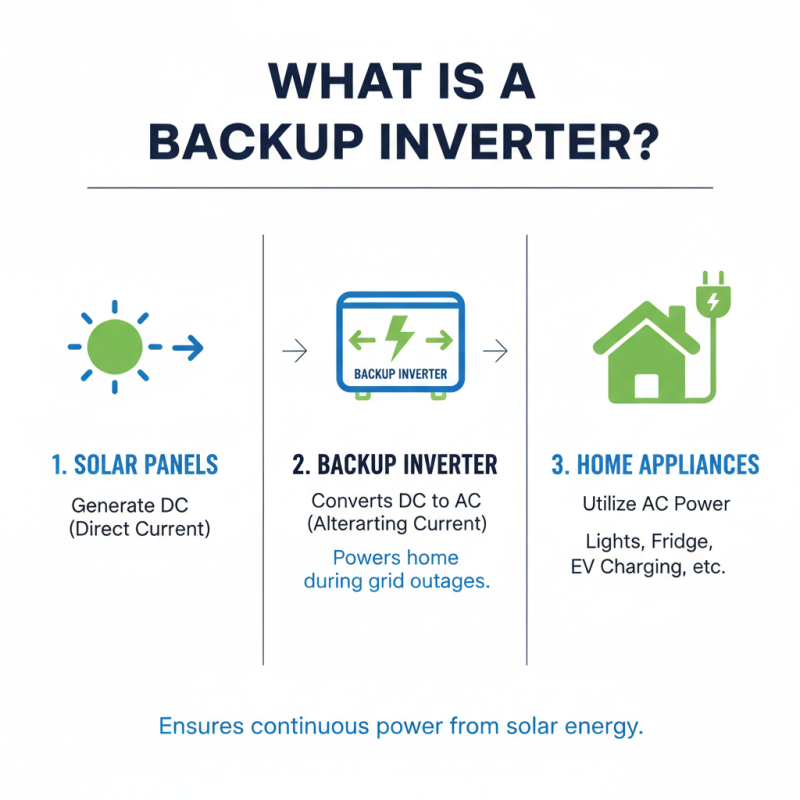
A backup inverter is a crucial component of a solar power system. It converts direct current (DC) from solar panels into alternating current (AC) usable by household appliances. This technology allows homeowners to utilize solar energy effectively, even when the grid is down.
When the power goes out, the backup inverter automatically takes over. It ensures that essential devices continue to receive power. For instance, refrigerators and lights can stay on during an outage. This automatic switch can provide peace of mind, especially during severe weather events.
However, backup inverters can have limitations. They typically have a limited power output, which means not all devices can run simultaneously. Some users may find it challenging to calculate their energy needs effectively. Additionally, installing a backup inverter may require professional expertise, adding to the overall cost. It's essential for homeowners to assess their energy consumption and choose the right inverter for their needs.
The Functionality of Backup Inverters
Backup inverters play a crucial role in maintaining power supply during outages. They convert DC electricity from batteries into AC power, which is suitable for most home appliances. This process ensures that essential devices remain operational, even when the grid goes down.
The functionality of backup inverters hinges on their ability to automatically detect power disruptions. Once a blackout occurs, the inverter switches on and begins to supply power. This quick response time can be the difference between uninterrupted service and frustrating downtime. However, not all inverters function equally. Some may require manual setups, which can be complex and time-consuming.
In addition, it's important to consider maintenance needs. A backup inverter without regular checks can fail when you need it most. Users often overlook this, leading to avoidable power failures. While they provide invaluable support, backup inverters must be chosen wisely. Take the time to understand your specific needs and ensure that your backup system is reliable.
Components of a Backup Inverter System
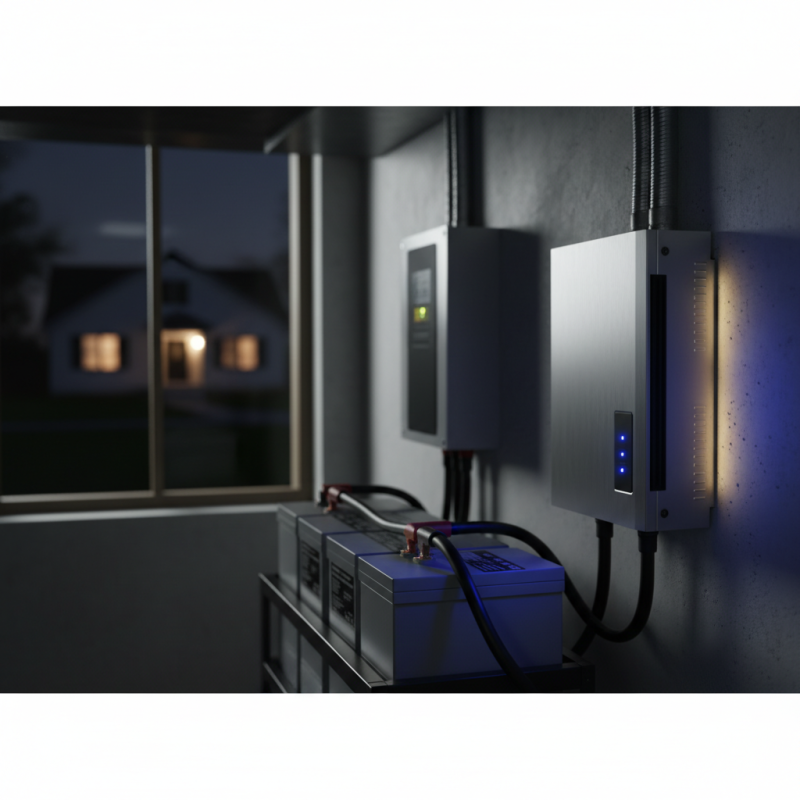
A backup inverter system is essential for managing energy during an outage. It converts direct current (DC) from batteries into alternating current (AC) for home appliances. Understanding its components helps in making informed decisions about energy management.
At the heart of the system is the inverter itself. It processes and distributes power efficiently. A battery bank stores energy for later use. These batteries must be compatible with the inverter for optimal performance. Proper connection is vital to prevent losses. Charge controllers ensure batteries remain at the correct voltage. They prevent overcharging and can prolong battery life significantly.
Wiring plays a crucial role in the backup inverter system. It connects various components and needs to be of high quality. Poor wiring can lead to power losses and potential safety hazards. Monitoring systems track performance and help users understand energy consumption. These systems provide valuable insights, but they can be complex. Regular maintenance is necessary, yet often overlooked. Understanding these components and their functions creates a more reliable backup system. Proper reflection on these elements can enhance overall efficiency and dependability.
Backup Inverter System Components
This bar chart illustrates the importance of various components in a backup inverter system. The inverter holds the highest significance, while the charger is the least important in terms of system functionality.
How Backup Inverters Operate During Power Outages
When a power outage occurs, many people rely on backup inverters to keep their critical systems running. These devices convert direct current (DC) from batteries into alternating current (AC) for household appliances. They serve as a bridge between stored energy and everyday power needs. Understanding how backup inverters work is essential for managing energy efficiently during outages.
During a power failure, backup inverters automatically kick into action. They detect when the grid goes down and switch to battery power. This process happens quickly, minimizing disruption. The inverter’s control system manages the energy supply to prevent overloads. This ensures that vital equipment, such as refrigerators and medical devices, continue to operate during emergencies.
However, not all backup inverters function perfectly. Some users report delays in switching over to battery power. Others may experience issues with battery management. It's crucial to regularly maintain and test the system to identify potential problems. Reflecting on these challenges can help users better prepare for outages. Understanding the limitations of backup inverters leads to more informed decisions when selecting the right system for one’s needs.
Advantages of Using a Backup Inverter for Energy Security
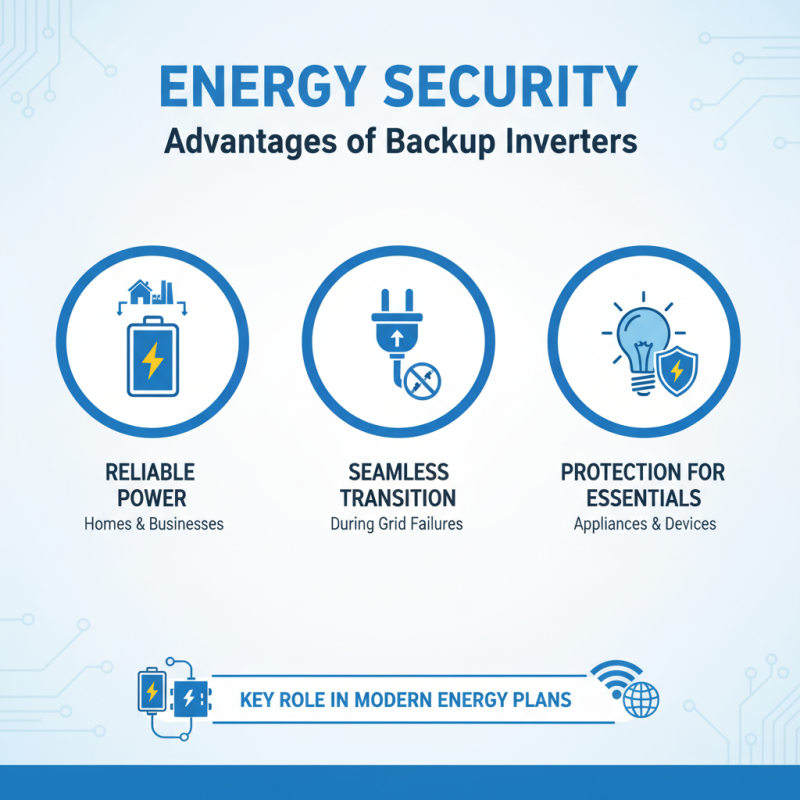
Backup inverters play a crucial role in energy security, especially during power outages. These devices convert stored energy from batteries into usable electricity. They provide a reliable power source for essential appliances when the grid fails. The advantages of using a backup inverter are significant, both for homes and businesses.
One key benefit is continuous power supply. With a backup inverter, critical systems remain operational. For instance, refrigerators, medical devices, and security systems can function without interruption. This not only enhances safety but also protects valuable investments. Energy security brings peace of mind, knowing that you are prepared for unpredictable situations.
**Tip:** Regularly check the battery's health in your backup inverter system. Well-maintained batteries last longer and perform better.
Another advantage is flexibility. Backup inverters can be integrated with solar panels and other renewable sources. This allows users to harness clean energy for backup purposes. Such systems are environmentally friendly and can reduce overall energy costs. It is essential to choose a system that suits your specific energy needs.
**Tip:** Keep a log of your energy use. This can help you choose the right size of the inverter and batteries.
Backup inverters offer a practical solution to energy security challenges. Their ability to provide uninterrupted power is invaluable in today's world.