Best Photovoltaic Inverter Options for Global Buyers in 2026?
As the demand for renewable energy surges, the importance of a reliable Photovoltaic Inverter cannot be overstated. Dr. Emily Wang, a leading expert in solar technology, once noted, "A robust inverter is the backbone of any solar system." As we approach 2026, global buyers are presented with numerous choices in Photovoltaic Inverter technology, each offering unique features and efficiencies.
Inverters are essential for converting the direct current from solar panels into alternating current for household use. With advancements in technology, modern inverters boast improved efficiency, integrated monitoring systems, and greater resilience against harsh conditions. However, with this variety comes the challenge of selecting the best option. Not all inverters meet the stringent performance standards that discerning buyers require.
In an evolving market, understanding the specific needs of diverse applications is crucial. The ideal Photovoltaic Inverter should align with installation size, location, and energy demands. Buyers must critically evaluate specifications and warranties. Some inverters may present challenges in compatibility or maintenance. Being well-informed will lead to smarter investments in sustainable energy solutions.
Global Market Overview of Photovoltaic Inverters in 2026
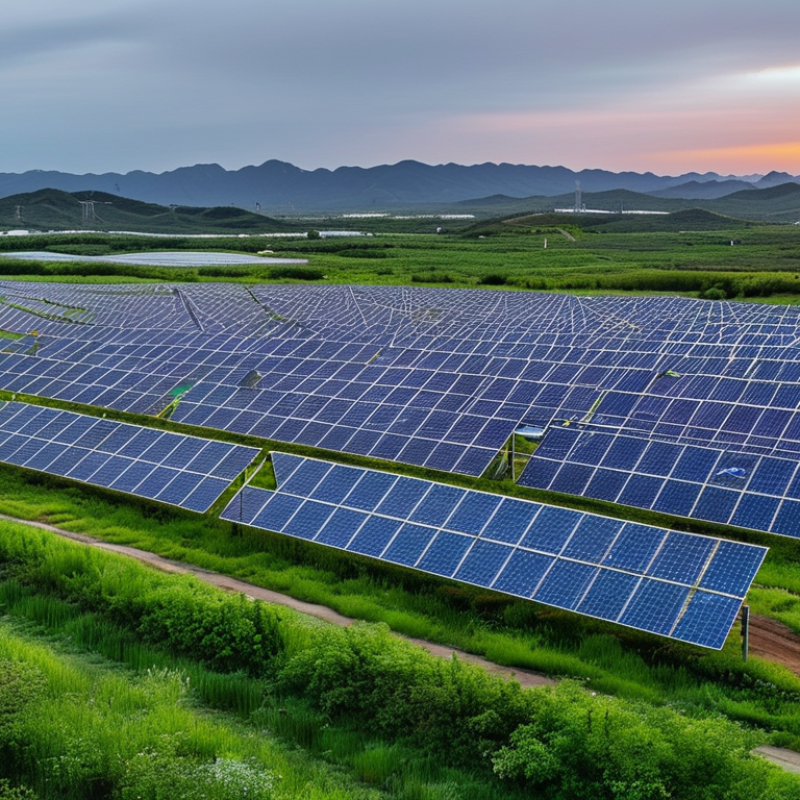
As we look ahead to 2026, the global market for photovoltaic inverters is expected to continue its upward trajectory. The rise of renewable energy adoption plays a significant role. Many countries are setting ambitious targets for carbon emissions. This has created an increasing demand for efficient energy systems. Photovoltaic inverters are crucial for converting solar power into usable energy. They enhance system performance and reliability, making them a vital component of solar setups.
A variety of technologies and designs are emerging in the inverter market. String inverters dominate due to their cost-effectiveness and simplicity. However, microinverters are gaining traction. They provide better performance in shaded conditions. Optimizers are also becoming popular, as they enhance energy yield. Prospective buyers should assess specific needs before choosing an inverter solution. This decision isn't straightforward. Factors like installation conditions and energy requirements must be considered.
The future also poses challenges. Rapid technological advancements lead to frequent innovations. Buyers may find it hard to keep up with the latest developments. Additionally, as competition increases, prices may fluctuate. Understanding market dynamics can prove difficult for consumers. They need reliable resources to navigate these changes. Overall, the photovoltaic inverter market in 2026 is poised for growth, but it requires informed decision-making to optimize outcomes.
Key Technological Innovations Shaping Inverter Performance
The landscape of photovoltaic inverters is evolving rapidly. Key technological innovations are enhancing inverter performance significantly. One major development is the integration of advanced algorithms. These algorithms optimize energy conversion efficiency. They respond quickly to changes in sunlight intensity. This maximizes energy output, especially during peak hours.
Another innovation is the shift towards modular designs. Modular inverters are more flexible and scalable. They allow easier maintenance and can be upgraded with minimal hassle. This scalability makes them suitable for both small-scale and large-scale installations. Long-term reliability is also a focus. Innovations in heat management lead to improved durability.
Tips: When selecting an inverter, consider your future energy needs. Think about potential expansions. It’s also wise to check the inverter's warranty and customer support. Research reviews from current users. This can provide insights into real-world performance and reliability. Be critical about varying efficiency rates across different conditions. Not all inverters perform similarly in every environment.
Efficiency Ratings: What Buyers Should Look for in 2026 Models
When considering photovoltaic inverters for 2026, efficiency ratings are crucial. Buyers should pay attention to the inverter's performance metrics. Look for models with a high conversion efficiency. Typically, the best options fall between 97% and 99%. Lower losses mean more energy converted from sunlight. This directly impacts overall savings.
Another aspect to evaluate is the temperature coefficient. Inverters operate less efficiently in high temperatures. A lower coefficient leads to better performance in hotter climates. This detail can significantly affect energy output over time. Durability also matters; look for models that handle different weather conditions.
Reliability should not be overlooked. Inverters can fail, leading to costly repairs. Buyers need to consider warranties offered by manufacturers. A lengthy warranty may indicate confidence in the product's longevity. Not all brands provide equal support, so research is essential. Reflecting on these factors can guide buyers toward smarter choices.
Best Photovoltaic Inverter Efficiency Ratings for 2026
Comparative Analysis of Leading Brands in Photovoltaic Inverters
In the evolving landscape of photovoltaic technology, a comparative analysis of leading inverter brands reveals significant insights for global buyers in 2026. A study by the International Energy Agency (IEA) predicts that the global demand for photovoltaic inverters will grow by 15% annually. This growth is driven by the increasing adoption of solar energy and the need for efficient energy conversion systems. Inverters play a crucial role in optimizing solar energy output. Their efficiency often ranges between 95% to 98%, directly impacting system performance.
Recent market reports indicate that reliability remains a top concern for consumers. Over 20% of surveyed users experienced issues within the first five years of operation. This statistic highlights the importance of robust testing and quality assurance processes. Buyers are encouraged to prioritize performance data and warranty terms. Some products offer warranties extending up to 12 years, a reflection of the manufacturer's confidence in their technology.
Energy yield is another critical factor. According to estimates from Greentech Media, inverters can account for 30% of a solar system's energy loss. This sheds light on the necessity for rigorous comparison of inverter specifications. Simple metrics, such as peak efficiency and operational temperature range, can influence long-term performance. Buyers must recognize that not all inverters are created equal. Investing in superior technology may yield increased energy production over time.
Cost-Benefit Analysis: Investment and ROI for Global Buyers in 2026
As the global demand for renewable energy rises, photovoltaic inverters play a crucial role. In 2026, understanding their investment potential and ROI is essential for buyers. A recent study reveals that the solar inverter market is projected to grow at a CAGR of 20% from 2023 to 2028. This growth reflects increased solar installations worldwide.
When evaluating costs, consider the lifespan of photovoltaic inverters. Many models last over 10 years, with warranties often extending to 25 years. The initial investment, although significant, can lead to savings on electricity bills. A common ROI for solar investments sits around 15%-20%, depending on local incentives and energy prices.
Tips: Don't overlook maintenance costs. Regular checks can prolong inverter life. Research local incentives and rebates. These can greatly enhance your ROI. Display the long-term financial benefits clearly. This will aid in the decision-making process. Remember, the choice of inverter impacts overall system efficiency. An ill-informed decision can affect your returns significantly.