Best Power Inverter DC AC Options for Global Buyers?
The demand for power inverters has surged globally, driven by the increased reliance on portable electronics and renewable energy sources. Power inverter DC AC systems allow users to convert direct current (DC) from batteries or solar panels into alternating current (AC), enabling them to power various appliances. According to a recent market report, the power inverter market is projected to grow at a CAGR of 15.8% from 2022 to 2030, highlighting its significance.
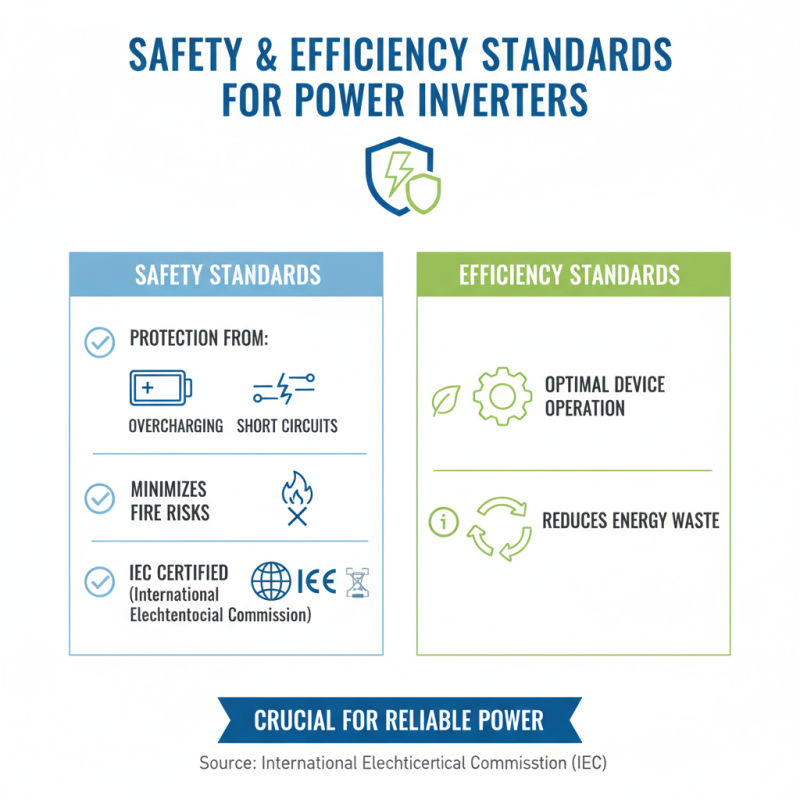
Industry experts emphasize that selecting the right power inverter DC AC is crucial for performance and safety. Consumers must consider factors such as wattage capacity, efficiency rating, and safety features. For instance, high-quality inverters often feature overload protection and thermal shutdown capabilities, ensuring longevity and user safety. However, many buyers overlook these aspects, leading to potential failures and safety hazards.
As the market evolves, understanding the latest technologies becomes essential. Some inverters now include advanced features like USB ports and smartphone connectivity, enhancing user convenience. Nevertheless, not all inverters deliver on their promises. It's vital for buyers to conduct thorough research and read customer reviews before making a purchase. Striking a balance between cost, efficiency, and reliability can be challenging but is essential for achieving optimal performance.

Understanding Power Inverters: DC to AC Conversion Basics
Power inverters play a crucial role in converting direct current (DC) to alternating current (AC). This conversion is essential for powering various devices that rely on AC power. Understanding how power inverters work helps users make informed choices. A basic inverter consists of a circuit that switches the DC supply rapidly to create an AC waveform. This inversion process enables different applications, from RVs to solar power systems, enhancing versatility in energy use.
When selecting a power inverter, consider factors like capacity and efficiency. Users should assess their power needs based on devices to run. A common mistake is underestimating power requirements, leading to potential device failure. Beyond efficiency, the inverter's quality matters. It's vital to look for reliable safety features, such as overload protection. Users often overlook these aspects, which can result in hazards.
The installation of a power inverter also demands attention. Proper wiring and suitable connections ensure optimal performance. Inadequate setups can cause inefficiencies or even damage. Many users might rush this phase, assuming anything will work. However, it’s essential to approach this task with care, as a poorly installed inverter can lead to more significant issues down the line.
Types of Power Inverters: Modified Sine Wave vs. Pure Sine Wave
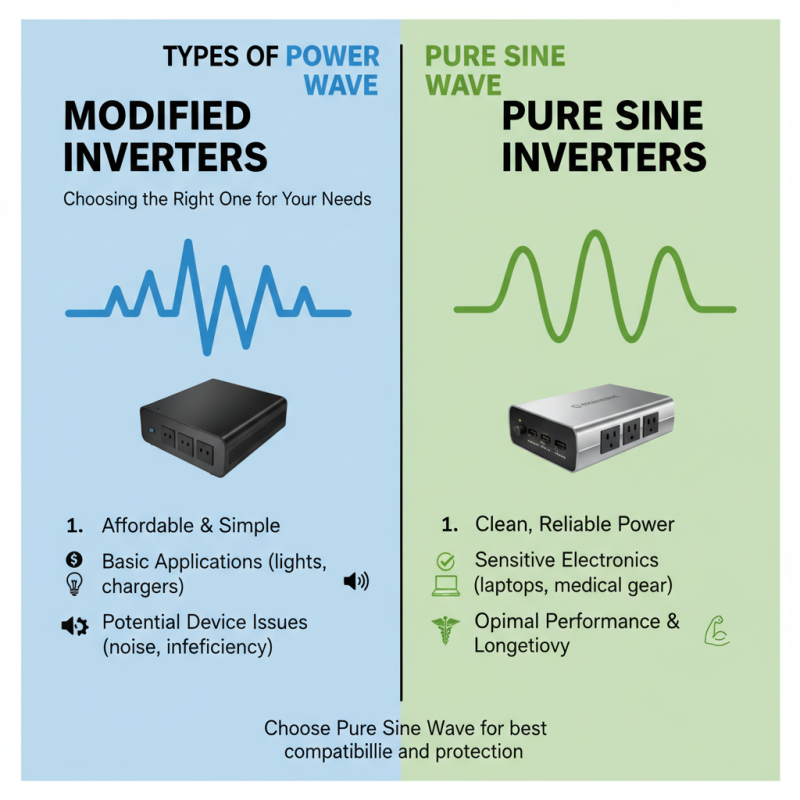
When choosing a power inverter, understanding the difference between modified sine wave and pure sine wave is essential. Modified sine wave inverters are often more affordable and simpler in design. They work well for basic applications like charging batteries or running small appliances. However, they may cause some devices to operate less efficiently. Some electronics might produce noise or even malfunction when powered by modified sine wave inverters.
On the other hand, pure sine wave inverters provide a smoother electrical output. This makes them the preferred choice for sensitive electronics such as laptops, microwaves, and medical equipment. They ensure better performance and prolonged lifespan of devices. While they are generally more expensive, the reliability they offer can justify the investment, especially for users who rely heavily on quality power supply.
**Tip:** Consider your devices when choosing an inverter. If you use sensitive equipment, opt for a pure sine wave model. It’s also wise to check the wattage requirements of your appliances. Planning ahead can save you from frustration later on.
Key Features to Consider When Choosing a Power Inverter
When choosing a power inverter, several key features should be at the forefront of your decision-making. One important factor is the inverter's wattage capacity. For instance, a small setup may only require 300 watts, while a larger one could need over 2000 watts. According to industry studies, understanding your wattage needs is crucial. Misjudging this can lead to insufficient power or damage to your devices.
Another critical element involves the inverter's waveform type. Pure sine wave inverters are typically more efficient and safer for sensitive electronics. A study by Energy.gov highlights that these inverters can reduce the risk of device failure. Additionally, consider the inverter’s efficiency rating. This measures how much of the input energy gets converted to output. High-efficiency models can save energy in the long run.
Tips: Always check the inverter’s thermal management system. An effective cooling mechanism ensures longevity and optimal performance. It's also wise to read user reviews for real-life insights. This feedback can often reveal hidden issues not covered in product specifications. Lastly, pay attention to the inverter’s safety features, like short circuit protection, to avoid unforeseen accidents.
Best Power Inverter DC AC Options for Global Buyers
This chart displays the efficiency of various power inverter options rated at different wattages. Efficiency is a critical factor to consider when selecting a power inverter, as it indicates how well the inverter converts DC power to AC power with minimal losses.
Top Power Inverter Brands for Global Consumers
When selecting a power inverter, it's crucial to understand the leading brands that cater to global consumers. Industry reports highlight that the inverter market is expected to grow significantly, reaching over $15 billion by 2027. This growth is largely driven by the rising demand for renewable energy solutions and portable power systems. Consumers are increasingly looking for efficiency and reliability in these devices.
Top brands in the sector focus on quality and performance. Reliable data indicates that inverters with pure sine wave outputs are preferred for sensitive electronics. This preference stems from the need for electrical equipment to operate smoothly without inconsistencies. A report by the International Energy Agency states that power inverters can improve energy efficiency by up to 30%. However, not all products meet these high standards, and consumers need to check specifications carefully.
It's worth noting that despite advancements, some inverters may still have limitations. Performance may vary based on factors like temperature, humidity, and load capacity. A lack of proper user guidance can lead to misuse, impacting the inverter's lifespan. Consumer feedback often points to discrepancies in advertised versus actual performance. This highlights the importance of thorough research before making a purchase. Understanding customer reviews and warranty terms is essential for informed decision-making.