What is a Breaker Switch and How Does It Work in Electrical Systems?
In the world of electrical systems, the "Breaker Switch" plays a crucial role in ensuring safety and reliability. Renowned electrical engineer Dr. Samuel Collins highlights its importance by stating, "A Breaker Switch is the first line of defense in protecting both equipment and individuals from electrical hazards." This statement underscores the pivotal function that breaker switches serve, acting as devices that interrupt the electrical current in case of overload or fault conditions.
As we delve into the mechanics of breaker switches, it becomes evident that their design and operation are intricately linked to the effectiveness of electrical systems. These switches not only safeguard against potential electrical fires and equipment damage but also contribute significantly to the overall efficiency of power distribution. Understanding how a Breaker Switch works is essential for anyone involved in electrical installation and maintenance, as it equips them with the knowledge to prevent accidents and ensure optimal performance in electrical systems.
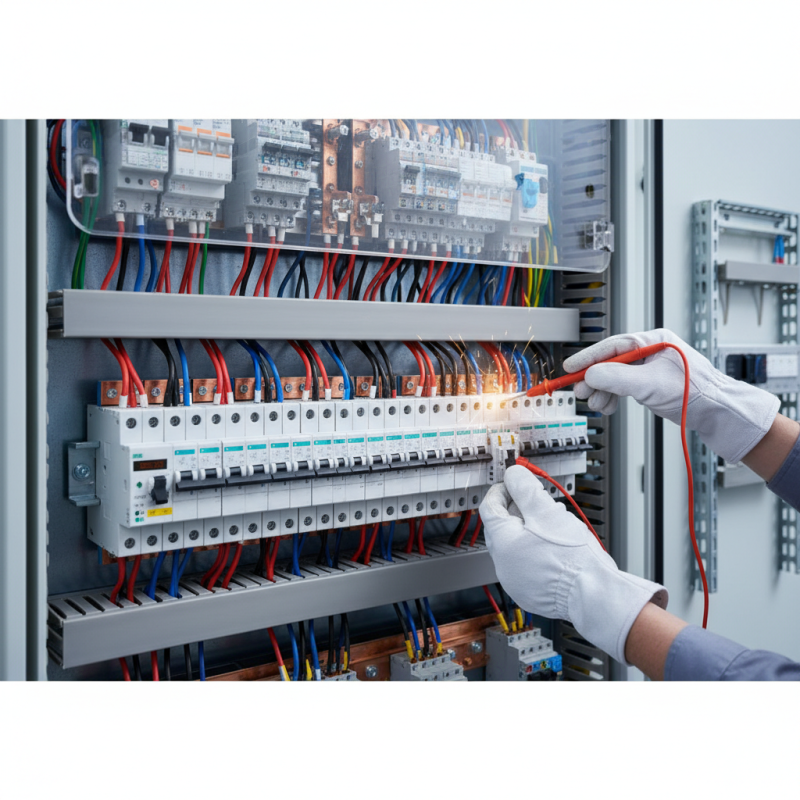
Definition of a Breaker Switch in Electrical Systems
A breaker switch, also known as a circuit breaker, is a crucial component in electrical systems, primarily designed to protect electrical circuits from damage caused by overloads or short circuits. By automatically disconnecting the electrical flow when it detects an abnormal condition, a breaker switch helps prevent potential hazards, including electrical fires and equipment damage. The National Fire Protection Association (NFPA) reports that electrical failures are responsible for approximately 25% of home fires, highlighting the importance of reliable circuit protection.
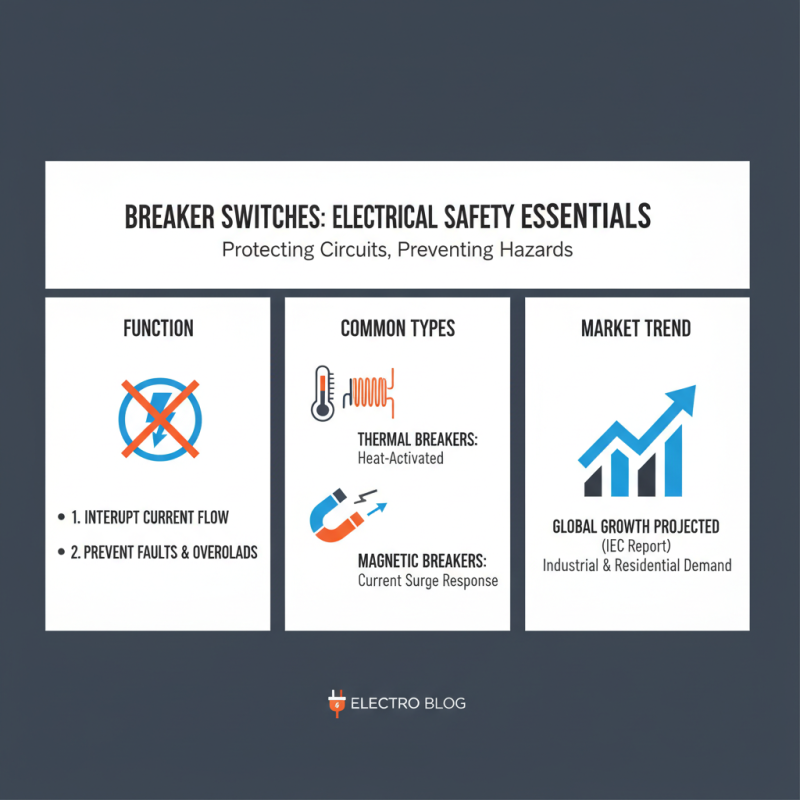
These devices come in various types, including thermal, magnetic, and multifunctional breakers, each serving specific applications within residential and commercial settings. For instance, thermal breakers are commonly used in household wiring due to their reliability and low cost, while magnetic breakers are preferred in industrial applications for their rapid response to overloads. According to the International Electrotechnical Commission (IEC), the global market for circuit breakers is projected to reach over $12 billion by 2025, driven by increasing safety regulations and advancements in technology.
Tips: Regularly inspecting your breaker switches can help ensure that they are functioning correctly. Look for any signs of wear or damage, such as scorch marks or tripped breakers that do not reset. Additionally, understanding the capacity and specifications of your breaker can prevent overloading and extend the lifespan of your electrical system. Consider consulting with a licensed electrician to evaluate and upgrade your electric panels if necessary.
Breaker Switch Usage in Residential Electrical Systems
This bar chart illustrates the usage percentage of different types of breaker switches in residential electrical systems, demonstrating the preferences for various breaker functionalities in maintaining electrical safety and efficiency.
Types of Breaker Switches and Their Applications
Breaker switches are essential components in electrical systems, serving as safety devices that interrupt the flow of current in the event of a fault, overload, or short circuit. There are several types of breaker switches, each designed for specific applications. The most common types include thermal circuit breakers, which use heat to operate, and magnetic circuit breakers, which respond to sudden increases in current. According to a report from the International Electrotechnical Commission, the global circuit breaker market is projected to grow substantially, reflecting the increasing importance of these devices in industrial and residential applications.
Different environments require distinct types of breaker switches. For instance, miniature circuit breakers (MCBs) are typically used in residential settings due to their compact size and reliability, while air circuit breakers (ACBs) are more suitable for high-power industrial applications. Additionally, Earth Leakage Circuit Breakers (ELCBs) provide crucial protection against electric shocks by detecting earth faults. The growing emphasis on safety in electrical installations is pushing manufacturers to innovate, reinforcing the adoption of various breaker systems across different sectors.
Tip: When selecting a breaker switch, consider the specific load requirements and the environment it will operate in. Always consult with a certified electrician to ensure you choose the right type for your needs. Another tip is to regularly test your circuit breakers to ensure they function properly, as this can prevent potential hazards and maintain the safety of your electrical systems.
How a Breaker Switch Operates in Circuit Protection
A breaker switch is a crucial component in electrical systems, providing essential protection by interrupting the flow of electricity in case of faults. This operational mechanism prevents overheating, electrical fires, and equipment damage, making it paramount for safety in residential and commercial installations. When an overload or short circuit occurs, the breaker switch detects the abnormal current flow and trips, cutting off electricity almost instantaneously—typically within a fraction of a second, according to industry reports from the National Electrical Manufacturers Association (NEMA).
The design of a breaker switch is engineered for reliability and efficiency. Most modern breakers utilize an electromechanical mechanism that reacts to the current levels in the circuit. When the current exceeds its rated capacity, the switch's internal components, often a bimetallic strip or an electromagnet, actuate to disconnect the circuit. This simple yet effective design not only secures the electrical system but also minimizes the risk of extensive damage. Data from the U.S. Fire Administration indicates that electrical failures account for nearly 8% of residential fires, emphasizing the importance of reliable circuit protection.
**Tip:** Regularly inspecting breaker switches can help identify signs of wear or malfunction. Look for any discoloration or unusual noises, as these can be indicators of a potential failure that needs immediate attention.
**Tip:** Always ensure that the breaker switch is correctly rated for the intended load to maintain safety and efficiency. Oversized or undersized breakers may fail to protect the circuit adequately, leading to hazardous conditions.
What is a Breaker Switch and How Does It Work in Electrical Systems?
| Feature |
Description |
| Function |
Protects electrical circuits from overloads and short circuits by interrupting the flow of electricity. |
| Types |
Thermal, Magnetic, and Dual Function (combination of both). |
| Operation Mechanism |
Detects excess current and triggers a mechanism to open the circuit, stopping the flow of electricity. |
| Resetting |
Most breaker switches can be manually reset after tripping, restoring power to the circuit. |
| Common Applications |
Used in residential, commercial, and industrial electrical systems for circuit protection. |
| Advantages |
Reusable, easy to reset, and typically include indicators for better fault monitoring. |
Installation Process for Breaker Switches in Electrical Panels
Installing a breaker switch in electrical panels is a critical task that ensures the safety and efficiency of your electrical system. The process typically begins with the power being turned off at the main electrical service panel to prevent any accidental shocks. Safety gear, such as insulated gloves and eye protection, should be worn during this process. Once the power is off, the panel cover can be removed, revealing the inner components.
Next, you will need to carefully remove any existing circuit breakers if necessary. Once the old breakers are removed, the new breaker switch can be installed by aligning it with the bus bars and securing it firmly in place. After ensuring a proper fit, reconnect any necessary wires to the breaker. Finally, replace the panel cover and switch the power back on to test the new installation.
Tips: Always double-check that the power is indeed off before beginning the installation. It’s also advisable to label the wires clearly to avoid confusion during reassembly. If you’re unsure about any step in the installation process, consider consulting a professional electrician to avoid potential hazards.
Common Issues and Maintenance Tips for Breaker Switches
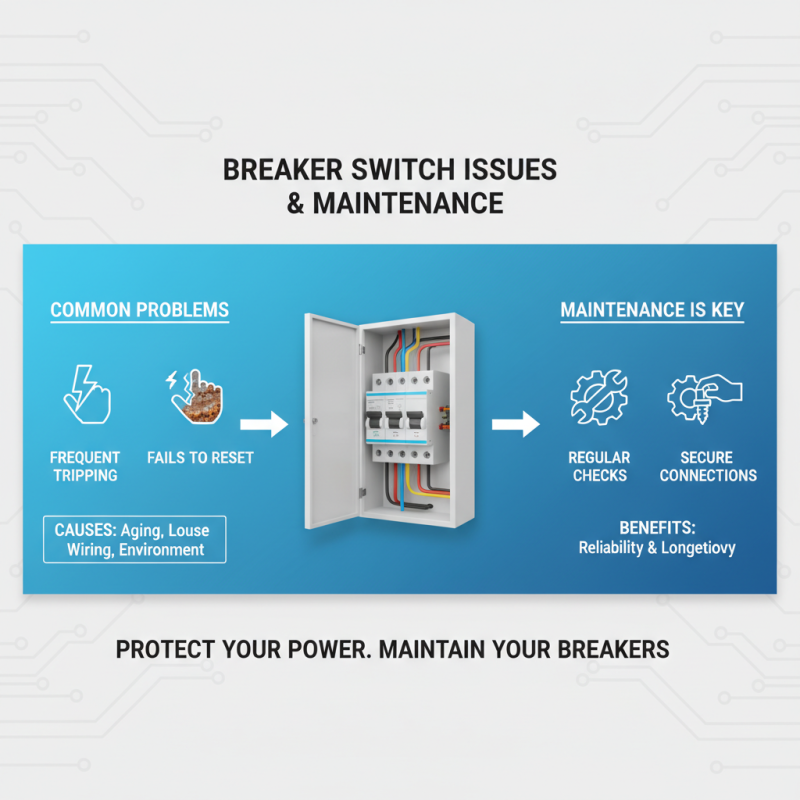
Breaker switches play an essential role in electrical systems by automatically disconnecting power in the event of an overload or short circuit. However, like any electrical component, they can encounter issues over time. Common problems include tripping frequently, failing to reset, or showing signs of corrosion. These can stem from various factors, such as aging infrastructure, loose wiring, or environmental conditions. Regular maintenance is crucial to ensure the reliability and longevity of breaker switches.
To maintain your breaker switches and prevent common issues, it's important to perform periodic checks. One valuable tip is to inspect the switch for any physical damage or signs of wear. If the breaker trips frequently, ensure that there are no overloaded circuits and that all connections are tight. Additionally, cleaning the terminals can help reduce the risk of corrosion, which can inhibit performance. Implementing a schedule for routine checks can also help identify potential problems before they escalate.
Another approach for maintaining breaker switches is to consider the electrical load they manage. It's advisable to avoid connecting too many high-wattage devices to a single circuit, as this can lead to overheating. Using an ammeter to monitor the current load can be a proactive way to ensure that breakers are not at risk of tripping due to excessive demand. By staying vigilant and addressing issues promptly, you can extend the lifespan of your breaker switches and maintain a safe electrical system.