China Best Electric Inverter Options for Efficient Power Conversion?
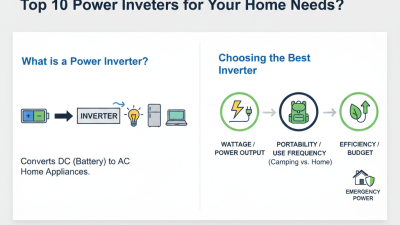
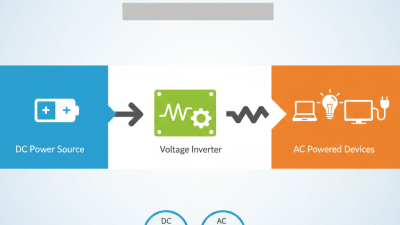
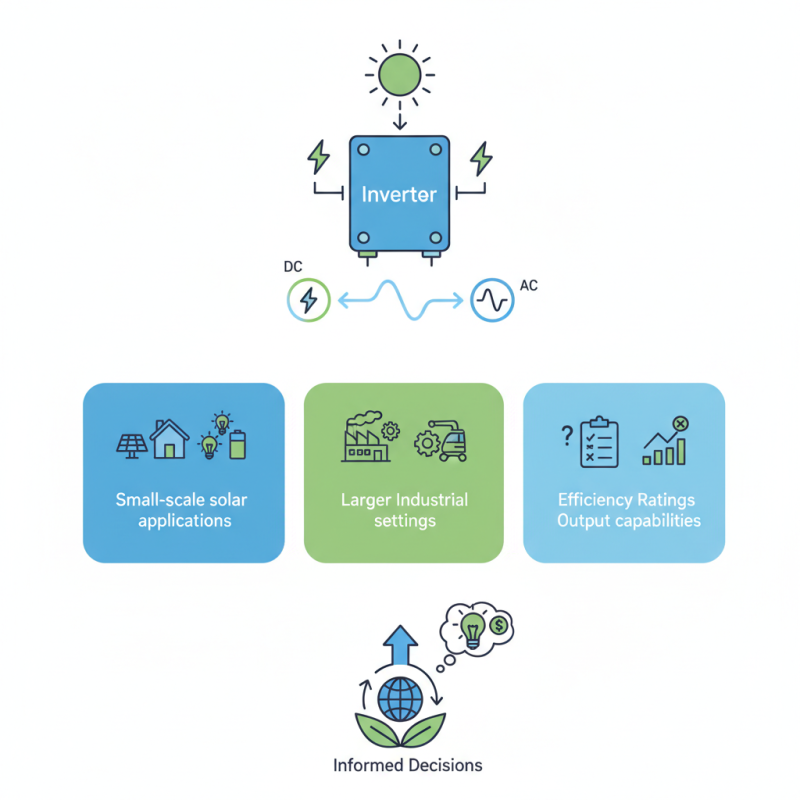
When considering efficient power conversion, the electric inverter plays a crucial role. These devices transform direct current (DC) into alternating current (AC), making them essential for renewable energy systems and appliances. Choosing the right electric inverter can significantly influence performance and energy efficiency.
China offers a variety of electric inverter options that cater to different needs. From small-scale solar applications to larger industrial settings, there is a solution for everyone. Some products stand out due to their reliability and user-friendly features. However, with the abundance of choices, it can be challenging to determine which models are truly the best.
It's important to critically assess the performance of each electric inverter. Users often overlook crucial specifications, such as efficiency ratings and output capabilities. Understanding these factors can prevent costly mistakes. As demand for sustainable energy solutions grows, making informed decisions about electric inverters becomes more vital than ever.
Overview of Electric Inverters in China
Electric inverters play a crucial role in the power generation landscape in China. These devices convert direct current (DC) to alternating current (AC), facilitating efficient power usage. With the rise of renewable energy sources like solar and wind, inverters have become increasingly essential. They optimize energy flow and ensure stable power quality. This technology enables homeowners and businesses to harness natural energy efficiently.
Various options are available in the Chinese market, reflecting diverse needs. Users can choose from grid-tied, off-grid, and hybrid inverters tailored to specific applications.
Grid-tied inverters seamlessly integrate with the power grid, allowing for net metering. Off-grid models are perfect for rural areas without stable electricity access. However, finding the right inverter can be a challenge. Potential users should consider factors like efficiency ratings and compatibility with existing systems.
Despite the growing availability of options, the inverter market also faces concerns. Many products may lack necessary certifications, affecting reliability. Inconsistent performance can be encountered, leading to power loss. It is vital for consumers to research and compare products to make informed decisions. Continuous advancements in inverter technology promise improved performance and sustainability in the future.
Key Features of Efficient Electric Inverters
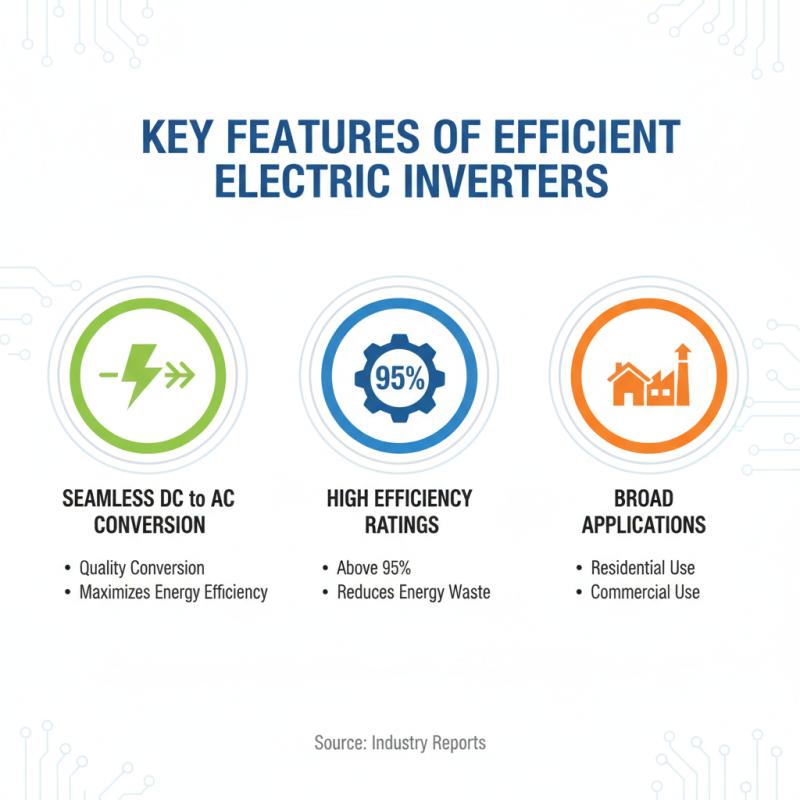
When searching for efficient electric inverters, it’s essential to understand their key features. Quality inverters convert DC to AC power seamlessly, maximizing energy efficiency. According to industry reports, modern inverters can achieve efficiency ratings above 95%. This level of efficiency reduces energy waste, which is vital for both residential and commercial applications.
A crucial aspect is the inverter's ability to manage loads. Many advanced inverters offer load management features. They can prioritize power distribution, ensuring essential devices receive energy first. This capability is particularly important during peak usage times. Moreover, technological advancements have led to robust protections against overloads and short circuits, increasing reliability.
When choosing an inverter, consider the operating temperature range. Higher temperatures can reduce efficiency and lifespan. Regular maintenance is also key. Neglecting routine checks can result in unexpected failures.
Tip: Ensure that your inverter includes remote monitoring capabilities. This feature allows users to oversee performance in real-time. In emergencies, immediate alerts can significantly mitigate risks.
Top Brands for Electric Inverters in China
In the realm of electric inverters, China boasts a dynamic market filled with innovative solutions. Efficiency in power conversion is paramount. Reports indicate that the electric inverter market in China is projected to grow at a compound annual growth rate of 8.2% between 2021 and 2026. This growth highlights the demand for reliable power management solutions.
Several brands stand out in the competitive landscape. They focus on high efficiency and durability. Advanced technology helps achieve conversion efficiencies above 95%. This efficiency not only saves energy but also reduces operating costs. However, not all brands deliver the same level of performance. Consumer feedback often reveals inconsistent experiences with product longevity and service quality from various manufacturers.
Tip: When selecting an inverter, consider the warranty and customer service offered. Clear return policies are essential. It's crucial to assess your power needs accurately. Oversizing an inverter might lead to unnecessary expenses, while undersizing can cause operational issues. Always research before making a commitment. Personal experiences and reviews are invaluable. Use them to guide your decisions.
Comparative Analysis of Performance and Cost
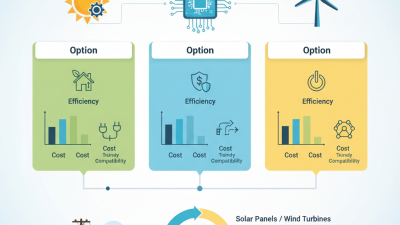
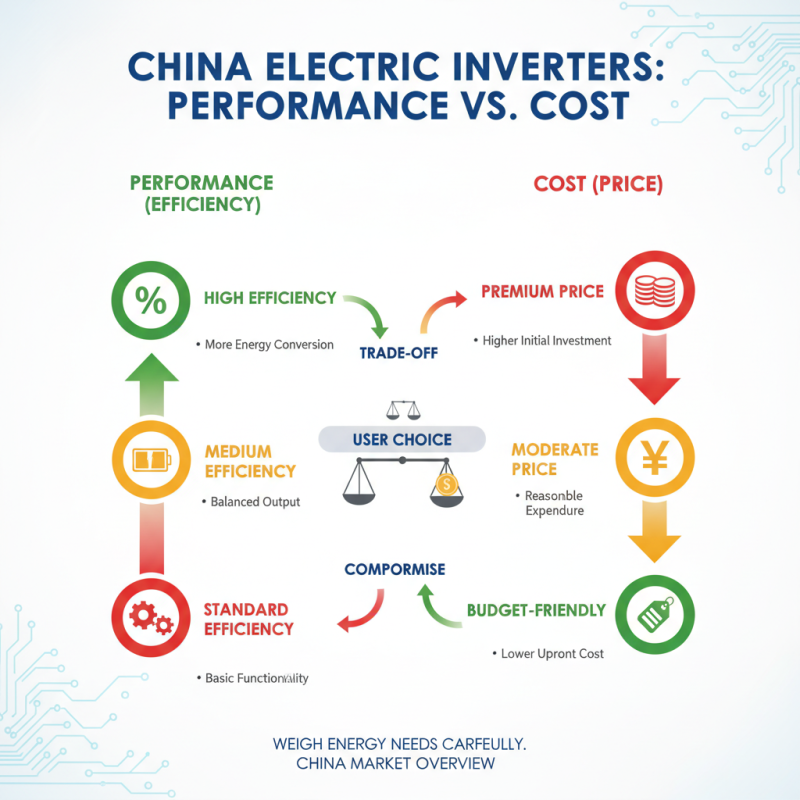
When exploring electric inverters in China, efficiency and cost are crucial factors. A variety of options exist, each with unique performance metrics. High-efficiency models can often convert more energy, but they also come at a premium price. Users must weigh these factors carefully based on their energy needs.
Performance is measured in several ways. One key metric is the inverter's total harmonic distortion (THD), which impacts power quality. Lower THD usually means better efficiency. For domestic use, inverters with 3% THD or less are ideal. However, such sensitive devices might not always yield the best cost efficiency for every user.
Cost analysis reveals a broad range. Some basic models can be affordable, yet they may have lower efficiency ratings. A premium inverter, while more expensive upfront, could save money in the long run on electricity bills. Understanding these dynamics is essential, as the best choice often varies between users with different energy demands and budgets. Reflecting on each option can lead to more informed decisions in the long term.
Future Trends in Electric Inverter Technology
Electric inverters play a crucial role in power conversion, especially in renewable energy systems. As technology evolves, the future of inverters looks promising. New designs focus on improving efficiency and reducing size. This shift allows for better integration with solar panels and battery storage systems. The emerging trend is the push toward smart inverters. These devices can communicate with the grid, enhancing energy management.
Advanced materials and technologies are reshaping inverter construction. For instance, wide-bandgap semiconductors elevate performance while minimizing energy loss. Manufacturers are exploring artificial intelligence. AI can optimize inverter functions based on real-time data. However, challenges remain in terms of costs and compatibility. Many users report frustration with installation complexities. Ease of use must improve for broader adoption.
Sustainability is a growing concern. Future inverters must be environmentally friendly. This includes using recyclable materials in their production. There are also challenges related to heat dissipation and long-term reliability. Users often worry about system longevity. Balancing performance, durability, and cost will be essential. The path of innovation in inverter technology is not without its hurdles.