Why You Should Choose a Power Inverter DC AC for Your Energy Needs?
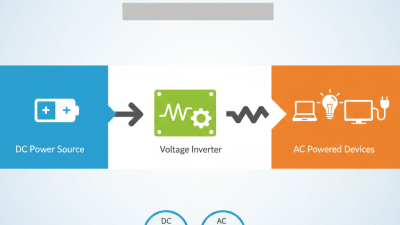
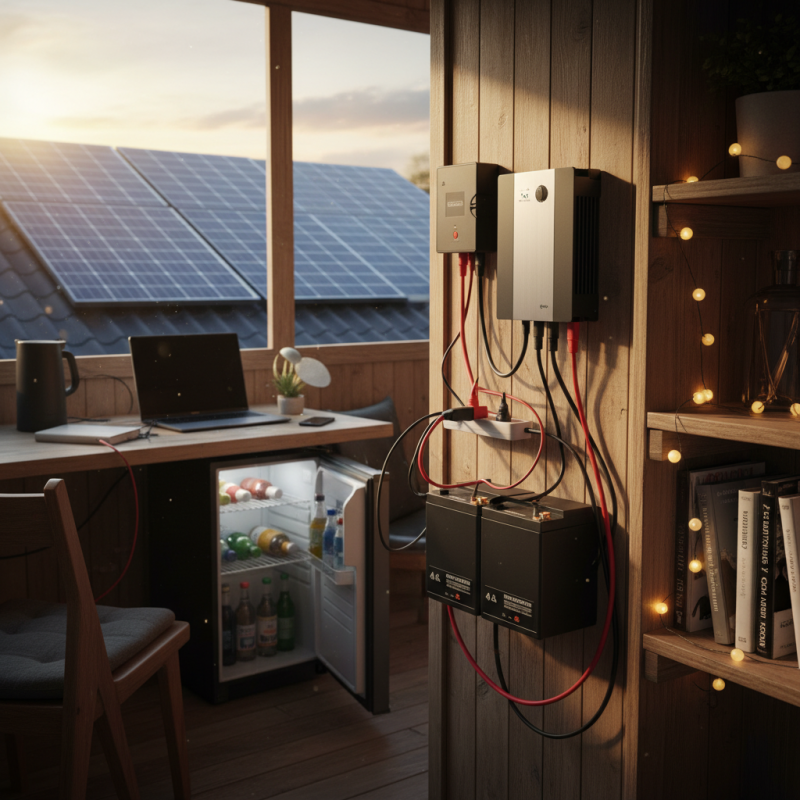
When considering energy needs, a Power Inverter DC AC should be on your radar. This device converts direct current (DC) to alternating current (AC). This conversion allows you to power household appliances using batteries or solar panels. Many people overlook its importance. They may not realize how essential it is for energy independence.
A Power Inverter DC AC offers flexibility. Imagine camping with friends, running your fridge while off the grid. Or picture a power outage. With the right setup, your inverter provides backup energy. But not every inverter is the same. Choosing the right one can be challenging. Each model has its strengths and weaknesses. It's crucial to evaluate your specific energy demands.
The benefits go beyond just convenience. You may save money on energy bills over time. Yet, there's a learning curve. Understanding how to use and maintain the inverter is vital. It'll require some effort. Reflecting on your choices can lead to significant long-term gains. A Power Inverter DC AC might just be the solution you've been searching for.
What is a Power Inverter and How Does It Function?
A power inverter is a device that converts direct current (DC) from sources like batteries into alternating current (AC) suitable for household appliances. This conversion is crucial because most home devices rely on AC power. Understanding how an inverter functions can help you make informed decisions for your energy needs.
The inverter operates using semiconductor components. These parts switch the DC current on and off rapidly. This rapid switching creates a waveform resembling AC power. The quality of this waveform can affect how well your devices work. Some inverters produce "modified sine wave" power, which is less efficient. Others generate "pure sine wave" power, providing smoother operation for sensitive electronics. However, inverters can be complex and not all perform equally well.
Choosing the right inverter may feel overwhelming. Factors to consider include your energy consumption and the types of devices you plan to use. It’s essential to calculate your power needs accurately. Oversizing or undersizing the inverter can lead to inefficiencies. Reflecting on this can save both time and money in the long run.
Key Benefits of Using a Power Inverter for Energy Needs
Power inverters are essential for converting direct current (DC) to alternating current (AC). This conversion opens up new possibilities for energy use. Many devices need AC power to function, from home appliances to power tools. A power inverter bridges that gap, allowing you to tap into energy in versatile ways.
One significant benefit of using a power inverter is mobility. Whether you’re camping or working on a remote job site, an inverter can provide power without traditional outlets. It's convenient for outdoor enthusiasts who rely on devices like coolers or smartphones. However, managing power levels can be tricky. Not all inverters can handle high loads, so selecting the right inverter is crucial.
Another benefit is energy efficiency. Inverters can help you save on electricity bills by optimizing energy use. They can convert battery or solar power effectively, reducing waste. But it’s important to remember that not all setups are perfect. System failures can occur. Regular maintenance and monitoring are necessary to ensure the inverter works correctly. Not every user takes these steps, which can lead to frustrations.
Types of Power Inverters: Choosing the Right One for You
When selecting a power inverter, understanding the types available is crucial. Power inverters come in two main types: pure sine wave and modified sine wave.
Pure sine wave inverters deliver clean, stable energy. They are ideal for sensitive electronics, like laptops and medical devices. According to industry reports, about 80% of devices run more efficiently on pure sine wave power.
Modified sine wave inverters are more affordable. However, they may not work well with complex equipment. Many users report issues with noise or overheating when using these inverters. It's essential to assess your energy needs carefully. Some users discover that their appliances don't function properly with modified sine wave inverters. This can lead to unexpected costs for replacements.
Another aspect is the inverter's power rating. This indicates how much load it can handle. A high-wattage inverter is necessary for larger appliances.
Yet, these models tend to be heavier and pricier. Users often face a trade-off between portability and power capacity. Each choice has implications for efficiency and usability. Be sure to choose wisely based on your specific requirements.
Factors to Consider When Selecting a Power Inverter
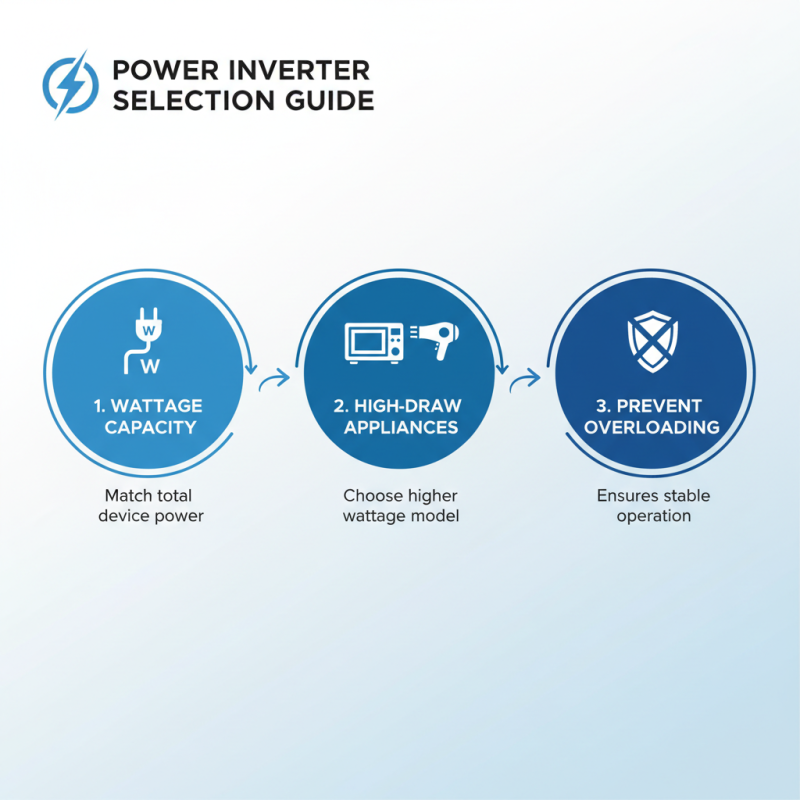
When selecting a power inverter, several key factors deserve your attention. The wattage capacity is essential. Ensure the inverter can handle your devices’ total power requirement. If you have high-draw appliances, opt for a model with higher wattage. This will prevent overloading.
Consider the inverter's efficiency rating, too. Higher efficiency means less energy loss during conversion. Many inverters operate between 80-90% efficiency. A lower efficiency could increase electricity costs over time. Also, check out the waveform type. Pure sine wave inverters are ideal for sensitive electronics, while modified sine waves might suffice for simpler devices.
Finally, think about portability and installation ease. Compact designs work best for small spaces or travel. Some models offer plug-and-play features, simplifying setup. Assess your needs carefully; a rushed decision may lead to future frustrations. Aim for an inverter that balances performance with your energy goals. Choosing wisely will ensure a dependable power source for your needs.
Common Applications of Power Inverters in Daily Life
Power inverters are versatile devices that convert DC power to AC power. They play a crucial role in making energy accessible for various applications. One common use is in recreational vehicles (RVs). RV owners often rely on them to power appliances when they are off-grid. A power inverter can run a refrigerator or microwave, making life on the road more convenient.
Another prevalent application is in solar energy systems. Many homes use solar panels that produce DC electricity. A power inverter is essential to convert this energy for use in standard household appliances. This enables families to reduce their dependence on the grid. However, people sometimes underestimate the importance of selecting the right inverter. A poorly matched inverter can lead to inefficiency and limit power supply.
Additionally, power inverters are useful during emergencies. During outages, they can draw power from car batteries or generators. This provides necessary electricity for lights and small devices, maintaining comfort and safety. Yet, reliance on inverters requires awareness. Users often forget to monitor battery levels or choose inappropriate wattage. These oversights can lead to frustrating situations when power is needed most.
Why You Should Choose a Power Inverter DC AC for Your Energy Needs? - Common Applications of Power Inverters in Daily Life
| Application |
Power Requirement (W) |
Inverter Size (W) |
Frequency (Hz) |
Purpose |
| Refrigerator |
100-800 |
1000 |
60 |
Cooling food and beverages |
| Laptop |
30-100 |
200 |
60 |
Work and entertainment |
| Television |
50-400 |
600 |
60 |
Watching shows and movies |
| Power Tools |
500-1500 |
2000 |
60 |
Construction and repairs |
| Air Conditioner |
1000-4000 |
5000 |
60 |
Cooling indoor spaces |
| Mobile Phones |
5-20 |
50 |
60 |
Communication and internet |