2026 How to Choose the Best Backup Power Inverter for Your Needs?
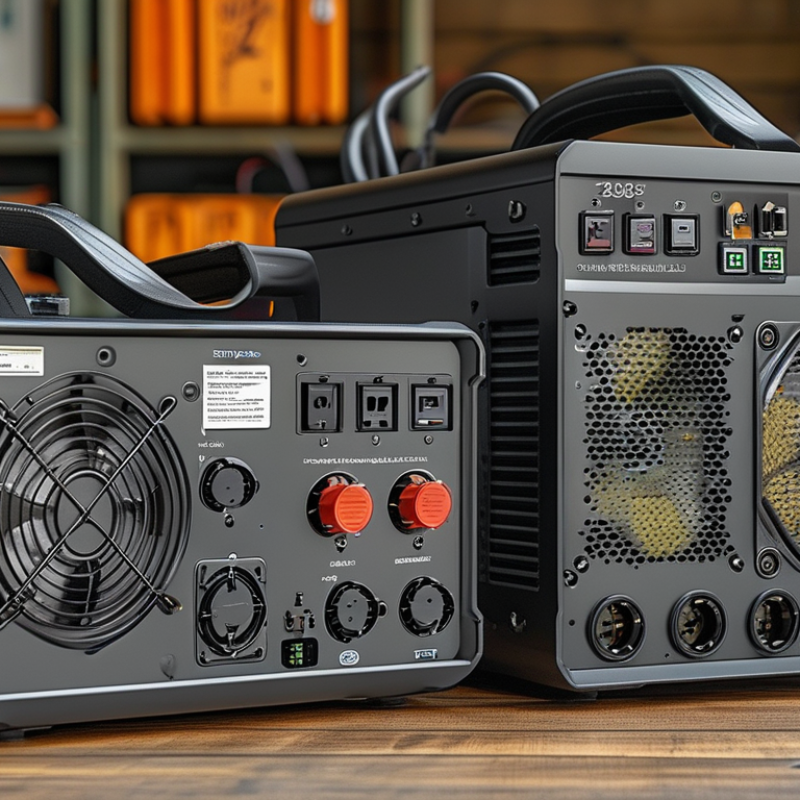
Choosing the right backup power inverter is crucial for your energy needs. A reliable inverter ensures your devices run smoothly during outages. Various models exist, making selection challenging.
When evaluating a backup power inverter, several factors emerge. Consider the wattage required for your devices. Prioritize safety features, as not all inverters are created equal. Look for certifications that indicate quality.
Real-life experiences often reveal shortcomings in user-friendly guides. Users may overlook compatibility with their systems. Evaluate your specific power demands carefully. Knowledgeable advice can sometimes miss individual situations. Strive to uncover diverse options that best suit your lifestyle.
Understanding Backup Power Inverters: A Comprehensive Overview
Backup power inverters are essential for providing electricity during outages. They convert DC power from batteries into AC power for household use. Understanding these devices is crucial as reliance on backup power systems increases. According to the U.S. Energy Information Administration, about 1 in 5 Americans experience power outages each year, highlighting the need for reliable backup solutions.
When selecting a backup inverter, consider wattage needs. To power essential appliances like refrigerators or medical equipment, you might require a high-capacity inverter. Reports indicate that inverters between 1000 to 5000 watts are common for home use. Size and weight also matter. A portable inverter should be easy to move. Yet, heavy-duty models may offer better performance for stationary settings. Failure to account for such details could lead to inadequate power solutions.
Lastly, safety features must be on your radar. Look for built-in protections against overloading and overheating. Although many inverters include these features, not all perform reliably. A comprehensive review of user feedback can be enlightening. Many users point out the importance of customer support and repair options, aspects often overlooked in initial research. Prioritizing these factors ensures you choose a suitable inverter for your specific needs.
Key Features to Consider When Selecting a Backup Power Inverter
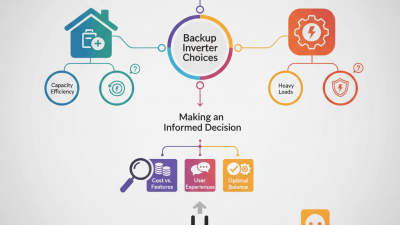
When selecting a backup power inverter, consider its capacity and power rating. This determines how many devices you can run simultaneously. Check wattage requirements of your appliances to avoid overload. An inverter's efficiency also plays a critical role. Look for models with high efficiency ratings. This ensures lower energy loss and longer usage times.
Tips: Prioritize inverters with pure sine wave output. They are safer for sensitive electronics. Avoid modified sine wave inverters for devices like microwaves or TVs. Additionally, think about battery compatibility. Some inverters work best with specific battery types. Understanding this can enhance performance.
Another essential factor is the inverter’s safety features. Look for overload protection, short circuit prevention, and thermal shutdown. These features prevent damage during faults. Some models may lack these protections. This could be risky, especially in emergency situations. Regular maintenance and monitoring are also needed for optimal functioning. Make a habit of checking battery health and inverter status. This ensures reliability when you need it most.
Evaluating Power Requirements for Your Specific Needs
Evaluating your power requirements is a crucial step in selecting the best backup power inverter. Start by calculating the wattage of your essential devices. For instance, a refrigerator typically runs at around 600-800 watts. If you need to power multiple appliances, this number increases significantly. Research conducted by the Department of Energy indicates that most households require a backup system capable of handling at least 3000 watts during peak usage times.
Consider the duration you’ll need backup power. A common need is for 2-3 hours during outages, which highlights the importance of battery capacity. Many inverters offer a range of battery capacities, often measured in amp-hours (Ah). The right choice balances both power requirements and desired usage time. Reports suggest that many users overestimate their needs, leading to over-purchasing. Taking the time to list your devices can prevent this common pitfall.
Finally, think about the efficiency of the inverter itself. Inverters vary in their performance, often operating at 80-90% efficiency. This means that a 1000-watt inverter could realistically supply only 800-900 watts of usable power. Users frequently overlook this aspect, resulting in frustrated experiences during outages. Being informed about these specifications can lead to more reliable and efficient purchases.
Types of Backup Power Inverters: Which One is Right for You?
When it comes to backup power inverters, understanding the types available is crucial for making the right choice.
There are mainly three types: pure sine wave, modified sine wave, and square wave. Each type serves different needs based on the devices you intend to power. For instance, pure sine wave inverters are ideal for sensitive electronics. On the other hand, modified sine wave inverters can efficiently power less delicate equipment.
Tips: Assess your devices before selecting an inverter. Identify the total wattage your appliances require. Ensure that the inverter can handle that load comfortably. Ignoring this detail may lead to inverter burnout or worse, damage to your devices.
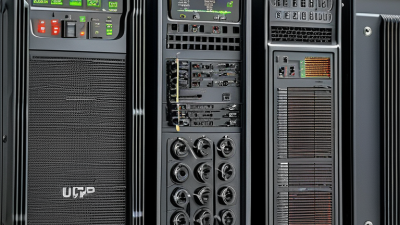
Another consideration is portability. If you plan to use the inverter outdoors or in various locations, weight and size matter. Some models are bulky and may not suit your needs. Additionally, evaluate the inverter's run time and battery compatibility. A good inverter should not just power your equipment but also operate for a satisfactory duration.
Tips: Think about the scenarios you might face. Will you need it for long outages or short, occasional use? Understanding your specific situation will steer you towards the appropriate choice.
Maintenance and Safety Tips for Backup Power Inverters
When selecting a backup power inverter, maintenance and safety are crucial. Regular checks can enhance performance and prolong lifespan. Industry reports indicate that nearly 30% of inverters fail due to improper maintenance. Therefore, understanding key practices is essential.
First, keep the inverter clean. Dust and debris can obstruct airflow, leading to overheating. Use a soft cloth to wipe down surfaces. Inspect connections to prevent corrosion. Tighten loose wires as they can lead to fires.
Tip: Always operate within the inverter’s specified limits. Overloading can cause significant damage. If using for critical devices, consider installing surge protectors.
Safety is equally important. Ensure your inverter is in a well-ventilated area to avoid carbon monoxide buildup. Keep it dry, as moisture can cause electrical faults. Read the user manual meticulously. Many overlook this step, which could lead to severe accidents.
Tip: Conduct regular performance tests. This can reveal any underlying issues before they escalate. Adopting these practices can significantly reduce risks associated with backup power inverters.
2026 How to Choose the Best Backup Power Inverter for Your Needs? - Maintenance and Safety Tips for Backup Power Inverters
| Power Inverter Type |
Power Output (Watts) |
Efficiency (%) |
Weight (lbs) |
Typical Use Cases |
Maintenance Tips |
Safety Tips |
| Pure Sine Wave |
3000 |
90 |
20 |
Home appliances, sensitive electronics |
Check connections regularly |
Do not overload |
| Modified Sine Wave |
1500 |
85 |
15 |
Power tools, light-duty appliances |
Keep vents free of dust |
Use in well-ventilated area |
| High-Frequency Inverter |
2000 |
88 |
18 |
RV, camping, small appliances |
Inspect cables for wear |
Avoid wet conditions |
| Grid-Tie Inverter |
5000 |
95 |
25 |
Solar power systems |
Regularly check solar panels |
Ensure proper grounding |