How to Choose the Best Wall Sockets for Your Needs?
When it comes to selecting the right wall sockets, several factors must be considered. Wall sockets are essential components of any electrical system. According to a report by the International Electrotechnical Commission, improper selection can lead to safety hazards and efficiency issues.
In residential settings, wall sockets must cater to various devices. A study by the National Electrical Manufacturers Association highlights that up to 30% of energy waste occurs due to outdated or incompatible sockets. This statistic drives the need for modern, efficient options that meet current energy standards.
However, not all wall sockets are created equal. Consumers often face challenges in understanding the differences between types and specifications. Many may overlook factors such as voltage, amperage, and compatibility with smart devices. Reflecting on personal experiences with wall sockets may reveal missed opportunities for improved safety and functionality. Choosing the right wall socket can significantly impact both usage and energy efficiency in your home or business.
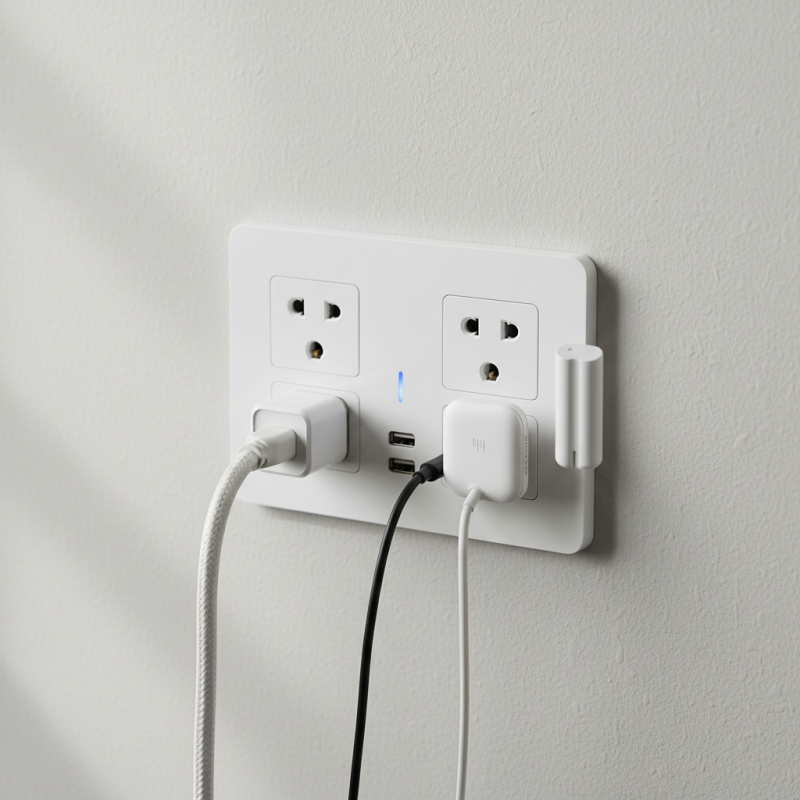
Factors to Consider When Choosing Wall Sockets for Energy Efficiency
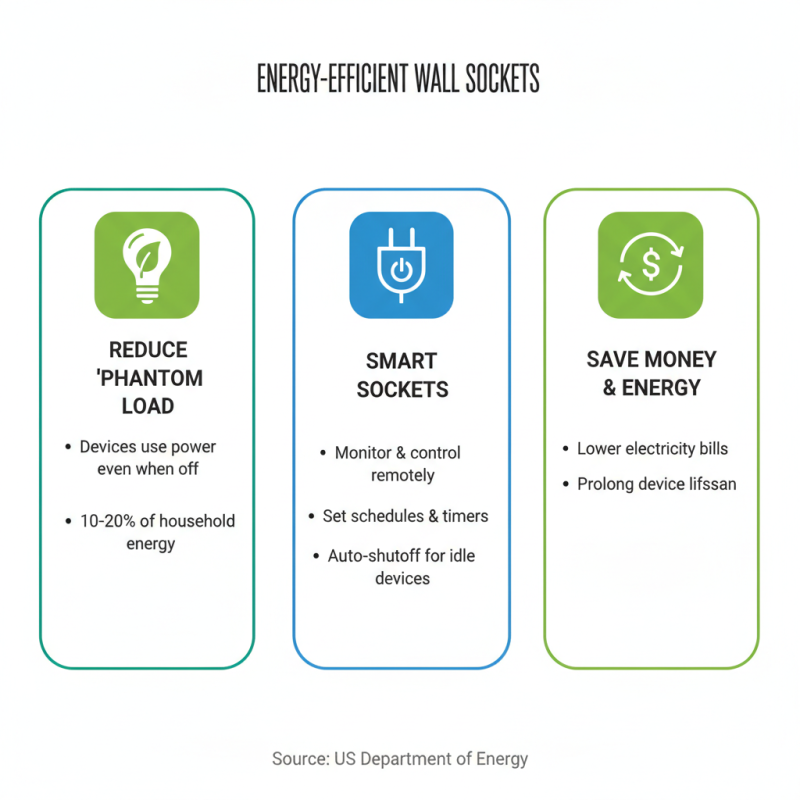
When selecting wall sockets, energy efficiency should be a primary concern. According to the U.S. Department of Energy, devices that consume continuous power can account for 10% to 20% of a household's energy use. This highlights the importance of choosing sockets that can help manage this energy consumption effectively.
Look for wall sockets with built-in energy monitoring features. These sockets can provide insights into how much power your devices are using. A report from the International Energy Agency stated that smart energy management can reduce energy costs by as much as 10%. Additionally, consider sockets that meet energy efficiency standards. Sockets that comply with energy regulations often have features that reduce standby power loss, making them a wise choice for the environmentally conscious consumer.
Materials used in wall sockets also impact energy efficiency. For instance, high-quality plastics and metals can ensure better insulation and reduce energy leaks. It’s essential to reflect on how different materials perform in various environments. Not every socket performs well in all conditions. Ensure that the sockets you choose are suitable for your specific needs, especially in spaces with heavy electrical use. Understanding these factors can lead to better energy savings and a more sustainable home environment.
Understanding Different Types of Wall Sockets and Their Applications
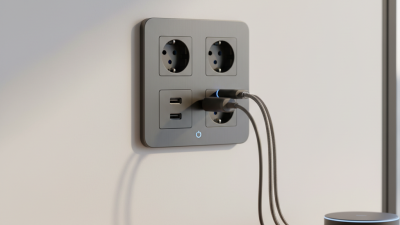
When selecting wall sockets, understanding their types is crucial. There are standard sockets, USB sockets, and smart sockets. Standard sockets suit most devices but lack versatility. USB sockets offer direct charging for mobile devices, simplifying usage. Smart sockets can be controlled remotely, providing convenience and energy savings.
Choosing the right socket involves considering specific needs. Do you often charge devices? If so, USB sockets might be best. Need energy management? Look at smart options. Also, check local voltage ratings. Mismatched voltages can damage equipment.
Tips for selection: Always assess power requirements. Each socket type has its capacity. Installations should be done by professionals. Poor installation can lead to hazards. Ultimately, while preferences matter, utility should guide your choice.
Assessing Voltage and Current Ratings for Safe Socket Selection
When selecting wall sockets, assessing voltage and current ratings is crucial for safety. Standard domestic sockets usually support voltages of 120V to 240V. Higher voltage can lead to dangerous shocks or electrical fires. The International Electrotechnical Commission (IEC) recommends ensuring any socket matches your specific voltage needs.
Current ratings are equally important. Typical ratings range from 10A to 16A for household applications. Exceeding these ratings can cause overheating, leading to potential hazards. According to a report from the National Fire Protection Association (NFPA), electrical failures, including overloaded sockets, accounted for approximately 31% of home electrical fires in recent years.
It’s vital to check compatibility with appliances. For instance, devices with higher current demands require more robust sockets. This mismatch can cause electrical disruptions. Some users may overlook the importance of proper ratings, which can lead to costly repairs or replacements. Always refer to local electrical codes. These guidelines help ensure safe installation and usage of wall sockets.
How to Choose the Best Wall Sockets for Your Needs? - Assessing Voltage and Current Ratings for Safe Socket Selection
| Socket Type |
Voltage Rating (V) |
Current Rating (A) |
Material |
Safety Features |
| Standard Socket |
230V |
16A |
Plastic |
Surge Protection |
| USB Socket |
5V |
3A |
Bakelite |
Overload Protection |
| Smart Socket |
240V |
10A |
Polycarbonate |
Remote Control, Timer |
| Waterproof Socket |
230V |
16A |
Plastic |
IP67 Rated |
| Multi-Socket |
230V |
16A |
Plastic |
Individual Switches |
Exploring Smart Wall Socket Features for Modern Homes
Choosing the right wall sockets for your modern home can greatly enhance your living experience.
Smart wall sockets are particularly valuable. They offer convenience and improved energy management.
Many come with features like USB ports and remote control capabilities.
One useful tip is to consider the energy monitoring feature. This allows you to track electricity usage.
Being aware of your consumption can lead to reduced bills. Additionally, some smart sockets are compatible with voice assistants.
This integration can simplify daily tasks.
When selecting sockets, think about design and placement. Identify high-usage areas like the kitchen and living room.
The aesthetics of your sockets can affect overall room appeal. Yet, opting for the latest model isn't always necessary.
Sometimes, a simpler solution can address your needs effectively.
Reflecting on specific requirements is key. Evaluate what features you will genuinely use. Are you looking for convenience or energy savings?
Understanding your lifestyle can steer your choices in the right direction. Avoiding impulse buys helps ensure you choose wisely.
Comparing Installation Costs and Maintenance for Various Socket Types
When selecting wall sockets, installation costs can vary widely. Factors include the type of socket, existing wiring, and location. For instance, GFCI sockets, often used in bathrooms and kitchens, may require additional wiring. This can increase initial costs significantly. If you’re replacing existing outlets, expenses might be lower. Yet, consider that DIY installations can be risky if you're not experienced.
Maintenance is another aspect to weigh. Standard sockets need occasional inspection for wear and tear. Smart sockets may require software updates. Their maintenance can seem complex for some users, adding to long-term costs. Moreover, technical issues might surface unexpectedly. Understanding these intricacies is crucial.
Lastly, reflect on the long-term implications of your choice. A lower initial cost may lead to higher maintenance needs later. Balancing upfront costs with future upkeep is essential. Examine your habits and environment to make the best decision. This approach ensures you invest wisely in your electrical needs.
Comparing Installation Costs and Maintenance for Various Socket Types