What is Inverter Pure Sinus and Why is it Important?
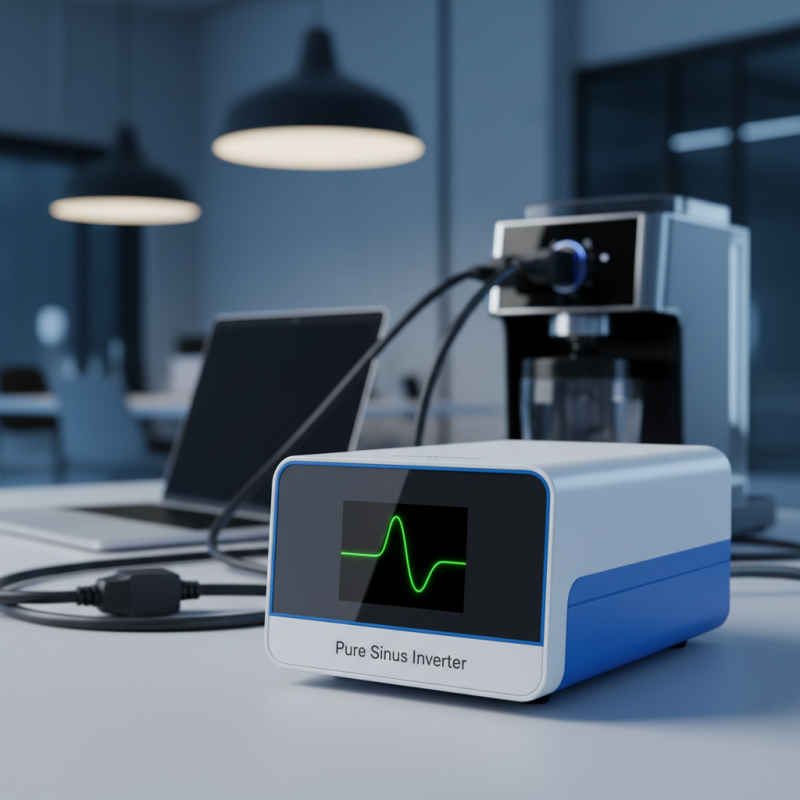
Inverter Pure Sinus technology serves as a crucial foundation for modern power systems. Many devices rely on clean and stable power, making this technology essential. It produces a smooth, sinusoidal waveform, vital for sensitive electronics.
The importance of Inverter Pure Sinus cannot be overstated. Conventional inverters can generate distorted waveforms that may harm devices. In contrast, Pure Sinus inverters provide a reliable power supply which ensures efficiency and longevity for equipment. Many users underestimate the impact of waveform quality on energy consumption and device performance.
Embracing this technology requires careful consideration. Not all applications may need the advanced benefits of Inverter Pure Sinus. Users should analyze their specific electrical needs to determine the best fit. Understanding the intricacies of inverter technology can be overwhelming but is necessary for making informed choices.
What is a Pure Sine Wave Inverter?
A pure sine wave inverter is a device that converts direct current (DC) into alternating current (AC) with a smooth, consistent waveform. This type of inverter produces electricity that closely resembles the waveform of utility-supplied power. According to the National Renewable Energy Laboratory, pure sine wave outputs are crucial for properly running sensitive electronics, including medical devices and high-quality audio equipment.
Pure sine wave inverters are especially important because they ensure efficiency and performance. Devices using these inverters experience less distortion and may perform better. In fact, a study from the Electric Power Research Institute shows that using pure sine wave inverters can extend the lifespan of appliances by up to 25%. This is vital for anyone looking to invest in renewable energy sources or maintain energy-intensive equipment.
Tips: Choose an inverter based on your device requirements. Not all appliances need pure sine waves. However, for sensitive electronics, the right inverter can prevent malfunctions. Additionally, regularly checking your inverter’s performance can help avoid potential issues. Monitoring your system’s output helps identify inefficiencies early on, which can save money in the long run.
Key Features of Pure Sine Wave Inverters
Pure sine wave inverters are essential for converting DC power into AC power accurately. They produce a smooth, continuous waveform that mirrors the utility power supply. This waveform is critical for sensitive electronics, as it prevents overheating and uneven performance. According to a report by Global Industry Analysts, pure sine wave inverters account for 65% of the inverter market due to their growing importance in renewable energy systems.
Key features of pure sine wave inverters include high efficiency and stability. These inverters typically operate at around 90-95% efficiency, ensuring minimal energy loss. They also provide cleaner voltage, reducing harmonic distortion. This feature is particularly important for high-end appliances, such as computers and medical equipment. Employing a pure sine wave inverter ensures optimal performance and longer lifespan for these devices.
**Tips:** When choosing an inverter, assess your power requirements. Opt for a model that exceeds your peak demand. Always consider safety features, like automatic shutdowns and overload protection. Reliable data indicates that using quality inverters can enhance energy conservation. Balancing costs and features is key. Some users prefer affordable models but later face performance issues. Reflecting on your needs before purchasing can prevent costly mistakes later.
What is Inverter Pure Sinus and Why is it Important? - Key Features of Pure Sine Wave Inverters
| Feature |
Description |
| Waveform Type |
Produces a smooth, continuous sine wave output |
| Compatibility |
Compatible with a wider range of electrical appliances, including sensitive devices |
| Efficiency |
Higher efficiency compared to modified sine wave inverters |
| Noise Level |
Operates quietly with less electrical noise |
| Safety |
Safer for sensitive electronics due to reduced risk of voltage spikes |
| Cost |
Generally higher initial cost, but better value for sensitive equipment |
| Applications |
Ideal for home use, medical devices, and advanced electronics |
Advantages of Using Pure Sine Wave Inverters
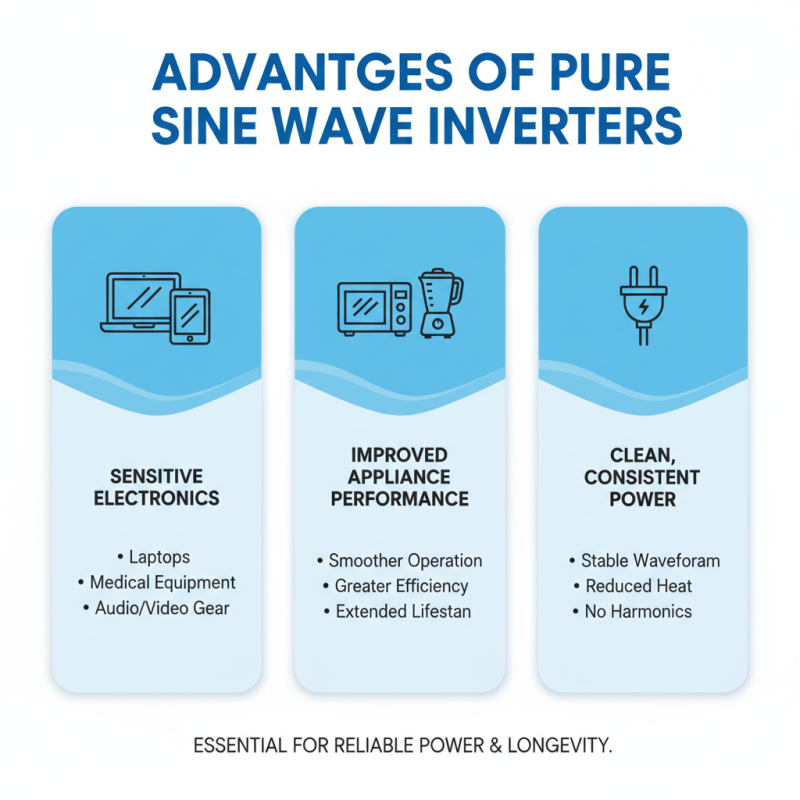
Pure sine wave inverters are essential for anyone using sensitive electronics. They produce a smooth, consistent electrical waveform. This is crucial for devices like laptops, microwaves, and medical equipment. Many appliances perform best with pure sine waves, leading to improved efficiency and longevity.
Quality matters when choosing an inverter. Pure sine wave inverters help reduce overheating risks associated with lower-quality inverters. They deliver power that resembles the electricity from your home outlet. This makes them safe for all your devices, preserving performance.
**Tip:** Always check the inverter’s specifications to ensure it meets your power needs.
Users often overlook that not all inverters are created equal. Modified sine wave inverters may save money but can cause problems over time. These inverters can result in noisy operation or even damage sensitive devices. Regular maintenance and monitoring their performance are key to maximizing their lifespan.
**Tip:** Consider the long-term costs of your investment. Opting for a pure sine wave inverter can save more in repair or replacement costs later.
Investing in a pure sine wave inverter can significantly improve your power system's performance. Higher efficiency and less wear on electronics make these inverters an intelligent choice. Being proactive with maintenance ensures that you continue to enjoy reliable power.
Applications of Pure Sine Wave Inverters
Pure sine wave inverters play a crucial role in various applications, particularly in renewable energy systems. These devices produce an output voltage that closely resembles the waveform of the utility grid. As a result, they can efficiently power sensitive electronics and appliances. A report by the National Renewable Energy Laboratory suggests that pure sine wave inverters significantly improve the performance and lifespan of electronic devices.
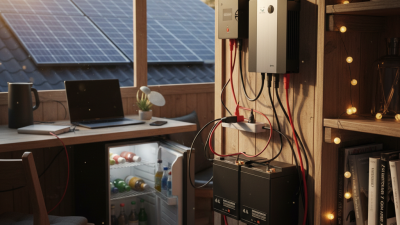
In residential solar power systems, pure sine wave inverters are essential. They ensure that household appliances, which often require clean power, operate efficiently. According to a study published in the Journal of Power Sources, using pure sine wave output reduces the risk of overheating and failure in electronic circuits. Identifying a compatible inverter can enhance energy efficiency by up to 20%, contributing to long-term savings.
Additionally, these inverters are vital in critical sectors like healthcare. Medical equipment, such as ventilators and monitors, performs optimally with pure sine wave power. The electrical performance required in these situations demands reliability. The IEEE Power Electronics Society highlights that failures in power quality can directly impact patient safety. Investing in pure sine wave technology brings peace of mind in environments where reliability is paramount.
Importance of Pure Sine Wave Inverters and Their Applications
Pure sine wave inverters are essential for various applications due to their ability to provide clean and stable power similar to the electricity supplied by utility companies. This chart illustrates the potential applications and benefits of pure sine wave inverters across different sectors.
Impact of Pure Sine Wave Inverters on Appliances and Equipment
Pure sine wave inverters play a crucial role in maintaining the efficiency of modern appliances. They produce a smooth, continuous waveform that aligns closely with the power supplied by utilities. This is vital for sensitive electronics, as appliances like televisions, computers, and medical devices are engineered to operate on pure sine wave power. A report by the National Renewable Energy Laboratory suggests that using a pure sine wave inverter can improve the lifespan of these devices by nearly 30%.
Many household appliances are designed to run on pure sine waves. When powered by modified sine wave inverters, they may function inadequately or suffer damage over time. The American Electrical Manufacturers Association indicates that equipment exposed to non-sinusoidal waveforms may experience overheating, inconsistent performance, and can even risk complete failure. This has significant implications for users relying on their devices for everyday tasks.
Despite their benefits, pure sine wave inverters can be underutilized in some households. Users often opt for cheaper modified sine wave models without understanding the long-term costs. These choices can lead to a false economy, as electronic repairs can add up quickly. Understanding the importance of pure sine wave inverters helps in making informed decisions for both cost-effectiveness and appliance longevity.