What is an Mppt Inverter and How Does It Work?
In the rapidly evolving solar energy landscape, the Mppt Inverter plays a crucial role. As noted by Dr. Sarah Thompson, a leading expert in renewable energy technology, “The Mppt Inverter maximizes energy output from solar panels.” This technology optimizes the power conversion process, ensuring efficiency.
The Mppt Inverter operates by tracking the maximum power point of solar cells. It adjusts input and output voltage and current to harness energy effectively. This system can significantly boost the efficiency of solar installations. However, it can also be complex, requiring careful installation and monitoring.
Understanding the functioning of Mppt Inverters is essential for anyone interested in solar technology. Despite its advantages, there are potential challenges. Users may face issues in networking the inverter with their systems. This presents an opportunity for improvement in the industry. Hence, exploring the intricacies of Mppt Inverters opens doors to innovation and better solutions.

What is an MPPT Inverter? Definition and Overview
An MPPT inverter is a crucial component in solar power systems. MPPT stands for Maximum Power Point Tracking. This technology optimizes the energy harvest from solar panels. It continually adjusts the electrical operating point of the modules. By doing this, it ensures that the system extracts the maximum available power, even under varying conditions.
The MPPT inverter monitors temperature, sunlight intensity, and panel voltage. When these factors change, the inverter recalibrates its operation. This keeps energy loss minimal. For instance, on cloudy days, an MPPT inverter can better utilize available energy. However, setup and configuration can be complex. Not every installer fully understands the nuances of MPPT technology. This often leads to inefficiencies that impact performance.
In many cases, installations do not optimize for various weather conditions. This can result in a lower energy yield than expected. Users should actively check and understand their system's performance. Monitoring the energy output can help identify potential issues. This understanding is vital for maximizing the benefits of solar investments.
Key Components of MPPT Inverters: Hardware and Software Elements
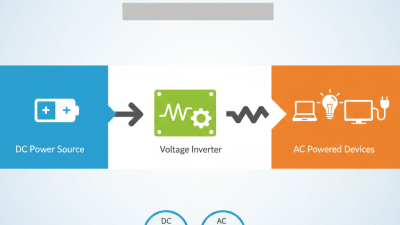
MPPT inverters play a crucial role in optimizing solar energy systems. The key components often include specialized hardware and sophisticated software. The hardware typically involves power electronic devices. These convert DC power generated by solar panels to AC power. Additionally, they monitor voltage and current to maximize output.
The software aspect is equally important. It enables real-time tracking of solar energy conditions. Advanced algorithms are used to adjust the inverter’s operation. They optimize energy capture throughout the day. Industry reports suggest that MPPT technology can increase energy harvest by up to 30%. This efficiency improvement might sound promising, but it also highlights the need for constant monitoring.
Despite the benefits, not all MPPT inverters perform equally. Differences in design and programming can lead to varied results. Understanding these subtleties is vital for users. Segments of the industry report that overlooked maintenance can diminish inverter performance. Regular checks could prevent underperformance, leaving energy on the table. In conclusion, while MPPT inverters promise efficiency, their effectiveness heavily depends on both hardware and software reliability.
How MPPT Technology Maximizes Solar Energy Capture and Conversion
MPPT (Maximum Power Point Tracking) technology plays a crucial role in solar energy systems. It optimizes the energy output from solar panels by continuously adjusting the electrical load. This allows inverters to capture the maximum amount of energy, enhancing overall system efficiency. According to a study by the National Renewable Energy Laboratory, MPPT can increase solar energy conversion by up to 30% compared to traditional inverter systems.
By using MPPT, users benefit from better energy yield, especially in low-light conditions. These systems can adapt to changes in sunlight intensity and temperature, ensuring peak performance. Installation data shows that systems equipped with MPPT deliver significantly higher energy production over time. In fact, a typical MPPT inverter could yield an additional 1,600 kilowatt-hours annually in optimal conditions.
Tips: When choosing a solar inverter, consider the MPPT efficiency ratings. Look for models with dual or multiple MPPTs for larger systems. They provide flexibility and the potential to harvest more energy from shaded areas. Also, regular maintenance can affect performance, so don’t overlook it.
Nonetheless, MPPT technology isn’t flawless. Some systems might struggle during rapid weather changes. Heavy cloud cover can disrupt performance even with the best MPPT systems. Understand the limits of the technology to set realistic expectations for energy production.
What is an Mppt Inverter and How Does It Work? - How MPPT Technology Maximizes Solar Energy Capture and Conversion
| Feature |
Description |
Benefit |
| Maximum Power Point Tracking (MPPT) |
A technique used to maximize the power output from solar panels by adjusting the electrical load. |
Increased energy capture under varying conditions. |
| Efficiency Rate |
Typical efficiency rates for MPPT inverters range from 95% to 98%. |
Higher energy conversion, leading to more usable power. |
| Input Voltage Range |
Can accept a wide range of input voltages, maximizing compatibility with different panel configurations. |
Flexibility in system design, allowing for greater efficiency. |
| Temperature Coefficient |
MPPT inverters are less affected by temperature variations compared to traditional inverters. |
More stable performance in varying weather conditions. |
| Monitoring Features |
Many MPPT inverters come with monitoring capabilities to track performance in real-time. |
Easier maintenance and troubleshooting for optimal performance. |
Efficiency Comparisons: MPPT Inverters vs. Traditional Inverters
MPPT (Maximum Power Point Tracking) inverters are becoming popular in solar installations. Their efficiency is a major reason for this trend. MPPT inverters can improve energy conversion by 20% to 30% compared to traditional inverters. This is crucial for homeowners and businesses aiming to maximize solar energy usage.
Traditional inverters operate at a fixed efficiency level, often losing energy in fluctuating sunlight conditions. In contrast, MPPT inverters dynamically adjust to solar panel output. A study from the National Renewable Energy Laboratory highlights that MPPT technology can capture more solar energy during early mornings or late afternoons. This variance can lead to a significant increase in annual energy production.
However, this technology isn't perfect. MPPT inverters tend to be more expensive upfront. Initial costs can deter some users, leaving them stuck with traditional inverters. There is also a need for proper installation and maintenance to fully benefit from MPPT inverters. Even so, the long-term energy savings could outweigh these concerns for many. Energy efficiency is a priority, and understanding these differences is key.
Real-World Applications: MPPT Inverters in Commercial and Residential Systems
MPPT inverters are vital in both commercial and residential solar systems. They optimize energy conversion from solar panels, improving efficiency. According to the National Renewable Energy Laboratory, using an MPPT inverter can enhance energy capture by 20% to 30%. This is especially important in areas with fluctuating sunlight. The technology adjusts the electrical operating point of the modules.
In commercial settings, MPPT inverters help maximize ROI. Businesses with large solar installations often see reduced payback periods. For instance, a recent study found that companies can save up to 70% on energy costs with optimal inverter setups. However, there are challenges. Not all systems are designed for maximum MPPT benefit. Sometimes, installation aspects hinder performance.
Residential systems also gain from MPPT technology. Homeowners can better control their energy use. Some installations report efficiency losses of up to 15% without MPPT. Additionally, as homes become smarter, the need for robust inverters is crucial. Still, not every homeowner fully understands how to leverage these systems. Education on best practices is often lacking, which can lead to underutilization.