What is a Power Inverter and How Does It Work?
Power inverters play a crucial role in converting direct current (DC) to alternating current (AC). This transformation is essential for powering various devices and systems, especially in off-grid settings. According to John Smith, a power inverter expert, "A reliable power inverter can mean the difference between complete isolation and seamless connectivity."
Understanding how a power inverter works is vital for users seeking efficiency and effectiveness in energy use. The increasing reliance on renewable energy sources emphasizes the need for knowledge in this area. Power inverters enable solar panels and wind turbines to operate efficiently by converting stored energy into usable electricity.
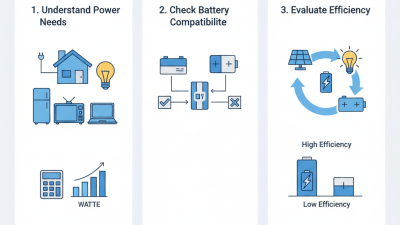
However, not all power inverters are created equal. Users often overlook factors like efficiency ratings and compatibility with their systems. This oversight can result in wasted energy and faulty connections. Choosing the right power inverter requires careful consideration and sometimes trial and error. Users must reflect on their energy needs and infrastructure before making a decision.

Definition of a Power Inverter and Its Function
A power inverter is a crucial device that converts direct current (DC) into alternating current (AC). This conversion is essential for many electronic devices that run on AC power from the grid. The function of a power inverter is to allow these devices to operate efficiently when connected to battery systems or solar panels, making them versatile for various applications.
Recent reports indicate that the market for power inverters is rapidly growing. In 2022, the global inverter market was valued at approximately $12 billion and is expected to reach $20 billion by 2027. This growth reflects the rising demand for renewable energy sources. Despite this, many still misunderstand the role of inverters. They often overlook the need for a compatible setup to ensure efficiency. Connecting an inverter improperly can lead to energy loss or system failures.
Inverters vary in types, including sine wave inverters and modified sine wave inverters. Each type fulfills different needs. However, the efficiency of these devices is not always guaranteed. For example, the efficiency rate of some inverters can drop below 80% if not appropriately matched with the power source. This mismatch can frustrate users who expect seamless performance. Understanding the specific requirements of power inverters is crucial for maximizing their benefits.
What is a Power Inverter and How Does It Work?
| Dimension |
Description |
| Definition |
A device that converts DC (Direct Current) electricity into AC (Alternating Current) electricity. |
| Input Voltage |
Typically accepts 12V, 24V, or 48V from batteries. |
| Output Voltage |
Standard household voltage, usually 110V or 230V AC. |
| Efficiency |
Generally ranges from 80% to 95%, depending on the model. |
| Usage |
Commonly used in solar power systems, vehicles, and backup power supplies. |
| Types |
Includes pure sine wave, modified sine wave, and square wave inverters. |
| Functionality |
Steps include DC voltage input, conversion to AC, and output waveform generation. |
Types of Power Inverters and Their Applications
Power inverters come in various types, each serving unique purposes. The most common types are modified sine wave inverters and pure sine wave inverters. Modified sine wave inverters are less expensive and widely used for basic applications. They work well with many devices but can cause issues with sensitive electronics. For example, some audio equipment may produce distortion or noise when powered by this type of inverter.
On the other hand, pure sine wave inverters provide a clean and stable power output, closely mimicking grid electricity. This makes them ideal for sensitive devices like computers and medical equipment. They are generally more expensive but deliver better performance. Applications for power inverters extend beyond home use. They are crucial in solar power systems, allowing energy collected during the day to be used at night.
Investing in the right type of inverter can be challenging. It's essential to consider your energy needs and the devices you plan to use. Not all inverters are suitable for every situation. Choosing the wrong one can lead to inefficiencies and potential damage to your equipment. Balancing cost and functionality is critical for making the right choice.
Power Inverter Types and Their Applications
This chart illustrates the distribution of different types of power inverters and their applications. The Modified Sine Wave inverter is primarily used for basic applications, while Pure Sine Wave inverters are preferred for sensitive devices. Grid Tie inverters are mainly used in solar applications, and Off-Grid inverters are for standalone power systems.
Basic Components of a Power Inverter Explained
Power inverters are essential devices that convert direct current (DC) into alternating current (AC). This conversion is crucial for using battery power with regular electrical appliances.
Power inverters consist of several basic components, each playing a significant role in the overall functionality.
The primary components include the oscillator, transformer, and output stage. The oscillator generates a square wave signal. This signal is then sent to the transformer, which increases the voltage level. Recent industry reports indicate that the global power inverter market is expected to reach USD 17 billion by 2027, with a CAGR of 9.5% from 2020. This growth reflects the increased reliance on renewable energy solutions and portable power systems.
The output stage helps to refine the waveform. However, imperfect waveforms can cause inefficiencies. Sometimes, devices powered by these inverters may not run at optimal levels. This loss can be frustrating for users. Additionally, heat generation during operation can affect performance. While engineers continue to innovate, there remain challenges in efficiency and thermal management within inverters. Overall, understanding these components is crucial for anyone interested in optimizing their power systems.
How Power Inverters Convert DC to AC Power
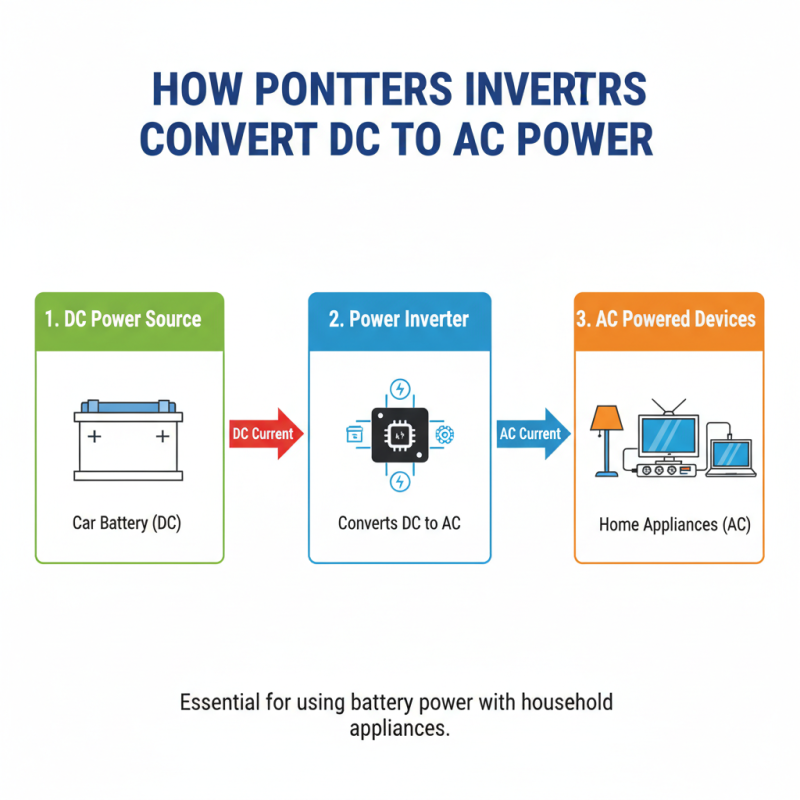
Power inverters play a crucial role in converting DC (direct current) to AC (alternating current). This process is essential for using battery power with household appliances. For example, a car battery provides DC, while most home devices require AC.
Inverters use a series of electronic switches to transform the voltage. These switches oscillate, creating an AC output. While it sounds simple, the process can be quite complex. The quality of the output power must match what devices need. If it doesn’t, you could damage your appliances.
Tips: Always check the inverter’s specifications before purchasing. Not all inverters are created equal. Look for details like the wattage and surge capacity. Understanding these aspects helps prevent future problems.
Poor connections can lead to significant efficiency losses. Ensure that all wiring is secure and without corrosion. Regular maintenance can help keep your inverter running smoothly. Be attentive to any changes in performance, as they may indicate a need for repair or replacement.
Key Benefits of Using Power Inverters in Daily Life
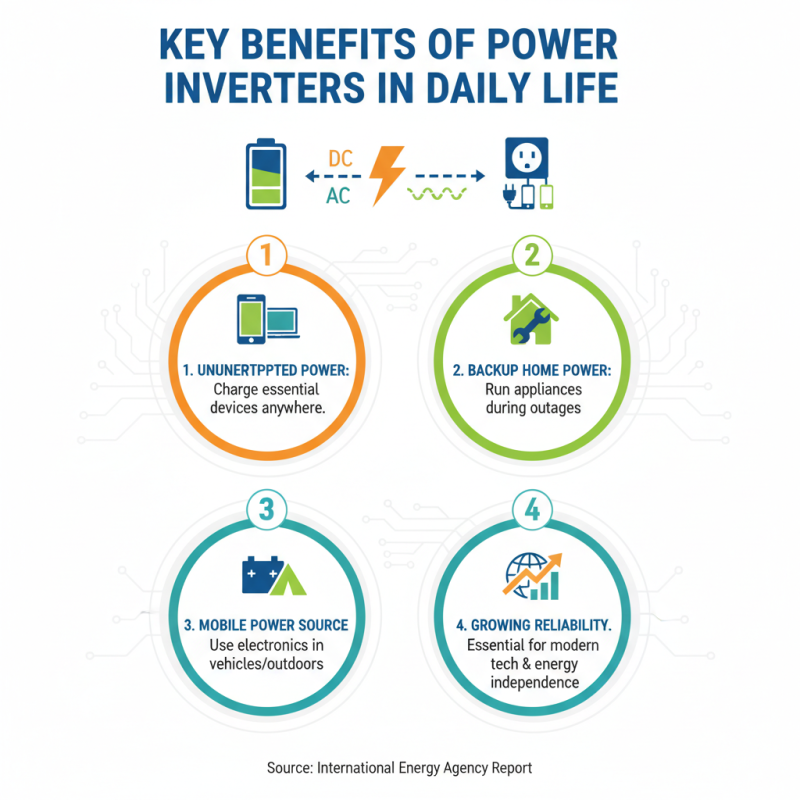
Power inverters are essential in today's tech-driven world. They convert DC (direct current) into AC (alternating current). This process allows you to power various devices from a battery source. Many households and businesses rely on these devices daily. According to a report by the International Energy Agency, the global inverter market is expected to grow significantly, showing a rising recognition of their benefits.
One of the key benefits of using power inverters is energy efficiency. They can help save on electricity bills by optimizing energy use. For instance, using a solar inverter can harness sunlight effectively, with reports indicating potential savings of up to 50% on energy costs. Additionally, power inverters enable the use of clean energy alternatives. This shift reduces dependency on fossil fuels and lowers carbon footprints, promoting a more sustainable lifestyle.
Yet, there are challenges. Not every inverter is suitable for all applications. Some devices may require specific inverter types to function correctly. Misusing inverters can lead to inefficiencies or even damage to equipment. Awareness of these details is crucial for maximizing the advantages of power inverters in daily life.