Smart Light Switch Buying Tips for Global Shoppers
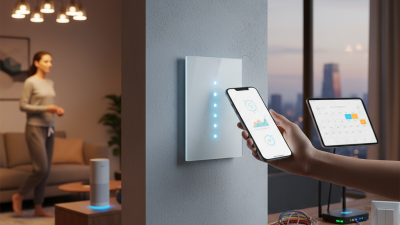
Smart Light Switch technology has quickly gained traction worldwide. A recent report from MarketsandMarkets indicates that the smart lighting market is projected to reach $38 billion by 2024, reflecting a strong consumer interest in smart home devices. This trend highlights the growing importance of Smart Light Switches in modern homes.
Consumers today seek convenience, energy efficiency, and enhanced control. Smart Light Switches allow users to manage lighting remotely, reducing energy costs. Yet, not all Smart Light Switches are created equal. Factors such as compatibility with smart home systems, installation requirements, and user interface are crucial. Some may find the installation process daunting. Review reports suggest that 35% of users encounter challenges during setup.
Smart Light Switches can offer benefits, but choosing the right one requires careful consideration. Shoppers should assess their specific needs and preferences. Investigating technical specifications and user reviews is essential. With various options on the market, knowing what to look for can help avoid costly mistakes and ensure a satisfying purchase experience.
Understanding Smart Light Switch Types for Global Markets
Smart light switches come in various types, catering to different needs and preferences. In many global markets, they can be broadly categorized into wireless, wired, and dimmable options. Wireless models connect to Wi-Fi or Bluetooth, allowing users to control lighting remotely. Wired switches often fit into standard electrical systems, providing classic functionality. Dimmable switches, on the other hand, add an element of flexibility, enabling users to adjust brightness levels.
When purchasing, it's crucial to consider compatibility with local electrical systems. Some regions have unique voltage standards. Understanding your home's wiring and overall electrical load is essential. Smart light switches may require neutral wires; not all homes have them. If unsure, consult a professional electrician. Different regions also have varying smart home ecosystems. Integration with existing devices can affect user experience.
Deciding on features can be challenging. Some consumers might prioritize remote access, while others value energy efficiency. Balancing these factors is important. Read user reviews and installation guides for insights. They often reveal common challenges and benefits. Aim for products with clear documentation and warranty. Remember, the ideal smart light switch blends functionality with ease of use, ensuring satisfaction over time.
Key Features to Consider When Buying Smart Light Switches
When selecting smart light switches, consider features that impact functionality and user experience. The global market for smart lighting is projected to reach $70 billion by 2027, indicating a surge in consumer interest in smart home technology. One key feature is compatibility with voice assistants. Around 70% of smart switch users prefer this integration. It enhances convenience and accessibility, especially for those with mobility challenges.
Another factor is the ease of installation. Many users report frustration with complex setups. Data indicates that 45% of consumers require professional installation. This highlights the need for switches that offer a user-friendly installation process. Look for options with detailed guides and clear labeling. Energy monitoring features are also gaining traction. Surveys show that 60% of buyers want real-time feedback on energy consumption. This aids in reducing electricity bills and promoting energy efficiency.
Remember that aesthetics matter too. Smart switches come in various styles. A well-designed switch can fit seamlessly with your home's decor. However, some models can be bulky or unattractive. It's essential to find a balance between function and design. As you explore the options, keep these details in mind. Small choices can lead to a more harmonious living space.
Smart Light Switch Buying Tips for Global Shoppers - Key Features to Consider When Buying Smart Light Switches
| Feature |
Description |
Importance |
| Compatibility |
Ensure the switch is compatible with your home system (e.g., Zigbee, Z-Wave, Wi-Fi). |
High |
| Control Options |
Look for options like voice control, app control, and manual switches. |
Medium |
| Smart Features |
Check if it has scheduling, dimming, or energy monitoring features. |
High |
| Installation |
Consider whether you need a neutral wire for installation or if it's a simple plug-and-play model. |
High |
| User Interface |
Quality of the mobile app and user-friendliness of the interface. |
Medium |
| Security |
Look for features that ensure data security, like encryption and secure connections. |
High |
| Cost |
Evaluate the price against available features and your budget. |
Medium |
| Brand Reputation |
Research user reviews and ratings for the switch. |
Medium |
Compatibility with Home Automation Systems and Smart Devices
When shopping for smart light switches, compatibility with existing home automation systems is crucial. Many households now use varying technologies like Zigbee, Z-Wave, or Wi-Fi for smart devices. Each protocol has its strengths and weaknesses. Choosing a switch that aligns with your current setup can prevent future frustrations.
Consider the devices you already own. If your home relies on a specific ecosystem, like a universal hub, ensure your new switch integrates seamlessly. Not all switches work well with every system. This misalignment can lead to connectivity issues and operational delays. Research user experiences for real insights; sometimes, features promised by manufacturers may not align with practical usability.
Installation might seem straightforward, but it’s essential to think ahead. Some switches require neutral wires; others don't. If your wiring does not match, it may limit your options. Take measurements before purchasing. Compatibility is not just about technology; it also involves how the switch fits into your everyday life. Reflecting on your specific needs can help inform a more satisfactory purchase.
Smart Light Switch Compatibility with Home Automation Systems
Installation Considerations for Smart Light Switches Abroad
Installing smart light switches while abroad requires careful consideration. Different countries often have unique electrical systems, such as various voltage levels and plug types. Research your destination’s wiring standards before purchasing a smart switch. Understanding local electrical codes can help prevent issues during installation.
A few tips for buyers:
- Check if the switch is compatible with local voltage.
- Choose a model that supports both manual and app controls.
- Ensure the design fits your existing wall plates.
- Additional adapters might be necessary, so factor this into your budget.
Installation can be tricky even for seasoned DIYers. If unsure, consider hiring a local electrician. They understand local codes and can ensure safety. It’s crucial to remember that attempting installation without proper knowledge can be risky. A small mistake could lead to serious consequences. Always prioritize safety in your international installations.
Budgeting for Smart Light Switches: Costs and Value Comparison
When budgeting for smart light switches, understanding costs is crucial. Smart switches can range from $20 to $100, depending on features and design. More advanced models may offer voice control or home automation integration, adding to the cost. It's essential to identify what features you truly need to avoid spending on unnecessary extras.
Value comparison is another important aspect. A basic switch might suffice for simple tasks, while a multifunction switch may offer better long-term savings. Consider energy-efficient options. They may have a higher upfront cost but can reduce electricity bills over time. Many shoppers overlook this aspect, leading to short-term savings at the expense of future costs.
Researching and reading user reviews can provide valuable insights. Some users may report issues with reliability or compatibility, highlighting the importance of thorough evaluation. It's wise to reflect on personal preferences and home systems before making a decision. Choosing a switch without understanding your needs can lead to regret. Balancing current budget constraints with future benefits requires careful thought.