Top 10 Smart Light Switch Tips for Effortless Home Automation
In the era of home automation, the Smart Light Switch has emerged as a transformative tool that enhances convenience and energy efficiency. As more homeowners seek to integrate technology into their living spaces, these innovative devices offer a practical solution for controlling lighting with ease. Gone are the days of traditional switches; with smart light switches, you can manage your home’s illumination from anywhere, setting the stage for a modern lifestyle that prioritizes both comfort and functionality.
This article presents the top 10 tips for maximizing the potential of your Smart Light Switch, ensuring a seamless integration into your daily routine. From optimizing settings to creating automated schedules, these strategies will empower you to harness the full capabilities of smart lighting. Embrace the future of home automation and transform your space into a haven of efficiency and style. Whether you are a tech enthusiast or a novice, these tips will guide you on the path to effortless control over your home's ambience, enhancing both safety and aesthetics in the process.
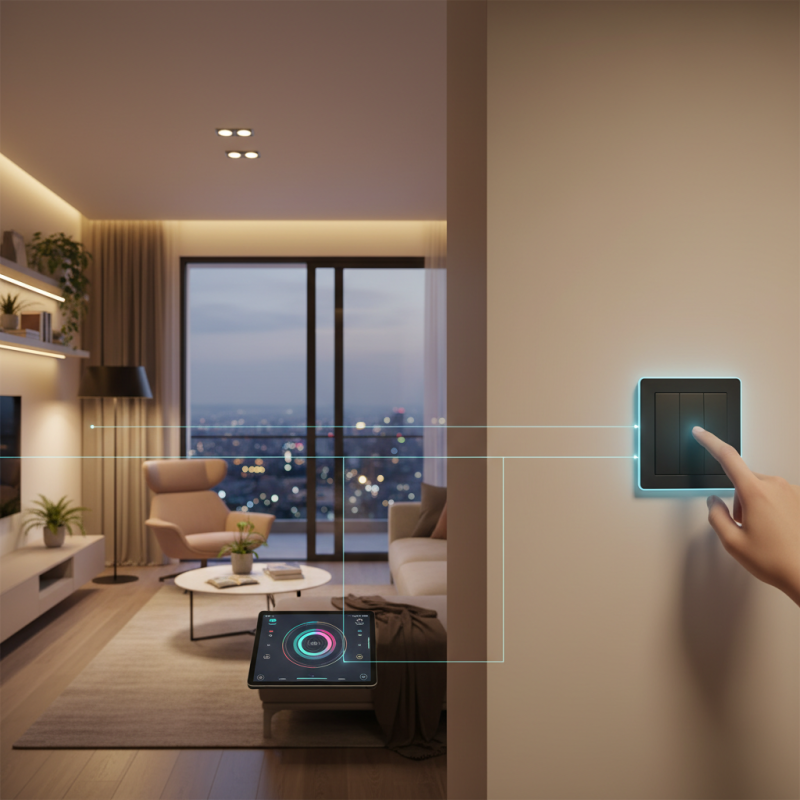
Understanding Smart Light Switch Technology and Its Benefits
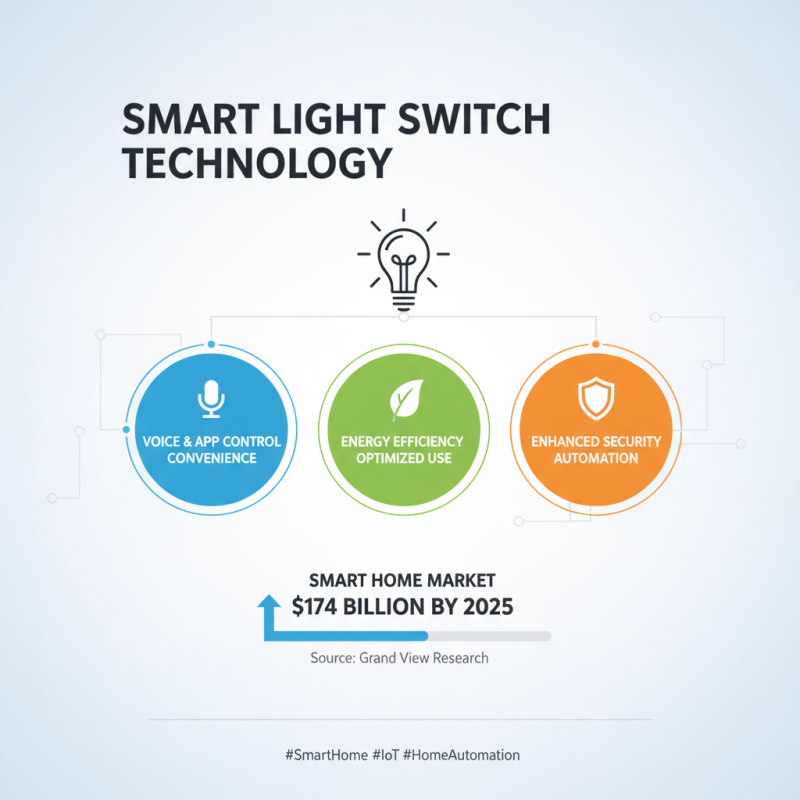
Smart light switch technology is revolutionizing home automation, offering significant benefits that enhance convenience, energy efficiency, and security. According to a report by Grand View Research, the smart home market is projected to reach $174 billion by 2025, with smart lighting expected to be a substantial contributor. One of the key advantages of smart light switches is their ability to integrate with other smart devices, allowing homeowners to control lighting through voice commands or mobile applications, thus optimizing energy consumption and improving user experience.
Moreover, utilizing smart light switches can lead to substantial energy savings—up to 30% according to a study by the American Council for an Energy-Efficient Economy. These switches feature programmable schedules and automated settings that adapt to the homeowner's routine, leading to reduced electricity usage when the lights are not needed. In addition to savings, smart light switches enhance security; users can simulate presence at home by controlling lighting remotely, a feature that deters potential intruders. Overall, the combination of flexibility, energy efficiency, and security makes smart light switches a vital component of modern home automation systems.
The Role of Smart Light Switches in Home Automation Systems
Smart light switches play a crucial role in modern home automation systems, acting as the bridge between convenience and control. By integrating these switches into your home, you transform conventional lighting into a dynamic aspect of your living space. They enable users to remotely manage lights, set schedules, and create ambiance through compatible smart home ecosystems. This seamless interaction not only enhances comfort but also promotes energy efficiency, allowing homeowners to monitor and reduce energy consumption effortlessly.
Moreover, smart light switches offer flexibility in managing various lighting scenarios throughout the home. Features such as dimming options, voice control, and preset scenes facilitate a tailored experience. Users can program their lights to mimic occupancy when they are away, thus increasing security. The integration of smart light switches with other smart devices, like sensors and motion detectors, further augments their functionality, creating a holistic system that responds to the inhabitants' needs. This synergy enhances the overall user experience, making home automation accessible and intuitive for everyone.
Top Features to Look for in Smart Light Switches
When looking for smart light switches, there are several essential features to consider that can enhance your home automation experience. One of the primary aspects is compatibility with your existing smart home ecosystem. Ensure that the switches can integrate seamlessly with voice assistants and other devices in your home, allowing for streamlined control and automation. Additionally, consider whether the switch supports multiple control methods such as mobile apps, voice commands, and physical buttons for versatile use.
Another crucial feature to look for is the ability to schedule and set timers. Many smart light switches allow you to automate your lighting based on your daily routines, helping to save energy and enhance convenience. Choose models that offer customizable settings to create the perfect ambiance for different times of the day. Furthermore, energy monitoring capabilities can also be valuable, as they provide insights into your energy consumption, enabling you to make informed decisions about your lighting usage. In essence, focusing on these features will help you select the ideal smart light switch for a more effortless home automation setup.
Integration with Smart Home Ecosystems: A Connectivity Guide
Integrating smart light switches into your home automation setup is essential for maximizing convenience and control. These devices can seamlessly connect with various smart home ecosystems, enhancing functionality and offering a unified experience. To begin, it's important to understand the different connectivity protocols available, such as Wi-Fi, Zigbee, and Z-Wave, as they determine how your smart light switches communicate with other devices. Choosing a switch compatible with your existing ecosystem will ensure smooth integration and allow you to manage your lighting alongside other smart devices effortlessly.
Moreover, once you have selected the right switch, configuring it within your smart home system is crucial. This often involves using a central hub or app to pair your switches with other devices, such as smart speakers or security systems. Once set up correctly, you can create automated routines, allowing the lights to respond to triggers like time of day or occupancy. Additionally, consider utilizing voice control to enhance accessibility, enabling you to adjust lighting without needing physical interaction with the switches. By focusing on connectivity and integration, you can elevate your home automation experience, providing a more responsive and adaptive living environment.
Top 10 Smart Light Switch Tips for Effortless Home Automation
Cost-Benefit Analysis of Implementing Smart Light Switches
The implementation of smart light switches in home automation systems presents a compelling cost-benefit analysis that homeowners should consider. According to a report by Grand View Research, the global smart lighting market is projected to reach $105.7 billion by 2025, driven by advancements in technology and increasing consumer demand for energy-efficient solutions. Smart light switches contribute significantly to this sector, offering not just convenience but also potential savings on energy costs. Studies indicate that homes incorporating smart lighting solutions can reduce electricity consumption by up to 30%, translating into significant savings over time, especially in regions with high electricity rates.
Furthermore, the initial investment in smart light switch technology is often recouped through operational savings. The average cost of installation can range from $40 to $200 per switch, depending on additional features like remote control or integration with other smart home devices. However, considering the average household's electricity expense — approximately $1,400 per year according to the U.S. Energy Information Administration — the return on investment can be realized in just a few years. Additionally, smart light switches often come with features like scheduling and dimming, which not only enhance convenience but also extend the lifespan of light bulbs, resulting in further cost savings. As homeowners weigh the upfront costs against long-term benefits, the financial advantages become increasingly clear.
Top 10 Smart Light Switch Tips for Effortless Home Automation
| Tip |
Benefit |
Cost ($) |
Estimated Savings ($/year) |
Implementation Time (hours) |
| Use timers for lights |
Automated lighting control |
30 |
100 |
1 |
| Integrate with voice assistants |
Hands-free operation |
50 |
120 |
2 |
| Set up remote access |
Control from anywhere |
40 |
150 |
1.5 |
| Use motion sensors |
Energy savings |
60 |
200 |
3 |
| Customize scenes |
Personalized ambiance |
20 |
80 |
2 |
| Schedule routines |
Efficiency |
25 |
90 |
1 |
| Employ dimmers |
Mood lighting |
35 |
70 |
1.5 |
| Monitor energy use |
Cost tracking |
12 |
60 |
1 |
| Update firmware regularly |
Enhanced security |
0 |
N/A |
0.5 |
| Use energy-efficient bulbs |
Longer life & savings |
15 |
300 |
1 |