Top Off Grid Inverter Options for Sustainable Energy Solutions?
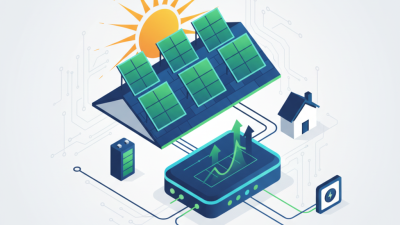
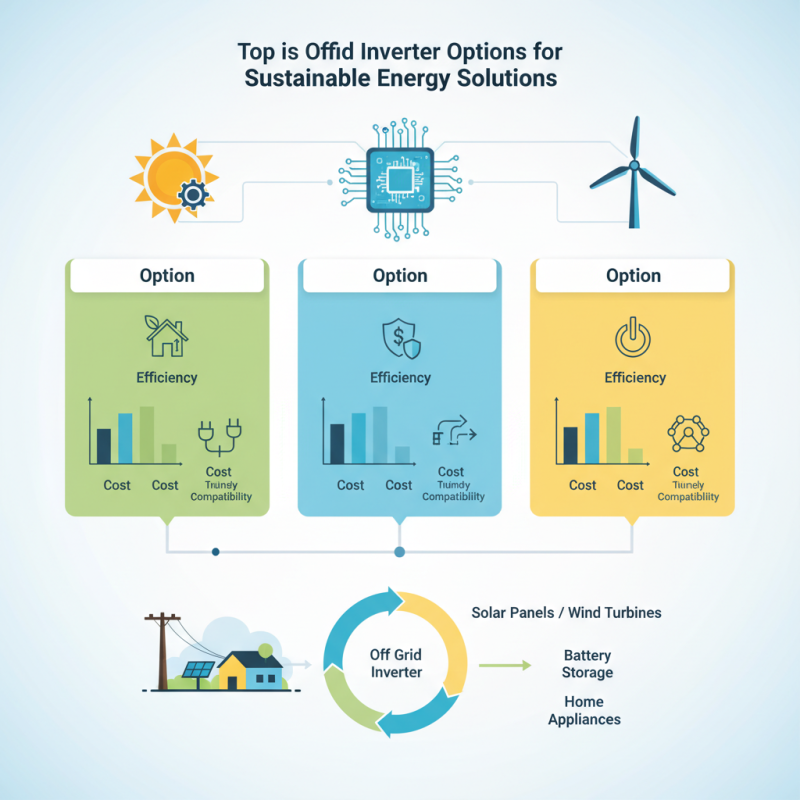
In today's world, the pursuit of sustainable energy has led many to explore Off Grid Inverters. These devices enable individuals and communities to harness renewable energy effectively. By utilizing solar panels or wind turbines, off grid systems reduce reliance on traditional power sources.
Off grid inverters play a vital role in converting the energy generated into usable power. They provide solutions for homes in remote areas, allowing them to access electricity without connection to the main grid. This innovation sparks the imagination, offering freedom from fluctuating energy prices and blackouts.
However, not all off grid inverters are created equal. Choosing the right option can be challenging and confusing. Factors to consider include efficiency, cost, and compatibility with other equipment. Each choice comes with its advantages and drawbacks. Reflecting on these options is critical for anyone looking to adopt a sustainable lifestyle.
Overview of Off Grid Inverters and Their Importance in Sustainable Energy
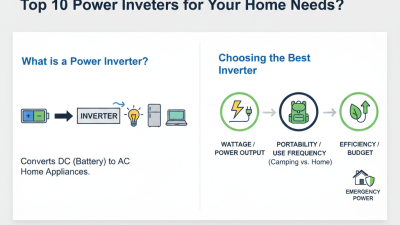
Off-grid inverters play a crucial role in sustainable energy systems. They convert direct current (DC) from renewable sources into alternating current (AC). This makes it possible to power household appliances. Many homes are moving towards energy independence. They want to reduce reliance on the grid. This shift is important for both environmental and economic reasons.
The installation of off-grid inverters can be complex. Users must consider various factors such as capacity and energy needs. A poorly sized inverter can lead to inefficiencies. Regular maintenance is also vital for optimal performance. Neglecting this can result in power loss or equipment failure. Users should educate themselves about the technology.
Moreover, choosing the right inverter is not always straightforward. It requires understanding solar energy systems and battery technology. Each choice has its own set of challenges. Some options may not provide adequate support for heavy loads. Others might be too expensive for residential use. Users should weigh their options carefully.
Top Off Grid Inverter Options for Sustainable Energy Solutions
This chart displays the efficiency and capacity ratings of various off-grid inverters, which are essential for sustainable energy solutions. Monitoring these metrics helps in choosing the right inverter based on energy needs and sustainability goals.
Top Off Grid Inverter Brands and Models for Efficient Energy Solutions
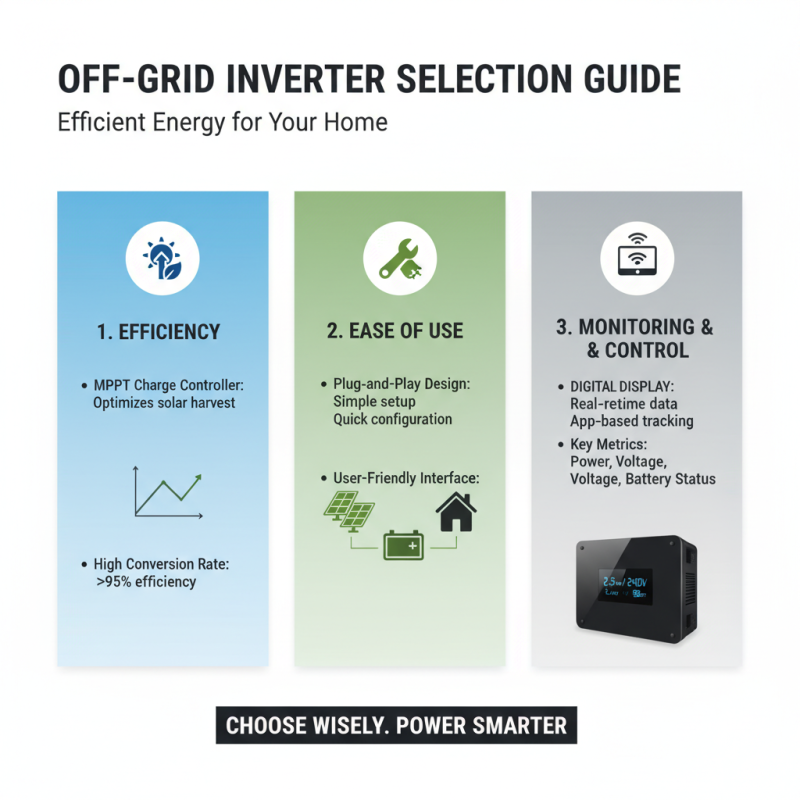
When considering off-grid inverters, their efficiency is paramount. Recent industry reports indicate that inverter efficiency can significantly impact energy output. High-quality models can achieve up to 95% efficiency, translating directly to power savings. This translates into reduced energy waste for users. Choosing the right model is not just about brands; it’s about matching the inverter to your energy needs.
A common issue is the mismatch between inverter capacity and system requirements. Oversized inverters can lead to efficiency losses. On the other hand, under-sized units may struggle to keep up with power demand. A study showed that optimizing the inverter size could enhance performance by as much as 30%. It’s essential to assess load requirements carefully. Data also suggests that an all-in-one inverter system generally offers ease of installation. However, flexibility in using separate components can lead to enhanced adaptability.
User feedback is critical for understanding model efficacy. Many users report issues with long-term durability and customer support. The off-grid market is diverse, and not every product is built to last. Effective warranties and customer service are often overlooked but crucial factors. Reviewing detailed specifications and customer reviews can reveal insights into recurring problems. This helps potential buyers make informed decisions while mitigating future regrets.
Top Off Grid Inverter Options for Sustainable Energy Solutions
| Model |
Power Output (W) |
Efficiency (%) |
Battery Compatibility |
Weight (lbs) |
Warranty (Years) |
| Inverter Model A |
3000 |
90 |
Lithium, AGM |
50 |
5 |
| Inverter Model B |
5000 |
93 |
Lead Acid, Lithium |
60 |
7 |
| Inverter Model C |
4000 |
92 |
AGM, Gel |
55 |
4 |
| Inverter Model D |
2500 |
88 |
Lithium |
48 |
3 |
Installation and Maintenance Tips for Off Grid Inverters
Installing an off-grid inverter is crucial for a sustainable energy system. Begin by selecting a suitable location. The area should be dry and well-ventilated. Moisture can harm the inverter over time. Ensure that it’s easily accessible for maintenance. Space is key. You need room for cable connections and airflow.
Wiring is another essential part. Always use the correct gauge wires. Overloading wires can cause overheating. Follow local electrical codes to prevent hazards. Regular maintenance is important. Check connections for wear or corrosion every few months. Dust can accumulate, so clean the inverter periodically.
Consider battery health. Charge cycles impact longevity. Monitor battery levels often. This avoids unexpected power shortages. If you notice significant drops in performance, it might be time to replace them. Understanding your system's needs can lead to better decisions. Each setup is unique, and learning from issues is part of the journey.
Future Trends in Off Grid Inverter Technology and Sustainable Energy Solutions
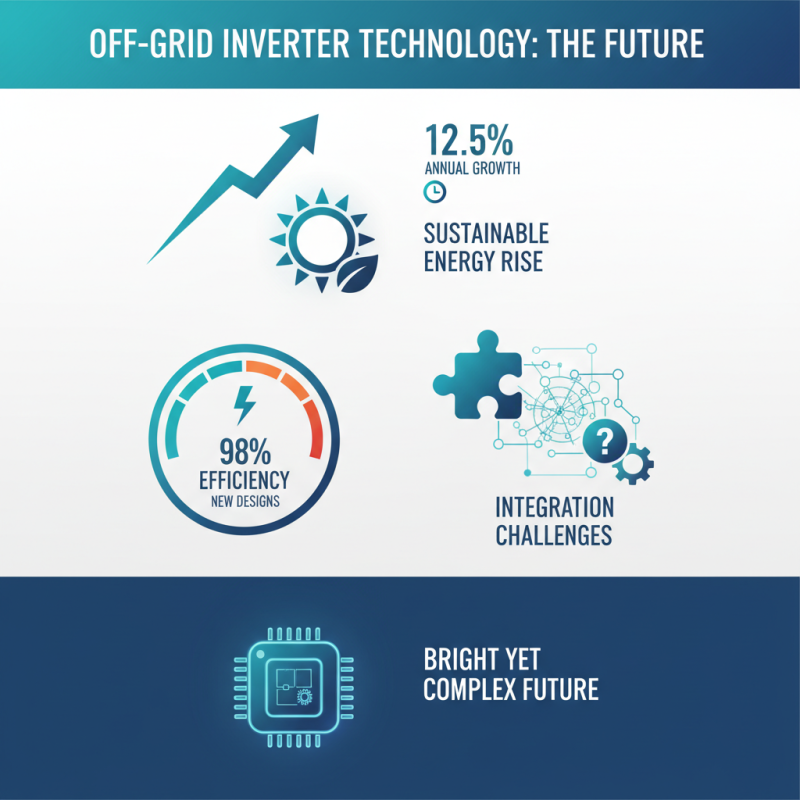
The future of off-grid inverter technology is bright yet complex. Recent industry reports predict a growth rate of 12.5% annually in this sector. As demand for sustainable energy rises, advancements in inverter efficiency will be vital. New designs may reach conversion efficiencies of up to 98%. However, this won't solve all issues. Many users still face integration challenges with existing technologies.
The shift towards hybrid systems is also evident. Many companies are exploring energy storage options integrated with inverters. Reports indicate that by 2026, 40% of all new installations will include battery systems. This could enhance reliability but raises questions about lifespan and system management. Users need to reflect on their specific energy needs. Over-specifying systems can lead to wasted resources.
Emerging technologies, like smart inverters, bring fresh opportunities. These devices can optimize energy usage dynamically, yet they demand user education and adaptive strategies. Early adopters experience benefits, but less tech-savvy individuals may struggle. Balancing technology with user readiness is crucial in this evolving landscape.