Top 10 Off Grid Inverter Solutions for Sustainable Living in China?
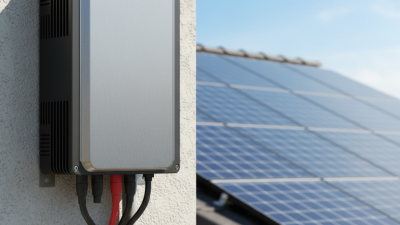
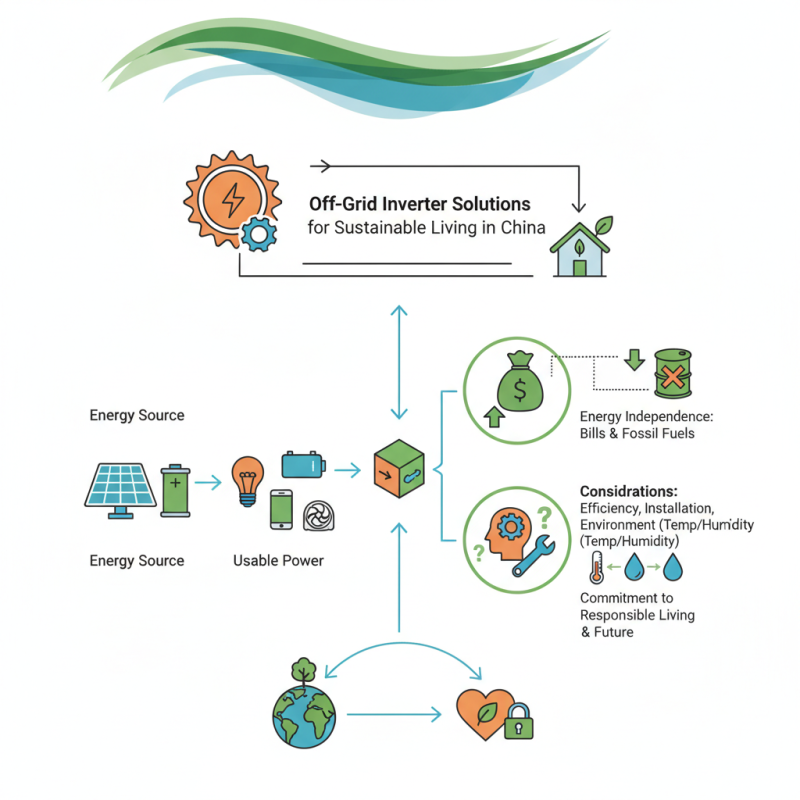
In China, sustainable living is becoming increasingly important. As urbanization grows, many seek alternatives to traditional energy sources. Off Grid Inverters offer a viable solution for those looking to disconnect from the grid. These devices convert stored energy from solar panels or batteries into usable power.
The use of Off Grid Inverters allows for energy independence. This independence can reduce reliance on fossil fuels and lower monthly utility bills. However, not all inverters are created equal. Some may lack efficiency or reliability, leading to wasted resources. It is crucial to choose the right inverter based on specific needs and power requirements.
People often overlook installation complexity. Proper setup and maintenance are vital. In addition, the environment can impact inverter performance. Factors such as temperature and humidity must be considered. Evaluating these challenges can help foster a more sustainable future. Off Grid Inverters represent more than just a trend; they embody a commitment to responsible living.
Top Off Grid Inverters for Sustainable Living: An Overview
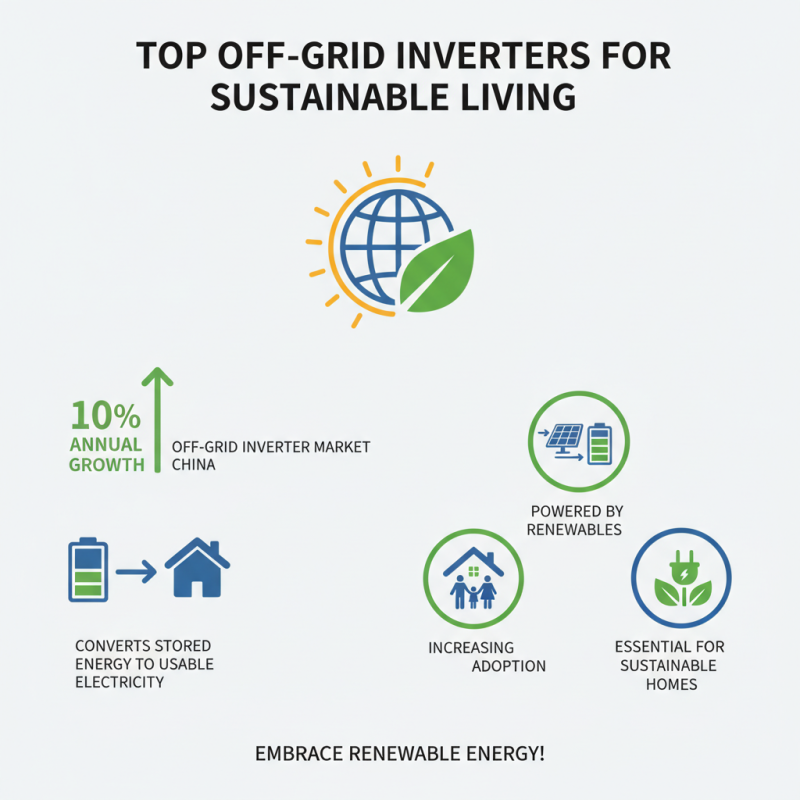
As the demand for sustainable living solutions grows, off-grid inverters have become essential for many households in China. These devices convert stored energy from batteries into usable electricity. Recent industry reports show that the off-grid inverter market is expected to grow by over 10% annually. This means more families are considering renewable energy sources.
Choosing the right inverter is crucial. Options vary widely in efficiency, capacity, and cost. Some inverters support solar and wind energy systems, which makes them versatile. Statistics indicate that a high-quality inverter can reduce overall energy costs by up to 30%. However, many users often overlook the importance of proper sizing and installation, leading to inefficiencies.
Despite their advantages, challenges remain. Not all inverters can handle peak demands effectively, which can lead to power outages during high usage. Moreover, maintenance is often neglected, affecting their longevity. Users need to consider these factors to maximize their investment in renewable energy technologies. The future of sustainable living in China relies on informed choices and ongoing education about these systems.
Key Features to Consider When Choosing Off Grid Inverters
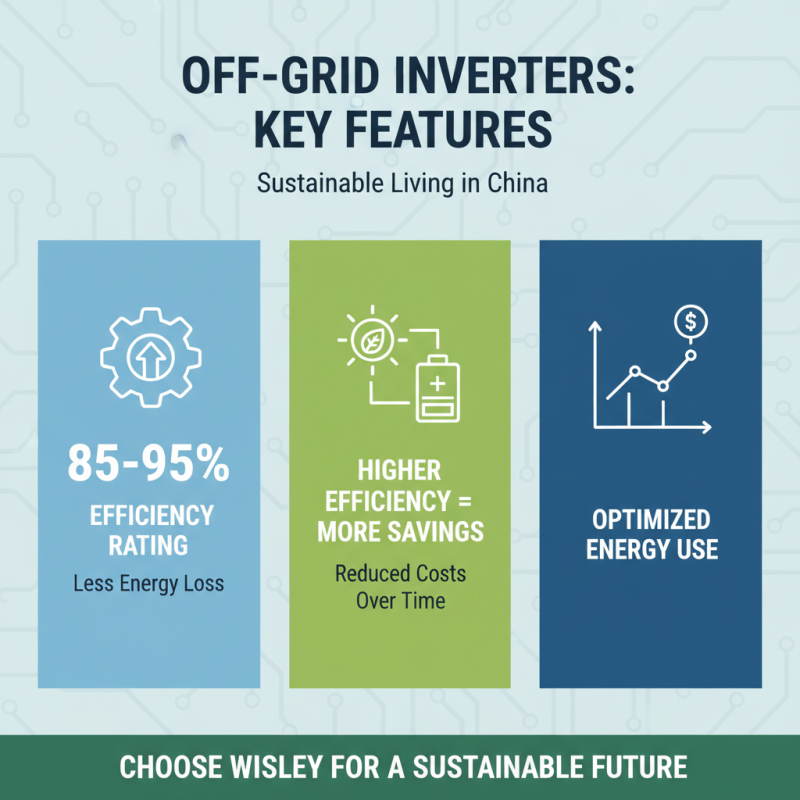
When choosing off-grid inverters for sustainable living in China, several key features demand attention. Efficiency ratings are crucial; inverters typically range from 85% to 95%. The higher the efficiency, the less energy loss in the conversion process. A study indicates that well-chosen inverters can significantly enhance overall energy savings, reducing costs over time.
Another vital aspect is the inverter type. There are pure sine wave and modified sine wave inverters. Pure sine wave inverters provide cleaner power and are compatible with more devices. This is important for managing sensitive electronics effectively. Compatibility affects the longevity of devices, especially in remote areas where replacements aren't accessible.
**Tips:** Always check the warranty and lifespan. A reliable unit can last over a decade. Solar Energy International notes that user reviews can shed light on long-term performance. Also, consider the inverter's surge capability. This feature can handle temporary spikes in power demand, safeguarding your system against overload.
Monitoring options are increasingly popular as well. Smart inverters offer real-time data on performance and energy consumption. This insight promotes better energy management, ultimately leading to more sustainable usage. Investing in such technology can seem daunting, but it empowers users with critical information.
Comparison of Power Output: Best Off Grid Inverters in China
In recent years, off-grid living has gained traction in China, promoting a sustainable lifestyle. When evaluating off-grid inverters, power output is a critical factor. Choosing the right inverter can impact energy efficiency significantly. A well-designed inverter should seamlessly convert solar energy into usable power. For outdoor adventures or remote living, the need for reliable energy cannot be overstated.
Different off-grid inverters present varying power outputs. Some models excel at converting higher voltages, providing consistent electricity even during cloudy days. Others cater to smaller energy needs, ideal for minimalistic lifestyles. It's essential to assess daily consumption rates. By understanding personal energy needs, users can select an appropriate inverter.
Yet, not all inverters are created equal. Efficiency ratings may be misleading, so thorough research is crucial. Some units may struggle under heavy loads, leading to unexpected downtime. Additionally, installation challenges can arise, impacting overall performance. These factors require careful consideration in the decision-making process. Evaluating real-world usage experiences can guide potential buyers in making informed choices.
Cost Analysis of Off Grid Inverter Solutions for Sustainable Living
Sustainable living in China is increasingly dependent on off-grid inverter solutions. The initial investment can be substantial. Reports indicate costs ranging from $1,500 to $4,000 per system, including installation. This might seem daunting, but the long-term savings on electricity bills often outweigh these upfront expenses.
For instance, a study by the Chinese Renewable Energy Society suggests that off-grid systems can recover the initial investment within 5 to 7 years. The reduction in carbon footprint is another compelling factor. Utilizing solar energy not only lowers energy costs but also aligns with government initiatives promoting a greener lifestyle.
However, users may face challenges, such as maintenance costs and system efficiency fluctuations. Regular upkeep can add an extra $100 to $300 annually. Furthermore, integrating battery storage is often essential but can increase overall costs. Evaluating these factors is crucial for anyone considering off-grid living in China.
Top 10 Off Grid Inverter Solutions for Sustainable Living in China - Cost Analysis
| Solution Type |
Power Rating (kW) |
Efficiency (%) |
Cost (USD) |
Warranty (Years) |
| Solar Inverter |
5 |
95 |
800 |
10 |
| Wind Inverter |
3 |
90 |
600 |
8 |
| Hybrid Inverter |
5 |
92 |
1200 |
10 |
| Micro Inverter |
1 |
95 |
200 |
15 |
| Battery-Based Inverter |
4 |
88 |
500 |
7 |
| String Inverter |
6 |
94 |
700 |
10 |
| Off Grid Inverter |
10 |
90 |
1500 |
5 |
| Grid-Tie Inverter |
8 |
97 |
1000 |
10 |
| Integrated Inverter |
12 |
85 |
2000 |
6 |
| Multi-Function Inverter |
7 |
89 |
900 |
8 |
Impact of Off Grid Inverters on Renewable Energy Adoption in China
Off-grid inverters play a crucial role in promoting renewable energy adoption in China. They convert direct current from solar panels into alternating current for home use. This technology empowers households to rely on clean energy sources, reducing dependence on fossil fuels. As more individuals adopt these systems, the demand for renewable energy solutions increases.
In recent years, the awareness of sustainability has grown significantly. Off-grid systems help alleviate stress on the grid and lower energy costs. However, it is essential to acknowledge that not all regions have equal access to renewable resources. Economic disparity impacts the ability of communities to invest in off-grid technology.
Tips for those considering off-grid systems include assessing local sunlight and wind patterns. Understanding resource availability is crucial for optimizing energy systems. Additionally, always consider the long-term cost savings against initial investments. Off-grid solutions are not universally perfect. Be mindful of maintenance needs and possible technology failures. Embrace a mindset of continuous improvement in energy solutions.
Impact of Off Grid Inverters on Renewable Energy Adoption in China