Top 10 Best Power Inverters for Your Needs in 2026?
In the rapidly evolving world of power solutions, the demand for reliable power inverters is more crucial than ever. Experts in the industry, such as Dr. Emily Carter, emphasize that “a quality power inverter can transform how we utilize energy on the go.” With advancements in technology, the options available today cater to various needs, from outdoor adventures to emergency backup solutions.
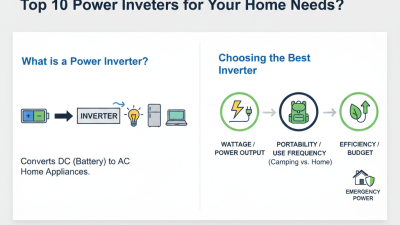
Power inverters convert DC power to AC power, enabling users to run essential devices anywhere. As our reliance on portable electronics grows, selecting the right inverter becomes vital. Poor choices can lead to inefficiencies or power failures at critical moments. This underscores the importance of understanding specifications, types, and buying factors.
Navigating the market's many offerings can be overwhelming. Consumers often face challenges in balancing price, performance, and features. Therefore, it’s imperative to seek guidance and consider expert recommendations. In this guide, we will explore the top 10 best power inverters for your needs in 2026, focusing on quality, functionality, and user experience.
Understanding Power Inverters: Types and Functions
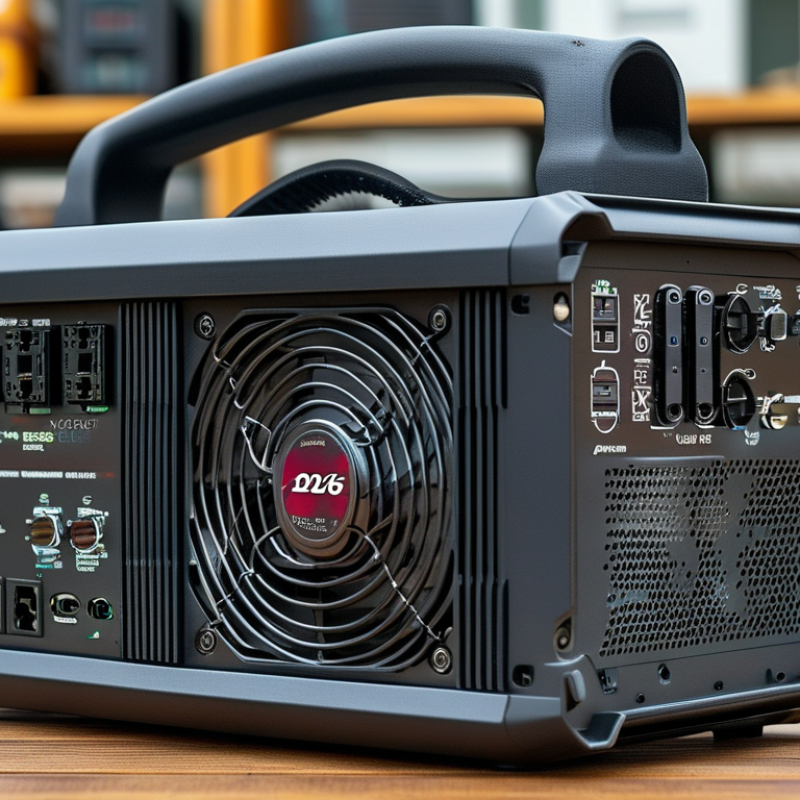
Understanding power inverters is crucial for ensuring a smooth energy transition. These devices convert DC electricity from batteries into AC power. They come in various types, including pure sine wave, modified sine wave, and square wave. Pure sine wave inverters are generally preferred for sensitive electronics. Modified sine wave models are more cost-effective but may cause problems with certain devices.
When choosing a power inverter, consider its capacity and efficiency. Calculate your power needs to find the right inverter size. A smaller inverter may seem appealing due to cost, but it could lead to performance issues. Power loss during conversion is another factor; higher efficiency means less wasted energy.
Tips: Check the inverter’s continuous and peak power ratings. Gauge how much power you'll need for your devices. Portable models are great for camping trips but may not handle heavy appliances. Always ensure your inverter matches the wattage requirements of your equipment. Remember, choosing an inverter is not just about immediate needs; think long-term. A reliable inverter can save money and energy down the line.
Top 10 Best Power Inverters for Your Needs in 2026
| Model |
Power Output (W) |
Input Voltage (V) |
Output Waveform |
Weight (lbs) |
Price Range ($) |
| Model A |
3000 |
12 |
Pure Sine Wave |
5.5 |
150-200 |
| Model B |
2000 |
24 |
Modified Sine Wave |
4.0 |
100-150 |
| Model C |
1500 |
12 |
Pure Sine Wave |
3.5 |
80-120 |
| Model D |
5000 |
48 |
Pure Sine Wave |
8.5 |
250-300 |
| Model E |
1000 |
12 |
Modified Sine Wave |
2.5 |
50-80 |
| Model F |
600 |
12 |
Modified Sine Wave |
2.0 |
30-50 |
| Model G |
750 |
12 |
Pure Sine Wave |
3.0 |
40-70 |
| Model H |
1200 |
24 |
Modified Sine Wave |
4.2 |
70-110 |
| Model I |
1600 |
12 |
Pure Sine Wave |
3.8 |
90-130 |
| Model J |
4000 |
48 |
Pure Sine Wave |
7.5 |
200-250 |
Key Factors to Consider When Choosing a Power Inverter
When choosing a power inverter, several key factors should guide your decision. Start with the wattage requirement. Consider the devices you plan to power. An inverter should have enough wattage to support your needs without straining. If your devices collectively require 800 watts, select an inverter that offers at least 1000 watts for safety. This buffer can prevent overheating and extend the inverter's lifespan.
Next, look into the inverter type. There are mainly two types: pure sine wave and modified sine wave. Pure sine wave inverters are more efficient and safer for sensitive electronics. In contrast, modified sine wave inverters are often cheaper but can cause some devices to malfunction or lose efficiency. Assessing your specific devices will help you make an informed choice here.
Portability is another factor to consider. If you need to move the inverter often, weight and size become essential. Compact and lightweight models are ideal for camping or road trips. Support and warranty also matter. A reliable warranty indicates confidence in the product. It's worthwhile to research common issues users face post-purchase. Reflecting on your needs and weighing these factors will enhance your selection.
Top 10 Power Inverters of 2026: Features and Specifications
When choosing a power inverter, it's essential to understand their features and specifications. The best models of 2026 provide a range of options for different needs. Most inverters feature a modified sine wave or pure sine wave output. Pure sine wave inverters are generally recommended for sensitive electronics.
Consider the wattage capacity before making a purchase. A unit with at least 1000 watts can power small appliances. Charging capacity varies significantly between models. Some can charge multiple devices simultaneously, which is a vital feature for users with several gadgets. Pay attention to safety features like overload protection and thermal shutdown.
Tips: Always check the inverter’s efficiency rating. A higher efficiency means less wasted energy. Reading user reviews can reveal real-world performance. Additionally, maintenance can play a role in longevity. Regularly inspect connections and cords. Dust and debris can cause overheating or failure. Choose products that allow for easy maintenance when feasible.
User Reviews and Recommendations for the Best Power Inverters
When choosing a power inverter, user reviews provide invaluable insights. Many individuals highlight the importance of efficiency. Users appreciate inverters that maintain power without overheating. They often mention how reliable charging is during camping trips or emergencies.
Tips: Always check wattage capacity. Know your needs before buying. This ensures you won’t overload your inverter. Power stability is crucial. Look for models that handle surges well. User experiences suggest that less known brands can also perform effectively.
Some reviews caution against overly complex features. While advanced options can be appealing, not all users need them. Many prefer straightforward designs that deliver power efficiently. Also, consider size and weight, especially if portability is essential for your activities. A heavy inverter could become a hassle during travels.
Future Trends in Power Inverter Technology and Market Growth
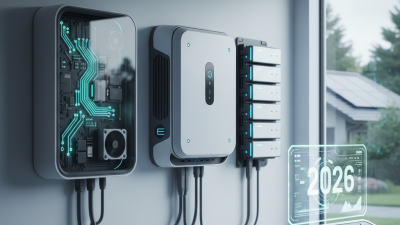
The power inverter market is on the brink of transformation. By 2026, several trends are emerging that promise to redefine how we harness and use electrical energy. One notable trend is the integration of smart technology. New inverters will feature advanced monitoring systems that provide real-time data on energy consumption. This allows users to optimize efficiency.
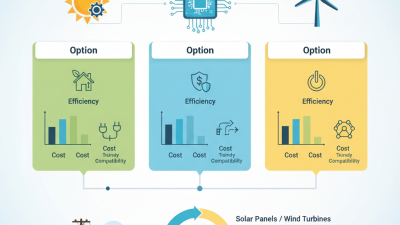
Moreover, renewable energy sources are driving innovation. Manufacturers are increasingly focusing on inverters that can seamlessly integrate with solar and wind systems. These modern devices will enable users to store energy more effectively. However, challenges remain. The primary concern is ensuring compatibility with existing systems. As technology evolves, users need inverters that can adapt.
Battery technology is also evolving. Next-generation batteries will demand inverters that can handle higher power loads. This could lead to significant improvements in performance. Yet, not all advancements will be flawless. As with any tech, there will be hurdles to overcome. The focus on eco-friendly solutions may not always align with consumer demand for cost-effectiveness. The future is bright but complex. Navigating these changes will require careful analysis and a willingness to adapt.
Top 10 Best Power Inverters for Your Needs in 2026
This chart illustrates the projected market demand for different power inverter capacities in 2026. The demand shows a significant trend towards lower wattage inverters for personal and mobile use, while higher wattages remain in demand for commercial applications.