What is a Power Switch and How Does it Work in Electronics?
In today's fast-paced electronics industry, the power switch plays a crucial role in device functionality. According to a recent report from MarketsandMarkets, the global power switch market is projected to reach USD 8 billion by 2025. This growth reflects the increasing demand for efficient power management solutions across various sectors, including consumer electronics, automotive, and industrial applications.
A power switch controls the flow of electricity, functioning as the gateway to on/off operations in electronic devices. Its design and reliability are vital. Factors such as load capacity and response time significantly influence device performance. Notably, inefficient power switches can lead to energy losses, often exceeding 10% in some applications. This highlights the need for continuous innovation and improvements in switch technologies.
While many devices now integrate advanced power switches, challenges remain. Aging infrastructure and the complexity of new technologies can hinder optimal performance. Addressing these issues requires collaboration between engineers and manufacturers, ensuring that power switches remain reliable and effective in an evolving market.
What is a Power Switch in Electronics?
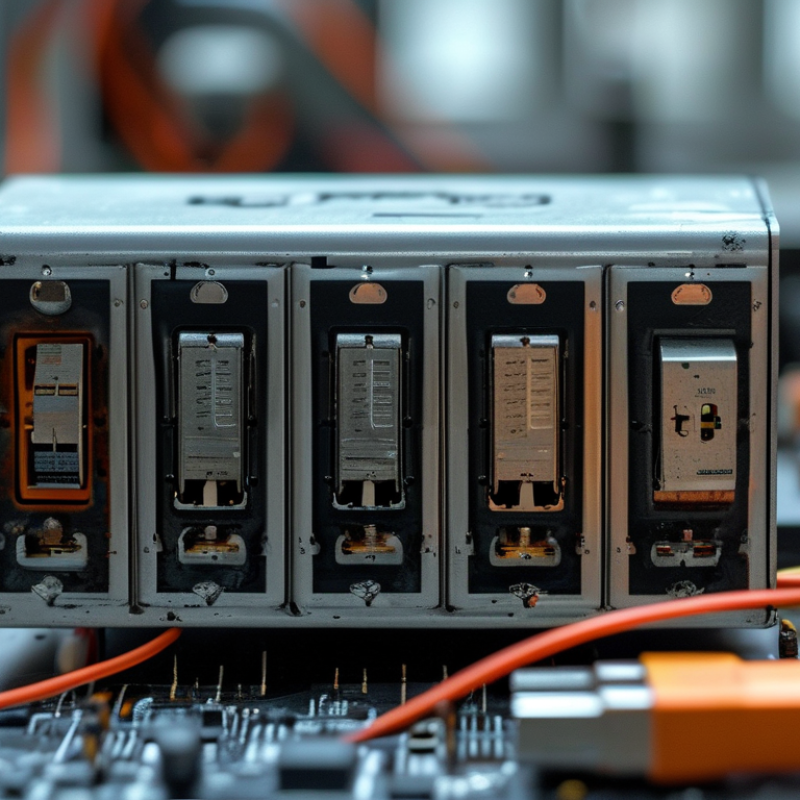
A power switch in electronics is a crucial component that controls the flow of electricity. It allows users to turn devices on or off effectively. Typically, power switches come in various designs, such as toggle, push-button, or rotary switches. Each type offers different advantages depending on its application. Understanding how these switches function helps in selecting the right switch for specific projects.
When the switch is activated, it creates a path for electricity to flow. This action either connects or disconnects the circuit. In simpler terms, pressing a button may transfer power to a light bulb, illuminating the room. However, the internal construction of switches can vary widely. This variability can lead to usability challenges.
Tips: Always check the specifications of a power switch before use. Some switches may handle less voltage or current than expected. Also, consider the environment where the switch will be used. Certain materials may degrade more quickly in humid or dusty conditions. Regular testing ensures reliability.
Assessing the switch's design is essential. A poorly designed switch may result in short circuits or unintentional activation. Understanding these aspects can enhance your project's effectiveness and safety. Electronics is about precision, and even small miscalculations can lead to failure.
What is a Power Switch and How Does it Work in Electronics?
| Dimension |
Description |
| Type of Power Switch |
Mechanical, Electronic, Relay, Solid State |
| Operation Mechanism |
Manual actuation, Automatic switching, Remote control |
| Common Applications |
Home appliances, Computers, Industrial machines, Automotive systems |
| Power Ratings |
Low (< 1A), Medium (1A - 10A), High (> 10A) |
| Key Features |
Durability, Ease of use, Safety features, Size |
| Safety Standards |
UL, CE, RoHS, IEC |
Types of Power Switches and Their Applications
Power switches are fundamental components in electronic systems. They control the flow of electricity and enable devices to function properly. There are various types of power switches, each suited for different applications. Understanding these types can aid in designing efficient circuits.
Mechanical switches are widely used. They physically open or close a circuit with a manual action. These switches are reliable, but they can wear out over time. In contrast, solid-state switches, such as transistors, allow for faster switching speeds. They offer durability and are less prone to failure, yet they may require more complex control electronics.
Relays also play a crucial role in power switching. They use electromagnetism to activate a switch. Relays can handle large currents, making them ideal for industrial applications. However, they are bulkier and may introduce delays in switching. Each type of switch comes with its pros and cons, emphasizing the need for careful consideration in selection.
How Power Switches Function in Electrical Circuits
Power switches are vital components in electrical circuits. They control the flow of electricity. A power switch can be a simple toggle or a sophisticated relay. When activated, it closes the circuit, allowing current to pass. This enables devices to turn on. When deactivated, the power flow stops. This basic mechanism is crucial for various applications in electronics.
Understanding how power switches function is essential for effective circuit design. A traditional switch can be mechanical or electronic. Mechanical switches require physical interaction to operate. In contrast, electronic switches use electronic signals. This makes them faster and more reliable. Depending on the application, different switch types are used. Selecting the appropriate switch type influences efficiency and performance.
Tips: Always check the switch rating before use. Ensure it matches your circuit’s voltage and current. This helps prevent overheating and damage. Additionally, consider the environment where the switch will be used. Some switches are better for harsh conditions than others. Make informed decisions to enhance your circuit design.
Key Components of a Power Switch
Power switches are vital components in electronic devices, controlling the flow of electricity. A comprehensive understanding of their key components helps in grasping how they function effectively. These components include semiconductors, resistors, and capacitors. Each plays a critical role in switching operations and overall performance.
Semiconductors, often used in power switches, can handle high voltages and currents. According to the International Journal of Electronics, advanced semiconductor technology enhances the efficiency of power switching by up to 40%. This means that better materials can lead to reduced energy loss. Resistors limit current and protect components from damage. Meanwhile, capacitors store and release electrical energy, helping to smooth out voltage fluctuations during operation.
Real-world applications of power switches vary widely, from consumer electronics to industrial machinery. However, challenges exist. Not all switches react quickly enough to changes in the electrical environment. This can lead to inefficiencies. Additionally, the thermal management of these components often requires improvements for higher performance systems. Despite these challenges, the ongoing development in materials and design techniques promises better solutions.
Power Switch Usage in Electronics
Common Troubleshooting Tips for Power Switch Issues
When dealing with power switch issues, homeowners often encounter puzzling problems. Understanding common troubleshooting methods can enhance your confidence in fixing these issues.
One frequent issue is a non-responsive switch. Check the power source first. Sometimes, the outlet itself may be faulty. Use a multimeter to test voltage levels. If the switch has power but still isn't functioning, it might be worn out. In that case, consider replacing the switch to restore functionality.
Another common issue is flickering or unstable power. This can indicate a poor connection within the switch. Inspect the wiring for loose connections or damage. Ensure all screws are tightened properly. If you're uncomfortable working with electrical components, don’t hesitate to consult a professional. Remember, safety is paramount when dealing with electricity. These tips can guide you through basic troubleshooting. But reflection is key; always assess your comfort level when handling electrical repairs.