2026 Best Voltage Inverter Options for Global Buyers?
In the world of energy solutions, the search for the best voltage inverter options is ever-present. Experts like Dr. Evelyn Hart, a leading authority in energy technology, emphasize the importance of selecting the right device. She states, "A reliable voltage inverter is essential for optimizing energy usage in today’s fast-paced environment."
Choosing a voltage inverter can be complex. There are many brands and features to consider. Some options may lack efficiency or durability. Making an informed decision is crucial for both residential and commercial users. Global buyers need to identify products that meet specific needs.
Market trends reflect a growing demand for efficient voltage inverters. Reliability, energy efficiency, and advanced technology are key factors. However, many products can fall short of expectations. It's essential to research and reflect on various choices before committing to a purchase. Understanding these elements will guide buyers toward a meaningful investment in voltage inverters.
2026 Trends in Voltage Inverter Technology for Global Markets
The voltage inverter market is evolving rapidly. New technologies are emerging, impacting how we harness energy. In 2026, a few trends stand out in voltage inverter technology. Renewable energy systems are pushing demand for efficient inverters. Advanced features like smart monitoring are now essential. Users want to track performance in real-time.
Efficiency is becoming a key focus. Inverters must convert power with minimal loss. Designers aim for lightweight solutions. However, many products still face challenges in durability. Some inverters struggle in extreme weather conditions. It's crucial for manufacturers to address these issues.
Battery integration is also gaining momentum. As energy storage becomes more common, inverters need to adapt. This shift can enhance energy management but raises concerns about compatibility. New standards may be necessary for a seamless connection. While advancements are encouraging, continuous improvement remains vital for consumer trust.
Key Factors Influencing Voltage Inverter Performance Metrics
When choosing a voltage inverter, several key factors can significantly influence performance metrics. Efficiency rates often range from 85% to 95%. This variability is crucial for users aiming for optimal energy conservation. Higher efficiency means less energy loss, which translates to reduced costs in the long run. According to a recent report from the International Energy Agency (IEA), improving inverter efficiency can lead to energy savings of up to 20% in residential applications.
The total harmonic distortion (THD) is another essential aspect. It measures the distortion of the output waveform. A lower THD percentage is preferable, ideally under 5%. Devices with high THD can cause malfunction or damage sensitive electronics. Recent studies suggest that inverters with optimized THD rates enhance the lifespan of connected devices significantly, providing a better return on investment.
Power ratings play a vital role in matching the right inverter to specific applications. The rating must exceed the load demand to ensure seamless operation. Oversizing might lead to unnecessary costs, while undersizing could cause system failures. As the renewable energy sector grows, understanding these factors becomes critical for maximized performance and reliability. Users should analyze their specific needs carefully and consider the broader implications of their inverter choices.
Top Brands and Models of Voltage Inverters for International Buyers
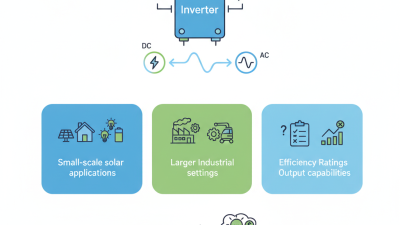
When selecting a voltage inverter, global buyers should focus on quality and reliability. Many brands offer diverse options, yet not every choice suits every need. Understanding specifications is crucial. Look for inverters that provide efficient power conversion. Pay attention to power output, surge capacity, and efficiency ratings.
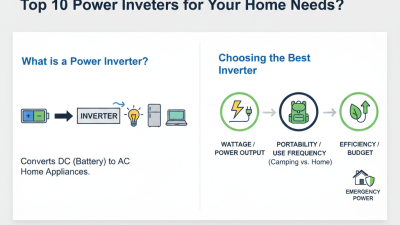
Consider your specific usage scenarios. For instance, if you travel frequently, portability could be a significant factor. Some inverters are designed to be compact, while others prioritize power output. If you work from different locations, versatility is essential. Ensure the model you select accommodates various devices.
**Tips**: Always check user reviews. They reveal real-world performance insights. Additionally, consider warranty details; a good warranty indicates manufacturer confidence. It's wise to think about future needs as well. An inverter that meets your requirements today may fall short tomorrow. Invest in an upgradeable model if possible.
2026 Best Voltage Inverter Options for Global Buyers
Comparative Analysis of Inverter Efficiency Ratings and Standards
Efficiency ratings are crucial when selecting a voltage inverter. These ratings determine how much energy is converted into usable power versus how much is lost in the conversion process. According to the International Electrotechnical Commission (IEC), inverters should achieve at least 90% efficiency to be considered effective. However, many high-end models can reach efficiencies upwards of 96% under optimal conditions.
Standards for inverter efficiency vary globally. The Energy Star program and the European Union's EcoDesign regulations play significant roles in establishing benchmarks. For instance, in Europe, new regulations require inverters to meet a minimum efficiency of 95% at rated load. This can be an important consideration for buyers seeking to reduce energy costs and environmental impact. Yet, not all models achieve these ratings consistently.
Consumers should reflect on the trade-offs when choosing inverters. Higher efficiency often comes with increased upfront costs. While some buyers prioritize performance, the long-term savings might not justify the initial investment. Additionally, factors such as installation conditions and load variability can affect actual performance. Potential buyers must weigh these complexities carefully.
Future Outlook: Innovations Shaping the Voltage Inverter Industry in 2026
In the evolving landscape of voltage inverters, innovations are transforming the industry. By 2026, energy efficiency will be significantly enhanced. New designs will focus on compactness and efficiency, allowing more power in smaller units. This shift will cater to the growing demand for renewable energy solutions, particularly in residential applications.
Smart technology integration holds promise. Future inverters may feature advanced monitoring systems, enabling real-time performance analysis. Users could receive alerts and updates, ensuring optimal operation. However, the reliance on smart technology sparks questions. Will users be equipped to handle complex systems? Education and support will be critical.
Sustainability will shape the future. Manufacturing processes are likely to adopt greener practices. However, achieving this goal is not straightforward. Transitioning to sustainable materials can be challenging. The industry must balance innovation with environmental responsibility while addressing the need for reliable products.