Leave Your Message

Top Grid Tie Inverters for Home and Business

A rooftop solar system can look simple from the street: dark panels, a conduit, and a meter beside the building. Behind that quiet setup, the Grid Tie Inverter performs a demanding job. It converts the panels’ direct-current electricity into alternating current that can serve household loads and interact with the utility grid. The right choice affects energy yield, monitoring, noise, installation options, and future maintenance. Small details matter. A shaded roof section, a crowded electrical room, or a business’s uneven daytime demand can change which design makes sense.

PV systems specialist John Wiles is often associated with a practical principle: select inverter equipment for the complete system, not just its headline power rating. This is a paraphrase, not a verbatim quotation. It captures an important point for homeowners and businesses comparing products. Efficiency figures deserve attention, but they do not tell the whole story. Check the inverter’s capacity against the array, review its operating range, and consider protection features, monitoring access, warranty terms, and local service support. For commercial sites, expansion plans and load patterns also deserve a close look. A low purchase price can be tempting. It is not the whole calculation. This guide compares leading grid-tie options for homes and businesses, explains the trade-offs behind their specifications, and highlights questions worth asking an installer. Some choices remain imperfect; a feature that helps one site may add cost or complexity to another. The goal is a dependable match, not a flashy spec sheet.
Top Grid Tie Inverters for Home and Business

What Grid-Tie Inverters Do in Solar Power Systems

A grid-tie inverter connects a solar array to the building’s electrical system and the utility grid. Solar panels produce direct current, but household and commercial equipment uses alternating current. The inverter converts that power, then continually adjusts its output to match the grid’s voltage and frequency. Think of it as a careful translator, not just a plug adapter.

Scale matters. The IEA Photovoltaic Power Systems Programme’s Snapshot of Global PV Markets 2024 estimated that about 407 GW of solar capacity was added worldwide in 2023. Across all those installations, inverters also monitor output and respond to grid changes. If utility power fails, a properly configured grid-tie system stops exporting electricity, helping protect workers repairing lines. That pause can surprise owners expecting panels to power the building during an outage.

Some systems pair an inverter with battery storage and backup controls, but a standard grid-tie inverter alone does not provide outage power. For home or business planning, check the inverter’s rated capacity against the array, its monitoring features, and the site’s service-panel limits. Details matter. Shade, heat, and uneven roof angles can complicate actual production, and a neat estimate may still miss them. An experienced installer should assess those conditions and explain how the proposed equipment will behave on a cloudy afternoon or during a grid interruption.
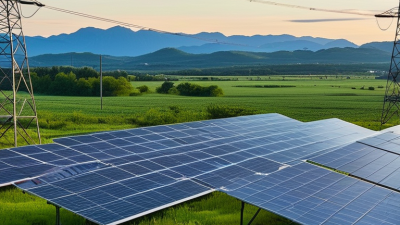
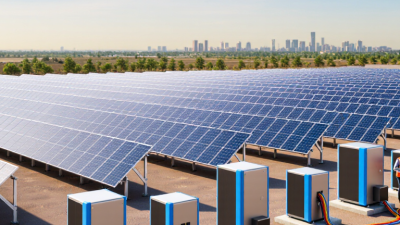
What a Grid-Tie Inverter Does in a Solar Power System

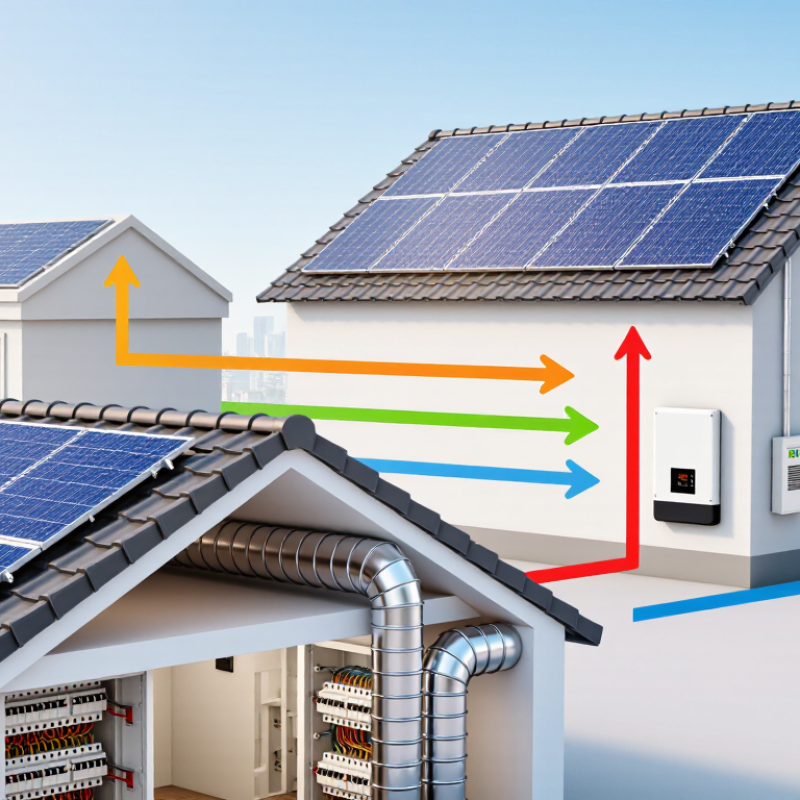
A grid-tie inverter converts the solar array’s direct current (DC) into alternating current (AC) for use in a home or business. It synchronizes its output with the grid and, where required, disconnects during a grid outage to help prevent unsafe backfeeding. This example assumes 98% conversion efficiency; actual efficiency varies by inverter and operating conditions.

How Grid-Tie Inverters Convert and Share Electricity

A grid-tie inverter turns the direct current from solar panels into alternating current used by ordinary appliances. It continually adjusts the output’s voltage, frequency, and phase to match the utility supply. This synchronization lets electricity flow safely between a building and the grid. The grid is not a battery.

When panels produce more power than a home or business is using, the surplus can flow outward through the service connection. A suitable meter records energy moving in each direction, according to the local metering setup. On a bright afternoon, rooftop panels might run office lights and equipment while sending excess power to the grid. When clouds pass or demand rises, the building can draw power back. That balance changes minute by minute.

The inverter also monitors grid conditions. If utility power fails, most standard grid-tied systems shut down automatically to prevent energizing lines during an outage. Keeping essential circuits powered then requires properly designed backup equipment, such as a compatible battery system. This detail is easy to overlook. Before installation, review the building’s loads, panel capacity, and utility connection with a qualified electrical professional; actual output will vary with shade, temperature, and system design.

Key Features for Residential and Commercial Use

A suitable grid-tied inverter should match the property’s solar array, electrical service, and daily energy use. For homes, useful features include multiple maximum power point trackers, clear app-based monitoring, and quiet operation. Separate trackers can help when roof panels face different directions or receive uneven shade. IEA PVPS estimated that 456 GW of solar capacity was added worldwide in 2023, showing how quickly systems are scaling. That matters. As installations grow, dependable monitoring can help owners spot underperformance before it becomes a costly surprise.

Commercial sites often need three-phase output, higher capacity, and monitoring across several arrays or buildings. Look for accessible performance data, fault alerts, and service-friendly components; a small fault is easier to address when its location is clear. Check the inverter’s operating temperature range and warranty terms against the site’s conditions. A sun-baked equipment room can be demanding. More features are not automatically better, though: extra settings may complicate maintenance, and I would compare actual needs before paying for them.

Tips: Ask an installer to model roof shading and expected output, then confirm the inverter’s capacity suits the array. Review monitoring access and service arrangements before installation. Keep the equipment area ventilated, and save the setup details for future troubleshooting.

Types of Grid-Tie Inverters and Their Best Applications

String inverters suit homes and businesses with broad, unshaded roof areas. Several solar panels feed one central unit, often mounted in a garage or utility room. This setup can be straightforward to monitor and maintain. However, shade on one panel can reduce output across its connected string, depending on system design. Roof layout matters.

Microinverters attach to individual panels, making them useful on roofs with multiple angles, chimneys, or partial shade. Each panel can operate more independently, and monitoring may reveal a weak panel sooner. The trade-off is more equipment on the roof, which can make access and replacement less convenient. Small details count.

Power optimizers sit at each panel and work with a central inverter. They can help manage panel-level differences while keeping the main conversion equipment in one location. For larger commercial arrays, string inverters may offer a practical balance of cost, service access, and performance, especially on open roofs. A hybrid inverter may suit a property planning battery storage, but backup power requires compatible equipment and proper system configuration. Standard grid-tied systems usually shut down during grid outages for safety. Choosing well means matching inverter type to shade, roof shape, service needs, and future storage plans.

Top Grid Tie Inverters for Home and Business - Types of Grid-Tie Inverters and Their Best Applications
Inverter Type How It Works Typical System Scale Key Advantages Best Applications Important Considerations
String inverter Connects one or more series-connected PV strings to a central inverter. Maximum power point tracking (MPPT) is usually managed per input or string group. Residential and small-to-medium commercial systems Established design, relatively simple system architecture, and convenient access for servicing. Homes or buildings with mostly unshaded panels on roof sections with similar orientation and tilt. Shade or panel mismatch within a string can reduce the output of other modules in that string. Grid-connected models shut down during a utility outage unless a separately designed backup system is installed.
Microinverter A small inverter is installed at each module or, in some designs, shared by a small number of modules. Conversion and MPPT occur close to the panels. Residential and small commercial systems Module-level power conversion and monitoring can help limit the effect of differences in panel orientation, performance, or localized shade. Roofs with multiple orientations, complex layouts, or partial shading; systems where module-level performance monitoring is useful. There are more units installed on the roof, so equipment access and replacement may involve roof work. Grid-tied operation alone does not provide power during a grid outage.
String inverter with DC power optimizers Module-level DC optimizers manage the operating point of individual panels and send conditioned DC power to a central string inverter. Residential and commercial systems Offers module-level optimization and monitoring while retaining a central inverter for DC-to-AC conversion. Systems with moderate shading, multiple roof planes, or a need to monitor panel-level output while using a central inverter architecture. The system has additional components and design requirements. Optimizers do not by themselves provide backup power; outage operation requires compatible equipment and a suitable backup configuration.
Hybrid grid-tie inverter Converts PV power for grid use and can manage energy flows to and from a compatible battery system. Residential and commercial systems with storage Can coordinate solar generation, battery charging, and grid interaction in one system architecture. Homes or businesses seeking battery storage for energy shifting, self-consumption, or designed backup capability. Backup during a grid outage is available only when the inverter, battery, transfer equipment, and system configuration support it. Battery capacity and power limits affect backup duration and loads served.
Three-phase commercial inverter Converts PV output to three-phase AC for connection to a compatible commercial electrical system; may use string-based or other centralized configurations. Commercial buildings, industrial sites, and larger distributed PV systems Designed for three-phase connections and larger system capacities, with configurations that can support multiple PV strings. Warehouses, offices, schools, retail buildings, and other sites with three-phase service and substantial daytime electricity use. Must be matched to the site’s service voltage, phase configuration, utility interconnection requirements, and applicable electrical codes.

How to Compare Inverters for Performance, Safety, and Cost

A useful comparison begins with the conditions your system will actually face. Check the inverter’s rated output, operating voltage range, and number of independent maximum power point trackers. These details matter when roof sections face different directions or receive shade at different times. A high peak-efficiency figure looks impressive, but performance during ordinary, partly cloudy hours may matter more. Ask for expected annual energy production, not just a best-case rating. Estimates are still estimates.

Safety deserves equal attention. Confirm that the unit includes grid-loss protection, which stops it from sending power to a disconnected grid. Ask how shutdown works and where the required disconnects will be installed. For a home or business, the installer should verify compatibility with the electrical service and local utility requirements. Check enclosure ratings and temperature limits too. A hot equipment room can reduce output. Small detail, real effect.

Compare total installed cost, not only the inverter’s purchase price. Include wiring, labor, monitoring, and any service costs shown in the quote. Review warranty terms carefully: coverage length, exclusions, and who handles a claim can differ. Monitoring can help reveal production drops, though it cannot explain every fault by itself. I would resist choosing the lowest bid automatically; still, a higher price does not prove better performance. Ask each bidder to explain the same assumptions in writing.