- Home
- About Us
- Products
- Total Solution
- News
- Blog
- Contact Us
Leave Your Message
-
-
Phone
-
E-mail
-
Whatsapp
-
Whatsapp

Choosing an Off Grid Inverter is not simply a matter of comparing wattage and price. Global buyers must match the inverter with local sunlight, battery chemistry, voltage standards, climate, and daily loads. A quiet cabin may need a 24V inverter for lights, refrigeration, and a small pump. A remote workshop may require a 48V system to reduce cable losses and support heavier tools.
As energy-efficiency expert Amory Lovins has stated, “Energy efficiency is the cheapest energy resource.” This idea matters when evaluating inverter types. A high-efficiency pure sine wave model can protect sensitive equipment, while a modified sine wave unit may appear cheaper but perform poorly with motors, chargers, or medical electronics. Small details matter: a refrigerator’s starting surge can briefly exceed its running power by several times.
This guide examines the top 10 types of Off Grid Inverter for global buyers, including pure sine wave, modified sine wave, low-frequency, high-frequency, hybrid, solar, transformer-based, and modular designs. It compares operating principles, battery compatibility, surge capacity, installation demands, and realistic use cases. The categories overlap. Real projects are rarely tidy.
Some recommendations will depend on region and application. A product suitable for a dry Australian shed may struggle in a humid coastal village without proper cooling and protection. Buyers should verify datasheets, certification requirements, warranty coverage, replacement access, and installer support. Price alone misleads. Even experienced planners can overlook standby consumption or cable sizing, so every selection deserves a second review before purchase.
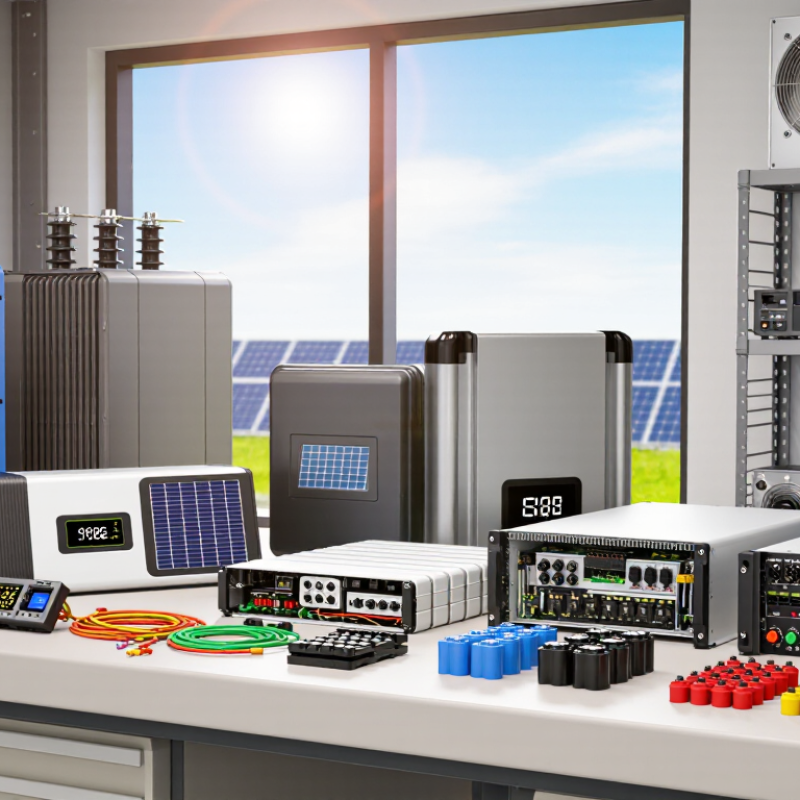
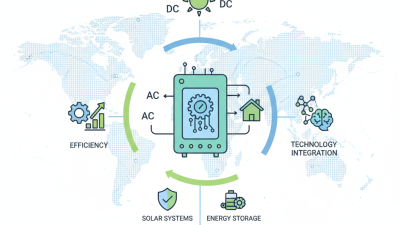
An off-grid inverter converts electricity from solar panels or batteries into usable alternating current for homes, workshops, and remote facilities. It also manages battery charging, voltage stability, and load changes when no utility grid exists. A typical system receives variable direct current, tracks the panel’s maximum power point, then produces a controlled 230-volt or 120-volt output.
Its control system matters most. When a refrigerator starts, the inverter must deliver a short surge without collapsing the battery voltage. Advanced units can combine solar input, battery storage, and a backup generator through programmed priorities. Pure sine-wave models generally suit motors, medical equipment, and sensitive electronics better than modified-wave designs. However, efficiency depends on temperature, cable length, battery chemistry, and partial loading.
The World Bank’s ESMAP Off-Grid Solar Market Trends Report 2022 estimated that off-grid solar products served about 490 million people in 2021. That figure shows the scale of decentralized power, although it does not isolate inverter shipments. IRENA reported global renewable capacity exceeding 3,870 gigawatts in 2023, creating wider demand for conversion and storage equipment. A recurring field lesson is simple: oversized capacity can waste money, while undersizing causes nuisance shutdowns. It is not magic. Installers still need accurate load measurements, realistic surge calculations, ventilation, and protection against dust and moisture. Even reputable specifications can mislead when testing conditions differ from a hot, remote installation.
| Type of Off-Grid Inverter | How It Works | Typical Battery Input | Typical Output | Typical Efficiency | Main Advantages | Common Applications |
|---|---|---|---|---|---|---|
| 1. Pure Sine Wave Inverter | Uses high-frequency switching and filtering to convert battery DC into a smooth AC waveform similar to utility electricity. | 12 V, 24 V, 36 V or 48 V DC | 110–120 V or 220–240 V AC; 50/60 Hz | 85–95% | Compatible with motors, pumps, refrigerators, computers and sensitive electronics. | Homes, cabins, medical equipment and telecommunications systems. |
| 2. Modified Sine Wave Inverter | Creates a stepped AC waveform using switched voltage levels rather than a smooth sine wave. | 12 V or 24 V DC; 48 V models also exist | 110–120 V or 220–240 V AC; 50/60 Hz | 75–90% | Lower purchase cost and simple construction. | Basic lighting, heating elements, chargers and non-sensitive appliances. |
| 3. Low-Frequency Transformer Inverter | Employs a heavy 50/60 Hz transformer to provide galvanic isolation and high surge capability. | 12–48 V DC | 110–120 V or 220–240 V AC | 80–93% | Strong motor-starting performance, electrical isolation and robust overload tolerance. | Water pumps, compressors, workshops and agricultural equipment. |
| 4. High-Frequency Transformerless Inverter | Uses high-frequency semiconductor switching and electronic conversion without a large line-frequency transformer. | 24 V or 48 V DC is common | 110–120 V or 220–240 V AC | 90–97% | Lightweight, compact and generally efficient at rated load. | Portable power systems, residential installations and mobile applications. |
| 5. Solar Off-Grid Inverter | Converts battery DC to AC and works with a separate solar charge controller to manage photovoltaic charging. | 12–48 V DC battery banks | Single-phase AC, commonly 1–10 kW | 85–95% | Modular design and flexible solar-controller selection. | Remote homes, cabins, small farms and standalone solar systems. |
| 6. Off-Grid Inverter with MPPT Charger | An integrated maximum power point tracker continually adjusts the PV operating voltage to extract more available solar power. | 12–48 V DC; higher-voltage battery systems are available | 1–15 kW AC, depending on configuration | 90–98% PV-to-battery tracking; 85–95% DC-to-AC | Better energy harvest than PWM charging, especially with variable weather and higher PV voltages. | Residential solar-plus-storage and systems with limited roof or land area. |
| 7. Off-Grid Inverter with PWM Charger | A pulse-width modulation controller connects the PV array to the battery at approximately the battery voltage and regulates charging pulses. | 12 V, 24 V or 48 V DC | Typically 300 W–5 kW AC | 80–95% overall system efficiency | Affordable, simple and suitable for smaller systems with well-matched PV arrays. | Small lighting systems, security installations and basic rural electrification. |
| 8. Single-Phase Off-Grid Inverter | Generates one AC voltage waveform for standard single-phase loads and can often support automatic battery charging. | 12–48 V DC or high-voltage battery input | 110–120 V or 220–240 V AC; usually 0.5–15 kW | 88–97% | Straightforward installation and broad compatibility with household loads. | Homes, small offices, shops, boats and remote facilities. |
| 9. Split-Phase Off-Grid Inverter | Produces two 120 V AC legs that are 180 degrees apart, allowing 120 V and 240 V loads to operate from one system. | 24–48 V DC is common | 120/240 V AC; typically 3–12 kW per unit | 88–96% | Supports high-voltage residential appliances such as well pumps and electric ranges. | North American-style homes, farms and workshops. |
| 10. Three-Phase Off-Grid Inverter | Uses three synchronized AC waveforms separated by 120 degrees to supply balanced three-phase loads. | 48 V DC or high-voltage battery input | 208–240 V or 380–415 V AC; approximately 5–100 kW+ | 90–98% | Efficient operation of industrial motors and large balanced loads. | Factories, irrigation systems, commercial buildings and microgrids. |
| Note: Voltage, power and efficiency figures are typical industry ranges for comparison. Actual performance depends on load level, ambient temperature, battery chemistry, cable losses, waveform design, solar conditions and local electrical standards. | ||||||