Top 10 Power Inverter DC AC Options for Global Buyers?
The increasing reliance on portable power solutions has driven the demand for Power Inverter DC AC systems globally. According to a recent industry report, the power inverter market is projected to reach USD 3.7 billion by 2025, with a compound annual growth rate (CAGR) of 5.3%. This growth is fueled by the surge in renewable energy use and the rising number of electric vehicles.
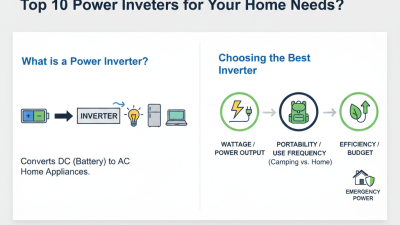
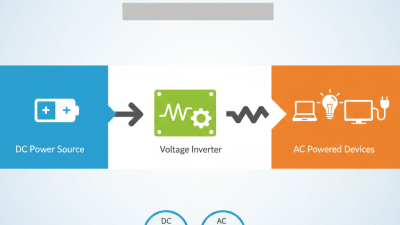
Power inverters convert DC power from batteries or solar panels into AC power for homes and appliances. As more consumers seek energy independence, choosing the right inverter becomes essential. However, not all inverters are created equal. Many buyers are overwhelmed with options, leading to potential regret in their purchasing decisions. This article addresses the top 10 options in today’s market, factoring in performance, reliability, and user experience.
Evaluating these products requires a keen understanding of specifications and applications. The right Power Inverter DC AC can enhance efficiency and provide a stable power source. Yet, this task is daunting, with many brands promising superior performance but failing to deliver. Insights from industry experts and user reviews will guide global buyers in making informed decisions.

Top Features to Consider When Choosing a Power Inverter
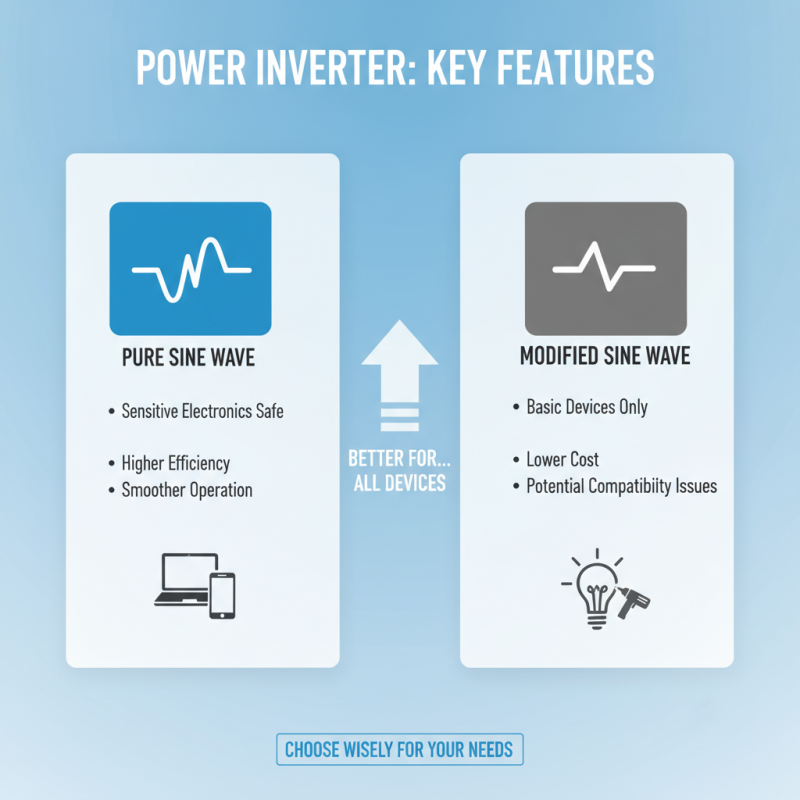
When selecting a power inverter, several key features deserve your attention. The inverter type—modified sine wave or pure sine wave—affects performance. Pure sine wave inverters are often more efficient and safe for sensitive electronics. Modified sine wave inverters may work for basic devices but could cause issues for higher-end gadgets.
Power rating is another critical factor. It’s vital to ensure the inverter can handle your devices' combined wattage. Check the surge capacity as well since appliances may require more energy at startup. Consider the inverter's size and weight too, especially if you plan to move it around frequently. It’s common to overlook how heavy an inverter can be. Always measure your space before making a purchase.
**Tip:** Always opt for inverters with built-in protection features. These include overload, over-voltage, and over-temperature protections. Also, read user reviews to gauge reliability. Remember, a good warranty can indicate a manufacturer’s confidence in their product. If a device fails quickly, it’s worth reflecting on your decision-making process.
Types of Power Inverters: Modified Sine Wave vs. Pure Sine Wave
When choosing a power inverter, understanding the differences between modified sine wave and pure sine wave inverters is crucial. Modified sine wave inverters are generally less expensive. They work well for simple devices but can cause issues with sensitive electronics. Pure sine wave inverters produce a cleaner, smoother power. They’re better suited for sensitive devices, including medical equipment and high-end audio systems. A report by NPD Group indicates that pure sine wave inverters account for a significant portion of the market growth due to their versatility.
Tips: Consider your devices. If they include motors or sensitive electronics, opt for pure sine wave.
While modified sine wave inverters can be appealing for budget-conscious buyers, they may lead to inefficiencies. Devices might not operate optimally, and heating issues can arise. A study from the Electric Power Research Institute found that using the wrong inverter type led to increased energy consumption in 30% of cases.
Tips: Check device specifications before purchasing an inverter. Compatibility matters more than price alone.
Comparison of Modified Sine Wave vs. Pure Sine Wave Inverters
This chart compares the efficiency, noise level, and cost of Modified Sine Wave and Pure Sine Wave inverters, showcasing the advantages and disadvantages of each type.
Leading Brands and Models in the Global Power Inverter Market
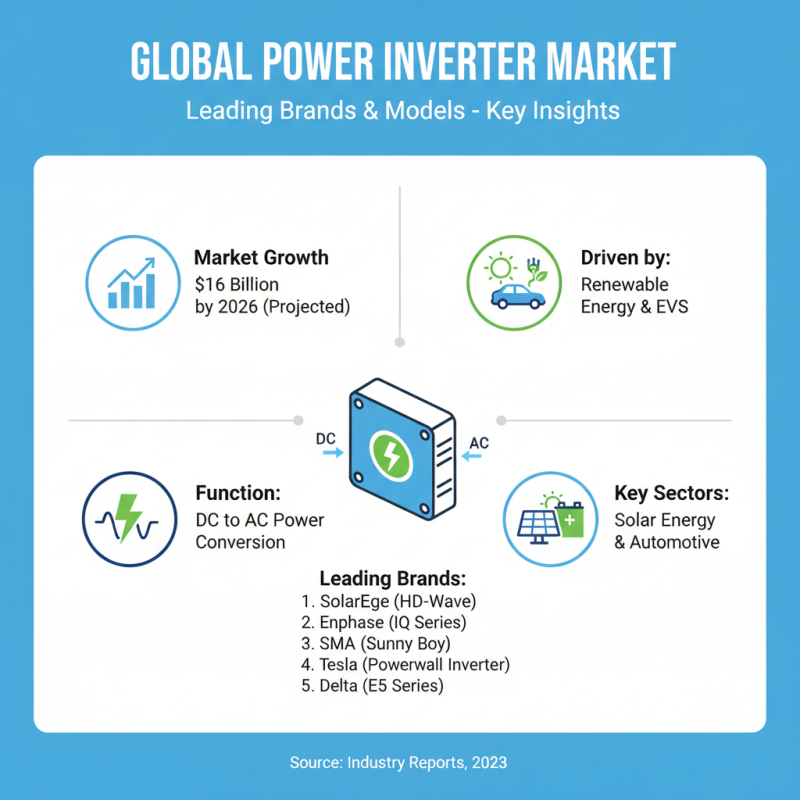
The global power inverter market has seen significant growth in recent years. According to industry reports, this market is expected to reach approximately $16 billion by 2026. The rise in renewable energy usage and electric vehicles heavily influences this trend. Power inverters are essential for transforming DC to AC power in a variety of applications. Key sectors include solar energy and automotive solutions.
Leading brands dominate the market with various models. These options cater to different needs, from small portable inverters to large-scale systems. Notably, the demand for high-efficiency inverters is rising. Industry data suggests that an efficiency rate above 90% is now a common expectation among consumers. Many buyers seek products with advanced features like remote monitoring and smart technology. However, there remains a gap in quality across brands. Some low-cost models may underperform or lack durability.
Consumer feedback highlights the importance of reliability. Many users have reported issues with cheaper models failing prematurely. As a result, buyers are encouraged to research thoroughly. Trusted reviews and certifications can guide informed purchasing decisions. Identifying a suitable power inverter requires careful consideration of specifications and real-world performance. This process can reduce the risk of investment in subpar products.
Applications of Power Inverters in Everyday Life and Industry
Power inverters play a crucial role in our everyday lives and industries. These devices convert DC power from sources like batteries into AC power for household appliances. According to a recent market report, the global power inverter market is expected to grow at a CAGR of 10% through 2027. This growth reflects the increasing reliance on renewable energy sources, such as solar and wind, which require efficient power conversion.
In the residential realm, power inverters enable the use of solar energy. Homeowners can power their gadgets and appliances directly from solar panels. This shift can lead to energy savings of up to 40%. However, not all inverters offer the same efficiency, and it's vital for users to select the right type based on their energy needs.
Businesses also utilize inverters for uninterrupted power supply. Industries like telecommunications depend on inverters to maintain network reliability. A loss of power for just a few minutes can lead to significant losses.
Yet, there are challenges involved. Some inverters generate heat, requiring proper ventilation to function optimally. Additionally, novice users may find it difficult to select an inverter that meets their specific applications. Consulting with professionals is often essential to avoid costly mistakes. As the demand for inverters rises, future developments must address these issues for better efficiency and reliability.
Tips for Ensuring Safety and Efficiency in Power Inverter Use
Power inverters transform DC to AC power, enabling you to use household appliances and enjoy modern conveniences while on the road or during outages. However, safety and efficiency are critical to ensure reliable operation.
One vital tip is to choose the right size. An underpowered inverter cannot handle your devices, leading to overheating and potential failure. Ensure the inverter's wattage exceeds the combined wattage of your appliances, taking into account starting watts, which can be significantly higher than running watts.
Another essential consideration is ventilation. Overheating is a leading cause of inverter failures. Ensure your inverter has adequate airflow and is not placed in enclosed spaces. Regularly check for dust accumulation, which can obstruct airflow and lead to malfunctions. Staying alert to these details can enhance both safety and performance.