Top 10 Power Inverter DC AC Solutions for Global Buyers?
In today's fast-paced world, the demand for energy solutions is at an all-time high. Power inverters play a crucial role in converting DC power to AC power, allowing users to operate appliances efficiently. Many buyers face challenges in selecting the right Power Inverter DC AC device that fits their specific needs.
When searching for an inverter, buyers often overlook key technical specifications. Understanding wattage, input voltage, and efficiency ratings is essential. Knowledgeable consumers can make better decisions. However, not everyone has the expertise. Many feel overwhelmed by the variety of options available in the market.
This guide will explore the top ten Power Inverter DC AC solutions for diverse buyers. Each option will be examined for its features, reliability, and overall performance. With the right information, even those less familiar with technology can find suitable solutions for their energy needs. Emphasizing practicality, some products may demand a deeper understanding to maximize their benefits.
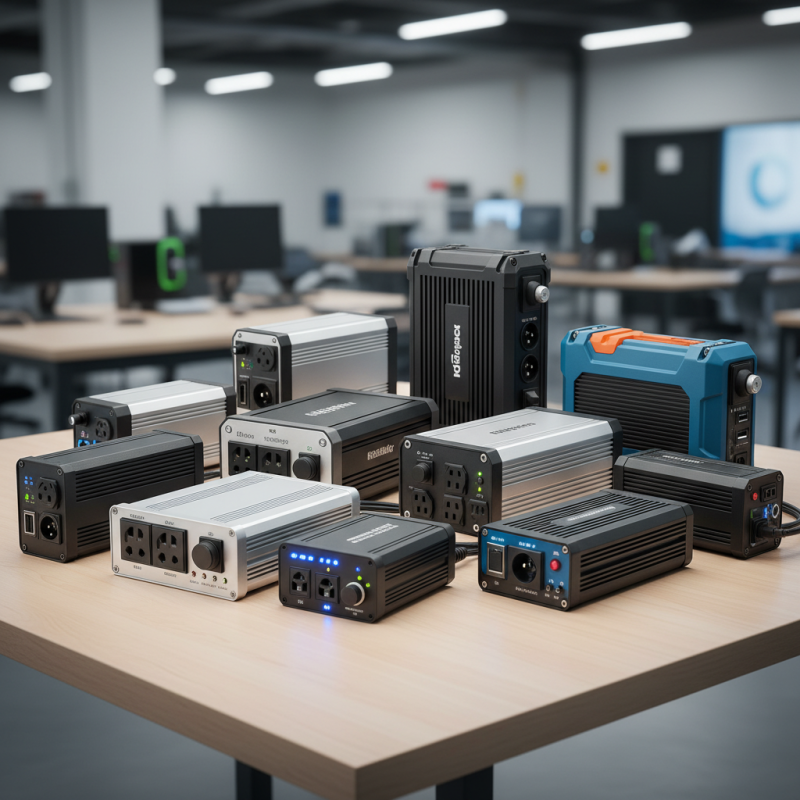
Top 10 Power Inverters: Understanding DC to AC Conversion Efficiency
Power inverters play a crucial role in converting DC to AC power efficiently. Understanding their efficiency ratings helps make informed purchasing decisions. Many factors influence this efficiency, including inverter design, load conditions, and input voltage range. It’s vital to choose an inverter that suits your specific power needs, especially for devices that require stable output.
When evaluating power inverters, consider their maximum efficiency. This figure indicates how much input DC power gets converted to output AC power without wasting energy. Higher efficiency ratings often mean better long-term savings and lower electricity bills.
Tips:
- Check for built-in protections against overload and overheating.
- Ensure the inverter's capacity exceeds your total wattage requirements.
- Research user reviews to gauge reliability.
Remember, efficiency isn’t everything. Reflect on your actual energy needs and usage patterns. Sometimes, a lower-rated inverter might be the better choice for specific applications, especially in smaller systems. Focus on balance between
cost, efficiency, and the actual workload the inverter must handle.
Key Specifications for Selecting Power Inverters: Wattage and Surge Rating
Selecting the right power inverter involves understanding key specifications. Two critical factors to consider are wattage and surge rating. Wattage indicates how much power an inverter can continuously provide. The general guideline states that you should choose an inverter with a wattage rating higher than your devices' cumulative power needs.
Surge rating is equally important. It reflects how much power an inverter can deliver for short bursts, usually during device start-up. Many devices, like refrigerators and power tools, require larger initial currents. Reports suggest that surge ratings could be 2 to 3 times the device's operational wattage in some cases. This ensures your inverter can handle unexpected power spikes, enhancing its overall reliability.
When assessing these specifications, buyers must analyze their power demands realistically. Not every power inverter performs well under load. A less reliable model might struggle with frequent surges, leading to device malfunctions. Striking the right balance between wattage and surge rating is crucial for a smooth and uninterrupted experience.
Market Trends: Global Demand for Power Inverters in Renewable Energy
The global demand for power inverters in renewable energy is on the rise. As more countries invest in clean energy, the need for efficient DC to AC conversion becomes critical. Power inverters enable solar panels and wind turbines to deliver usable electricity. With technological advancements, these devices are more efficient than ever before.
Market trends show a growing preference for innovative inverter solutions. Many buyers look for inverters that offer durability and versatility. Some regions experience a surge in demand due to government incentives for renewable projects. However, this growth also highlights the challenges faced by manufacturers. Competition often leads to compromises on quality, which can affect long-term reliability.
Investing in the right inverter technology is crucial. Consumers must weigh performance against costs. While cheaper options may seem attractive, they can lead to higher maintenance expenses later. Buyers should prioritize inverters that come with robust warranties and proven track records. The shift towards renewable energy is accompanied by an increasing need for reliable products. It’s a dynamic landscape that requires careful consideration as the market evolves.
Comparative Analysis of 12V vs. 24V Power Inverters: Pros and Cons
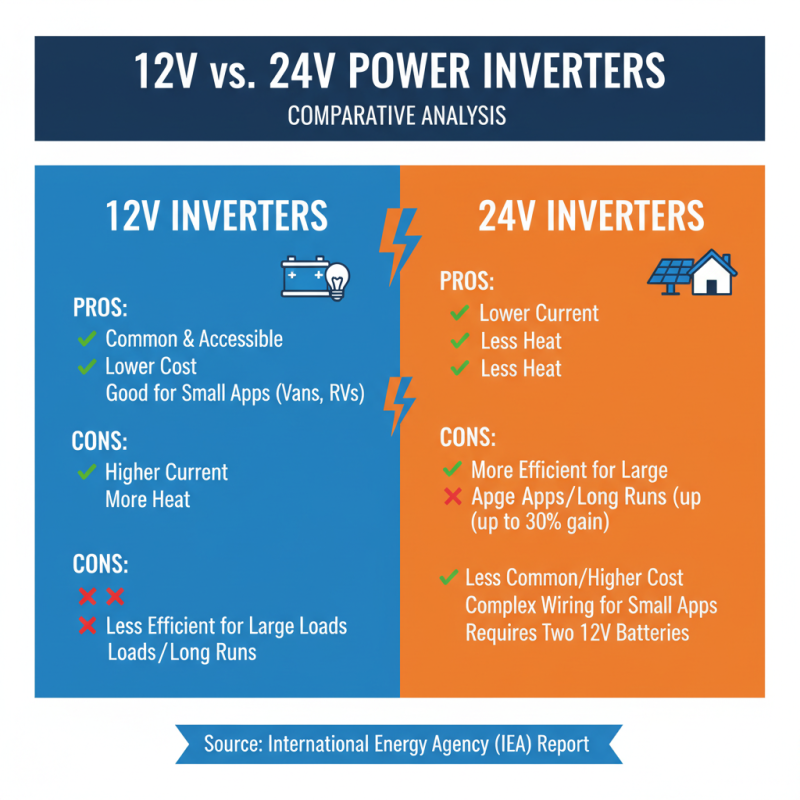
When choosing between 12V and 24V power inverters, understanding their pros and cons is crucial. A report from the International Energy Agency (IEA) notes that higher voltage systems like 24V can be more efficient for larger applications, reducing energy loss during conversion. For instance, a 24V inverter typically has lower current, which results in less heat generation. This feature can be beneficial for lengthier cable runs, allowing up to a 30% efficiency improvement.
On the flip side, 12V inverters are popular in smaller setups, catering to typical automotive or RV uses. Their widespread availability and lower upfront costs make them attractive for many buyers. However, they can struggle under heavy loads, potentially leading to reduced lifespan and performance issues. Data indicates that users installing both types should consider inverter capacity and application demands carefully.
Tip: Always match your inverter to the devices you plan to power. Oversizing or undersizing can lead to inefficiencies. Small changes in wire gauge can make a significant difference in performance.
Installation of a 12V system may seem simpler, yet users might overlook the importance of battery quality. Opting for budget batteries can compromise overall reliability. Investing in robust batteries can enhance efficiency and lifespan.
Safety Features to Consider in Power Inverter Technology: Protection Standards
When choosing a power inverter, safety features play a crucial role. With the rise of portable technology, the demand for robust protection standards has increased significantly. According to industry reports, over 30% of inverter failures are linked to inadequate safety mechanisms. Buyers must ensure their devices come with essential safety features, including short-circuit protection, over-voltage protection, and thermal shutdown. These specifications help prevent potential damage and provide users peace of mind.
Tips: Always check for third-party certifications before purchasing an inverter. This adds an extra layer of security for your investment. Furthermore, consider inverters that offer user-friendly interfaces for monitoring safety warnings.
Another area for reflection is the importance of inverter durability. A study found that inverters with improved heat dissipation capabilities last, on average, 25% longer than less efficient designs. While many claim high efficiency, not all meet industry standards. Take time to research product reviews and performance reports. Real user experiences can highlight shortcomings that specifications might overlook. Prioritizing safety features and durability ensures a reliable choice in the long run.