A Power Switch can fail without making any dramatic sound. Sometimes the light stays dark, the appliance remains silent, or the switch feels unusually loose. These clues may point to a worn contact, a tripped circuit breaker, a damaged cord, or a deeper electrical fault. Identifying the cause requires patience, not guesswork.
In home maintenance, I have seen people replace a switch when the real problem was a disconnected wire or overloaded circuit. That mistake wastes money and can create a serious shock or fire risk. Before touching anything, turn off the circuit breaker and confirm that power is absent with a properly rated voltage tester. Never rely only on a dark indicator light.
This guide explains practical checks for a non-working Power Switch, from examining the outlet and breaker to noticing heat marks, buzzing, burning smells, or loose connections. A simple test may reveal the problem. It may not.
Some faults are hidden.
A multimeter can help experienced users check continuity, but incorrect testing can be dangerous. Stop immediately if the switch is hot, cracked, sparking, or connected to unfamiliar wiring. A licensed electrician should inspect those conditions and older electrical systems.
The goal is not merely to make the switch work again. Reliable repairs should also protect the circuit, the appliance, and everyone nearby. Small details matter, especially when a switch fails suddenly.
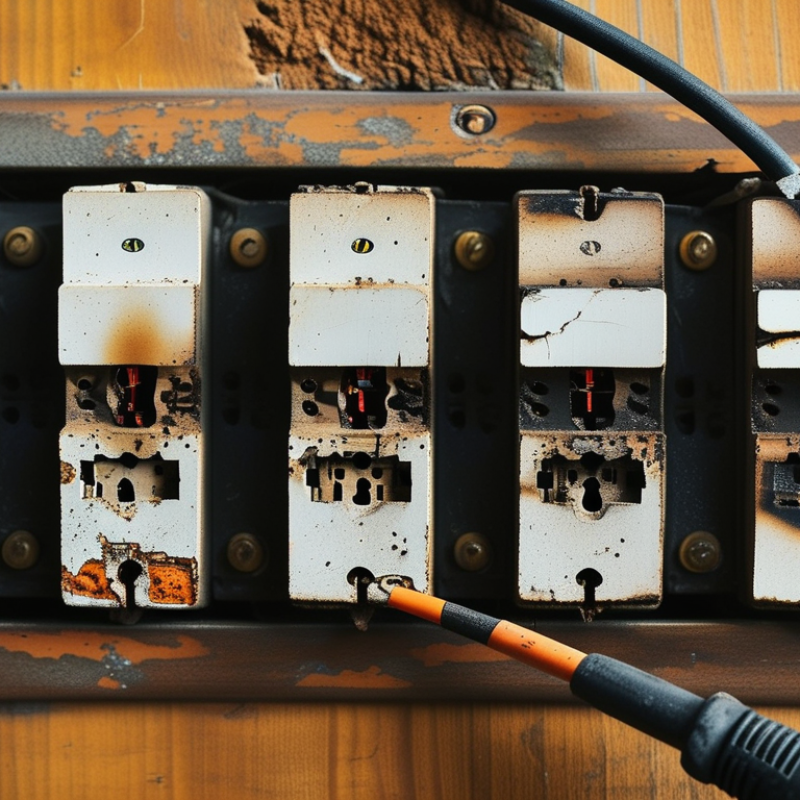
Common signs that your power switch is failing often appear before it stops completely. The switch may feel loose, stick halfway, or need repeated pressing. Sometimes the light flickers when you touch the plate. That is not normal. A faint buzzing sound can also indicate a poor connection behind the wall. Notice the details.
Heat is another warning sign. Turn the power off and allow the switch to cool before inspecting it visually. A warm cover, darkened plastic, or a sharp burning smell needs prompt attention from a qualified electrician. Small sparks may occur inside some switches, but visible arcing, smoke, or crackling should never be ignored. Do not keep testing it.
Intermittent operation can be especially misleading. The switch may work in the morning but fail after several uses, suggesting worn contacts or a loose terminal. In routine electrical inspections, technicians often find that homeowners blame the bulb first. That assumption is understandable, but it can delay proper diagnosis. A tripped breaker, damaged wiring, or a faulty connected fixture may create similar symptoms. Avoid removing the cover unless you are trained, because exposed terminals can remain dangerous even when the switch appears off.

A failed power switch does not always mean the switch itself is defective. Start by checking the symptom. A completely dead switch may indicate a tripped breaker, a loose wire, or no incoming power. If the switch feels hot, smells burnt, or shows discoloration, stop using it immediately. That suggests overheating or a damaged connection.
An intermittent switch often points to worn internal contacts. It may work when pressed firmly, then fail again. A buzzing sound can indicate arcing, which requires professional inspection.
NFPA reports that electrical distribution and lighting equipment caused an estimated 26,100 U.S. home fires annually from 2016 to 2020. Those fires caused about 420 civilian deaths and $1.1 billion in property damage. The numbers are serious.
A switch that trips the breaker may involve overload, short-circuiting, or a faulty connected appliance. Turn off power before visual inspection. Do not open an energized switch box. A qualified electrician can test voltage, continuity, and grounding with suitable instruments.
In my experience, people often replace the switch too quickly. I have made that assumption myself. The real fault was upstream, hidden behind a loose terminal. Also, a switch can feel normal and still fail electrically. That is why careful testing matters more than appearance.
A silent switch does not always mean the switch has failed. Start with the power source. Confirm the device is plugged in firmly and the outlet powers another appliance. Check for a tripped breaker or residual-current protection device. Reset it only once. If it trips again, stop testing.
Look closely at the cord, plug, and switch area. Frayed insulation, dark marks, loose plugs, or a burning smell require immediate disconnection. Do not touch exposed wires. A loose terminal can interrupt power, but opening an electrical enclosure may expose dangerous voltage. I have seen rushed checks miss a partly inserted plug. Small details matter.
If the outlet works, inspect accessible connections without removing covers. The power cord should enter cleanly, with no sharp bends or strain. A trained person can use a suitable multimeter to test continuity after disconnecting power completely. Never measure live voltage unless properly qualified and equipped. Test the meter first, and verify the circuit is de-energized.
Some switches fail mechanically. They may feel loose, stick, or click without controlling the equipment. However, a normal click does not prove safe operation. Moisture, heat, and repeated overloads can damage internal contacts. When the cause remains uncertain, record what you checked and contact a licensed electrician. Guessing can create a larger fault.
Why Is My Power Switch Not Working?
How to Test or Replace a Faulty Power Switch
A dead power switch may have a simple cause: loose wiring, worn contacts, or a tripped breaker. Turn off the circuit breaker and unplug the appliance before inspecting anything. Never test exposed terminals while power is connected. That shortcut can cause severe injury.
Remove the switch cover and check for dark marks, melted plastic, loose screws, or a burning smell. Take a clear photo of the wire positions before disconnecting them. Set a multimeter to continuity mode, then touch one probe to each switch terminal. With the switch off, the meter should show no continuity. With it on, it should show near-zero resistance. If the reading stays open, changes randomly, or rises sharply, the switch is likely faulty.
Match the replacement switch by voltage, current rating, terminal layout, and physical size. A similar-looking part may still be unsafe. Move one wire at a time, tightening each terminal firmly without crushing the conductor. I once focused on the switch and overlooked a loose neutral connection, so inspect the surrounding wiring carefully. If insulation is brittle, terminals are scorched, or the circuit involves household mains, stop and contact a qualified electrician. A small testing error is not worth risking a fire or electric shock.
| Symptom | Likely Cause | Safe Test or Observation | Expected Result | Recommended Action |
|---|---|---|---|---|
| No power and no indicator light | Disconnected power cord, tripped circuit protection, blown fuse, or failed switch | Check the outlet with a known-working device. Inspect the cord and check the fuse only after disconnecting power. | The outlet supplies power, the cord is intact, and the fuse has continuity. | Restore the supply, replace a fuse only with the same type and rating, or continue testing the switch. |
| Switch feels loose, stiff, cracked, or does not click | Worn contacts, broken actuator, or mechanical damage | Disconnect the equipment from power and operate the switch while checking for abnormal movement. | A serviceable switch normally has a firm, consistent action and does not wobble excessively. | Replace the switch if the housing or actuator is damaged. Do not force the control. |
| Power works intermittently when the switch is moved | Dirty or worn internal contacts, loose terminal, or fractured wire | With power disconnected, inspect terminals and use a continuity test while gently operating the switch. | Continuity should change cleanly and remain stable in each switch position. | Tighten an approved terminal if appropriate; replace the switch if continuity fluctuates. |
| Switch appears on, but the load does not operate | Open switch contacts, disconnected output wire, failed fuse, or fault in the load | Unplug the device, identify the switch terminals, and test continuity between the common and switched terminals. | The correct terminal pair should show low resistance when switched on and open circuit when switched off. | Replace the switch if it does not change state correctly; investigate downstream components if it tests normally. |
| Switch is warm, discolored, melted, or smells burnt | Overloaded switch, loose connection, arcing, or undersized component | Disconnect power immediately and inspect for heat damage, carbon deposits, or melted insulation. | A correctly rated switch should not show heat damage during normal operation. | Stop using the equipment. Replace damaged wiring or components with correctly rated parts and find the cause of overheating. |
| Continuity test gives no change in either position | Incorrect terminals selected, failed switch, or poor meter contact | Confirm the meter is in continuity or resistance mode, touch the probes together, and test the switch terminal pairs. | The meter should beep or show near-zero resistance only across the closed contact pair. | Retest the correct terminals. If the switch remains open in every position, replace it. |
| Continuity remains present in both positions | Contacts stuck closed, incorrect terminal identification, or a switch with multiple circuits | Compare each terminal combination with the switch wiring diagram or markings, with power disconnected. | Only the intended contact path should close in the corresponding switch position. | Replace the switch if the intended contacts stay closed or do not follow the specified switching pattern. |
| Replacement switch does not fit or operate correctly | Wrong pole/throw configuration, terminal arrangement, physical size, or electrical rating | Compare the original switch markings, terminal layout, mounting dimensions, voltage, current, and load type. | The replacement matches the original function, connection layout, physical fit, and electrical ratings. | Use a compatible switch with equal or greater required ratings and the same functional configuration. |
A dead power switch may reflect a tripped breaker, loose connection, worn mechanism, or damaged wiring. First, stop using it. Do not remove the cover or keep resetting the breaker. A switch that feels hot, buzzes, smells burnt, sparks, or causes flickering needs prompt professional attention. Turn off the circuit breaker only if you can identify it safely, then keep people away from the switch.
A qualified electrician should inspect the circuit when the switch remains dead, controls several outlets, or fails after a recent repair. They can verify voltage, test connections, and check for overheating without relying on guesswork. That matters because the visible switch may not be the real fault. A loose terminal could sit inside the wall. The easy assumption is often wrong.
Electrical Safety Facts
The National Fire Protection Association’s Home Fires Involving Electrical Distribution and Lighting Equipment report estimates that these systems caused about 32,620 U.S. home fires annually from 2015 to 2019. The fires led to roughly 470 civilian deaths, 1,100 injuries, and 1.3 billion dollars in direct property damage each year. The U.S. Consumer Product Safety Commission also identifies damaged wiring and overloaded circuits as continuing residential fire hazards. These figures do not make every faulty switch an emergency, but they support cautious decisions. If you lack electrical training, contact a licensed professional rather than experimenting. Even experienced homeowners can miss a hidden energized conductor.