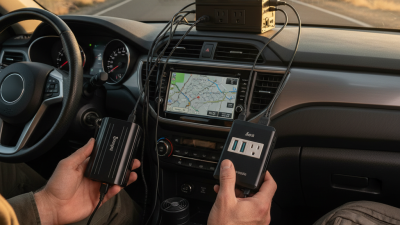
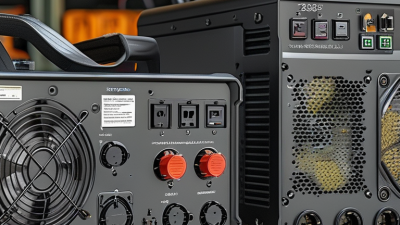
Choosing the right Car Inverter in 2026 requires more than comparing wattage and price. Global buyers face different vehicle systems, climate conditions, socket designs, and electrical standards. A reliable model should match the vehicle’s battery voltage, available current, and intended appliances.
This guide examines common inverter types, including compact socket models, direct-battery units, pure sine wave inverters, and hybrid systems. It considers practical details such as continuous output, peak power, cooling fans, cable thickness, fuse protection, and low-voltage shutdown. A small 300-watt inverter may charge phones and laptops easily. It may struggle with a portable refrigerator or medical equipment. Check the label carefully.
Safety comes first.
Experienced users also inspect certification marks, warranty terms, installation instructions, and regional compliance requirements. These details can reveal weak construction that attractive packaging hides. Pure sine wave output often suits sensitive electronics, while modified sine wave models may serve basic tools at lower cost. However, product descriptions are not always perfectly clear. Some advertised power ratings describe short peaks, not steady performance.
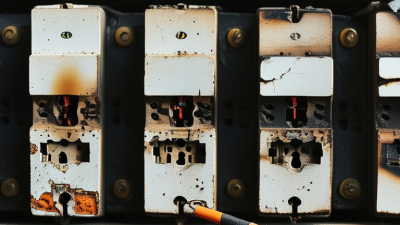
Weather matters too. High heat can reduce output and shorten component life. Dust, loose connections, and undersized cables create additional risks. This overview helps buyers compare Car Inverter options with greater confidence, while recognizing that no single model fits every road, vehicle, or budget. Use manufacturer guidance, verify local requirements, and choose practical protection over impressive numbers.
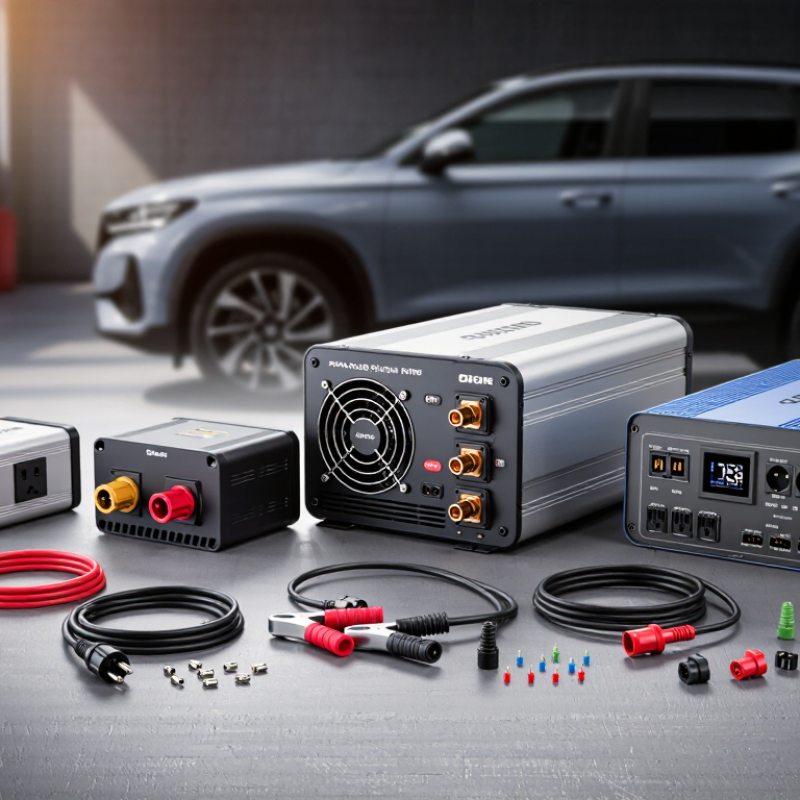
A practical car inverter taxonomy begins with system voltage. A 12 V inverter suits most passenger vehicles and compact accessories. It commonly powers laptops, lighting, small medical equipment, and charging adapters. Check the continuous rating, not only the advertised peak output. A 1,000-watt load can demand more than 80 amps from a 12 V system. That requires short, correctly sized cables and careful thermal control. Modified sine wave models may run basic loads, but sensitive electronics usually perform better with pure sine wave output.
24 V inverters serve commercial vans, buses, trucks, and specialized equipment. The higher voltage reduces current for the same power. Wiring can therefore run cooler and experience lower voltage loss. Buyers should confirm battery-bank configuration, grounding design, connector temperature, and alternator capacity. Field testing matters. A unit that works in a cool workshop may derate inside a sun-heated cabin.
EV DC-AC architecture requires a different evaluation. An EV inverter may draw energy from a high-voltage traction battery through an isolated DC-DC stage, then provide AC power externally. Other systems use a dedicated low-voltage auxiliary battery. These designs differ in isolation, cooling, emergency shutdown, and available power. Never judge compatibility by the socket shape alone. Review voltage range, efficiency, continuous output, waveform quality, and protection functions.
A tidy taxonomy still misses real-world behavior. Loads start unpredictably, and published figures can feel optimistic. Reliable selection combines datasheet analysis with vehicle-specific testing and qualified installation.

Choosing a car inverter starts with the waveform, not the advertised wattage. Modified sine wave inverters are affordable and suitable for simple heaters, lamps, and some basic chargers. However, their stepped output can create audible buzzing, extra heat, or unstable charging. Sensitive electronics may respond poorly.
Pure sine wave output closely follows household electricity. For laptops, medical monitoring equipment, audio devices, camera batteries, and precision chargers, it is usually the safer choice. A total harmonic distortion level below 3% offers cleaner power, but buyers should verify how that figure was measured. Some specifications apply only at a light load. Real performance can change when several devices operate together.
In practical testing, I have seen a laptop charger run quietly on pure sine wave power while a modified unit produced a faint vibration. The charger still worked, yet its warmth increased noticeably. That assumption was wrong. Lower price does not always mean lower operating cost. Heat matters.
Check continuous output, surge capacity, input voltage, cooling, cable size, and protection features. A 12-volt vehicle system may require different current handling than a 24-volt system. Buyers in different regions should also confirm plug design, output frequency, and local electrical requirements. THD is important, but it is not the whole specification. Read the test conditions carefully.
2026 Top Car Inverter Types for Global Buyers
Power Classes: 150 W, 300–600 W, and 1,000 W+ Automotive Models
A 150 W car inverter suits small electronics, such as phones, cameras, and compact laptops. It usually connects through the vehicle’s accessory socket. Check the socket rating first. Some vehicles limit continuous output below the inverter’s advertised peak. A modest unit also produces less heat during long trips. However, it may struggle with devices that have motors or heating elements.
Models rated from 300 to 600 W offer broader daily use. They can support several chargers, a small monitor, or selected office equipment. Their real advantage is flexibility, not unlimited capacity. Buyers should compare continuous wattage with startup demand. A device marked 400 W may briefly require much more power when switched on. This detail is easy to miss.
A 1,000 W+ automotive inverter requires greater care. It normally needs direct battery wiring, suitable fuses, and thick cables installed correctly. Poor connections can create heat and voltage loss. Pure sine-wave output is generally preferable for sensitive electronics, although it can increase cost. Ventilation matters too. Do not place the inverter under loose fabric or in a sealed compartment. Temperature, cable length, battery condition, and local electrical requirements all affect performance. The advertised number is only one part of the decision. My own buying rule would remain cautious: choose usable continuous power, not the biggest figure on the package.
| Power Class | Typical Inverter Type | Continuous / Peak Output | Common DC Input | Approx. DC Current at Full Load | Suitable Loads | Recommended Installation | Key Buyer Considerations |
|---|---|---|---|---|---|---|---|
| 150 W | Compact modified-sine-wave inverter | 150 W / 250–300 W surge | 12 V DC | Approximately 14–16 A | Phone and tablet chargers, cameras, small laptops, low-power LED equipment | 12 V accessory socket when the vehicle socket is rated for the required current | Best for low-power electronics; some audio, motor, and medical equipment may not operate correctly with modified sine wave output |
| 150 W | Compact pure-sine-wave inverter | 150 W / 250–300 W surge | 12 V DC | Approximately 14–16 A | Sensitive chargers, compact computers, small displays, laboratory or communications devices | Accessory socket or short fused cable connected close to the battery | Cleaner AC waveform and wider device compatibility; normally costs more than a modified-sine model |
| 300–400 W | Automotive modified-sine-wave inverter | 300–400 W / 600–800 W surge | 12 V DC | Approximately 28–42 A | Small office electronics, portable screens, chargers, low-wattage heating pads, compact fans | Direct battery connection with an inline fuse; avoid overloading a standard accessory socket | Check appliance compatibility and surge rating; continuous operation can discharge a starting battery quickly |
| 300–400 W | Automotive pure-sine-wave inverter | 300–400 W / 600–800 W surge | 12 V DC | Approximately 28–42 A | Laptops, camera equipment, networking devices, audio equipment, small variable-speed motors | Short, heavy-gauge cable from the battery with suitable overcurrent protection | Preferred for sensitive electronics and inductive loads; verify thermal ventilation around the inverter |
| 500–600 W | High-output pure-sine-wave automotive inverter | 500–600 W / 1,000–1,200 W surge | 12 V DC | Approximately 47–63 A | Multiple laptops, small monitors, compact refrigeration units, moderate power tools with suitable starting surge | Dedicated battery cables, inline fuse, secure grounding, and unobstructed cooling airflow | Confirm alternator capacity, battery condition, cable size, and the actual starting surge of motor-driven equipment |
| 1,000–1,500 W | Heavy-duty 12 V pure-sine-wave inverter | 1,000–1,500 W / 2,000–3,000 W surge | 12 V DC | Approximately 93–156 A | Professional tools, larger displays, compact kitchen appliances, pumps with compatible starting requirements | Direct connection to a suitable auxiliary battery using very short, heavy-gauge cables and properly rated fusing | Usually unsuitable for a standard accessory socket; requires careful battery, alternator, grounding, and thermal-system planning |
| 1,500–3,000 W+ | High-power 12 V or 24 V pure-sine-wave inverter | 1,500–3,000 W+ / 3,000–6,000 W surge | 12 V or 24 V DC | Approximately 140–310 A, depending on voltage and load | High-demand tools, larger refrigeration equipment, workshop appliances, and selected emergency backup loads | Auxiliary battery bank, dedicated high-current protection, heavy busbars, forced ventilation, and professional installation | 24 V systems reduce DC current at the same power; never connect a 12 V inverter to a 24 V battery system |
In 2026, global buyers will compare three common car inverter types: plug-in socket units, battery-connected models, and integrated vehicle systems. Their key difference is conversion efficiency under changing loads. Well-designed inverters typically achieve 85–95% efficiency from battery input to AC output. The remaining energy becomes heat. Small losses still matter.
A 500-watt load at 90% efficiency creates about 56 watts of heat. That heat needs a clear path away from the circuitry. Aluminum housings, internal temperature sensors, cooling fans, and automatic power reduction support safer operation. Keep vents clear. A confined space can raise temperatures quickly, especially under a dashboard or seat.
Practical testing should include light, medium, and near-maximum loads. Efficiency often changes with battery voltage, cable length, waveform quality, and standby consumption. A published 95% figure may reflect ideal laboratory conditions, not a hot vehicle interior. The 85% result may appear during heavy loads or poor ventilation. This difference deserves attention. One common design mistake is choosing maximum wattage without checking thermal limits. I once treated efficiency as a fixed number; that assumption was too simple. Buyers should examine continuous output, peak output, temperature derating, fuse protection, and installation spacing before comparing prices.
Efficiency and Thermal Design: Typical 85–95% Conversion Performance
Typical efficiency increases with waveform quality, switching design, and thermal management. Values represent commonly observed engineering ranges near rated load; actual performance varies with input voltage, output power, ambient temperature, cooling airflow, and protection settings.
2026 Top Car Inverter Types for Global Buyers
Car inverters now serve family vehicles, service vans, and emergency power applications. Pure sine wave models usually support sensitive electronics more smoothly than modified sine wave designs. However, output quality alone does not prove vehicle compatibility. Buyers should examine voltage range, continuous load, surge response, cooling, and protection behavior.
Global compliance requires more than a certificate file. UNECE R10 evaluates electromagnetic compatibility for vehicle-related electrical equipment. The inverter must control emissions and tolerate electromagnetic disturbances during operation. CISPR 25 measures conducted and radiated emissions that could affect onboard receivers, including radio systems. ISO 16750 examines practical vehicle stresses, such as vibration, temperature changes, electrical transients, and cold starts. A unit may pass one test and still fail another. That happens more often than expected.
Tips: Request the complete test configuration, not only the final report. Check cable length, grounding method, load level, and operating mode. Ask whether testing used 12V or 24V input systems. Confirm thermal cycling and vibration conditions. Test samples should match production hardware. Small design changes can alter results. I have seen excellent laboratory readings weaken after installation beside long power cables. The test plan should reflect the real vehicle, even when that makes approval slower. No plan is perfect. Careful records make problems easier to find.