Leave Your Message

7 Tips for Choosing the Best Solar Inverters

Choosing among Solar Inverters can feel simple until roof shade, battery plans, and grid requirements enter the picture. The right model must fit the system, not just look impressive on a specification sheet. A string inverter may suit a clear, unshaded roof. Microinverters can offer more panel-level monitoring where shade varies. Hybrid models may make sense when battery storage is part of the plan. Small details matter: check the inverter’s continuous output, efficiency ratings, monitoring tools, warranty terms, and local service options. A strong warranty is less useful if support is difficult to reach.

Solar reliability researcher Dr. Sarah Kurtz’s work offers a useful reminder, paraphrased here: “A solar system’s performance depends on sound design, careful operation, and lasting reliability.” This is a practical lens, not a substitute for a verified product specification. Ask an installer to explain how the inverter handles your roof’s layout, expected temperatures, and future plans. Request model numbers, written performance assumptions, and a clear explanation of any trade-offs. Look closely. A quiet monitoring app cannot fix poor system sizing. And the highest efficiency figure does not automatically mean the best choice for your home. I would also question any comparison that ignores installation quality; that part is easy to overlook. The tips ahead focus on matching inverter type, capacity, features, and support to real-world needs—without pretending one model works for every roof.
7 Tips for Choosing the Best Solar Inverters

Understand Inverter Types and How They Work

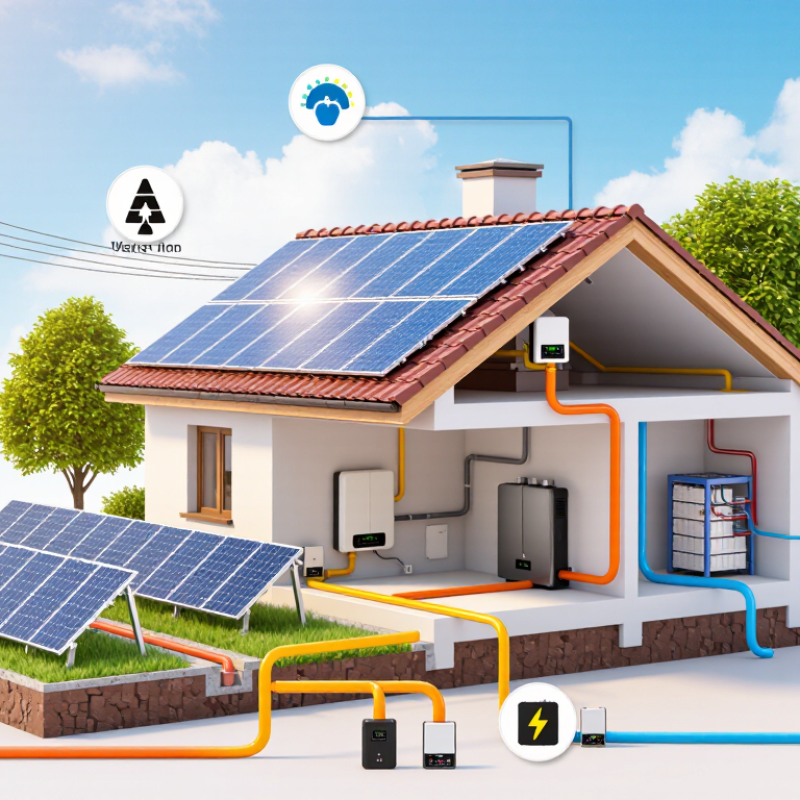
Solar panels produce direct-current (DC) electricity, while most household circuits use alternating current (AC). An inverter converts one into the other and adjusts as sunlight changes. Its type affects shade response, monitoring, and battery options—not just the equipment list. That distinction matters.

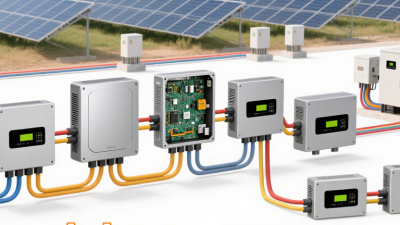
With a string inverter, several panels feed one central unit, often mounted near a utility area. If one panel is shaded, the group’s output may drop, depending on system design and added electronics. Microinverters convert power at each panel, so shade on one module is less likely to affect its neighbors. They can offer detailed panel-level monitoring, though repairs may require rooftop access. Hybrid inverters manage solar power and battery charging; backup power is not automatic and depends on system design. A battery-ready label alone proves little. Ask what will stay powered during an outage.

It is easy to focus on efficiency figures and overlook roof layout, shade at different hours, or service access. A little humility helps: no inverter type is best for every home. Compare written proposals, check compatibility with planned batteries, and have a qualified professional assess the electrical setup.

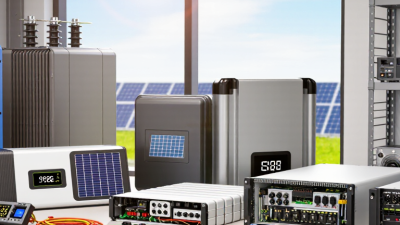
Match Inverter Capacity to Your Solar Panels and Energy Needs

Choosing inverter capacity starts with the solar array, not just your monthly electricity bill. Add the panels’ rated output in watts to find the system’s DC capacity. Then compare it with the inverter’s AC rating. A modest difference between these figures is common, but the right ratio depends on local sunlight, roof direction, and system design. Ask for the assumptions behind the proposed sizing.

An inverter that is too small may limit output during bright midday hours. This is called clipping. A slightly smaller inverter can still make sense where panels rarely reach full output, but repeated clipping may waste useful generation. Too large an inverter can add cost without improving everyday production. Check the expected output curve, not just the maximum ratings. Details matter.

Your household’s peak demand matters too. Daily energy use, measured in kilowatt-hours, shows how much energy you consume over time. It does not reveal whether several large appliances run together. List likely simultaneous loads, such as an oven, air conditioner, and water heater. For backup power, confirm which circuits the system can support and whether surge loads are included. Needs change. Leave room for realistic growth, but avoid paying for capacity you may never use. A qualified installer can verify calculations against panel specifications, site conditions, and your actual load profile.

7 Tips for Choosing the Best Solar Inverters: Match Inverter Capacity to Your Solar Panels and Energy Needs

These illustrative configurations pair each solar array’s DC capacity with an inverter’s AC rating. A DC-to-AC ratio around 1.1–1.3 is common in many designs, but the right choice depends on local conditions, shading, utility rules, and your energy needs. Ask a qualified installer to size a system for your home.

Compare Efficiency, Performance, and Monitoring Features

Solar inverter efficiency matters, but one peak percentage can hide useful differences. Compare weighted efficiency figures, which better reflect changing sunlight across a typical day. Check how each unit performs at low output, not only near its maximum rating. Small losses add up.

Match inverter capacity to the panel array and your household’s use. An undersized unit may limit output during bright, cool afternoons. A larger unit is not automatically better; it may spend more time operating below its efficient range. Review temperature specifications too, especially if equipment will sit in a hot garage or exposed outdoor location. Heat can reduce performance. So can poor airflow.

Shading deserves a realistic check. If a chimney shades one panel each morning, ask how the inverter handles uneven production across the array. Monitoring tools should show daily energy, current output, and faults in plain language. Look for historical charts and timely alerts, not just a colorful dashboard. Check whether readings update every few minutes or only once a day. That difference matters when troubleshooting. App estimates still deserve a cautious look; household consumption and weather can make simple comparisons misleading. Before deciding, compare the same system size, local conditions, and warranty terms across options. A clear specification sheet is more useful than a dramatic efficiency claim.

Evaluate Reliability, Warranty, and Installation Requirements

Reliability is more than a long service-life claim. Compare published efficiency, operating-temperature limits, and independent safety certifications. Check how output changes on a hot afternoon, especially if the inverter will sit in a garage or exposed utility area. A shaded, ventilated location can reduce heat stress, but the manual’s clearances still matter. Ask about monitoring alerts and what happens if communication drops. Small details count. A quiet system is useful, but silence alone does not prove dependable performance.

Read the warranty before comparing its headline length. Check whether coverage includes parts, labor, shipping, and replacement, or only selected components. Note exclusions for corrosion, poor ventilation, or installation outside specified conditions. A long warranty can still leave an expensive service visit uncovered. Installation requirements deserve equal attention: confirm the inverter matches the array’s electrical design, available grid connection, and mounting space. Cable routes, weather exposure, and required clearances can change labor costs. Have a qualified installer review the site and explain any assumptions in writing. It is easy to overlook a narrow wall or a hot, poorly ventilated cabinet; even a careful plan can miss one.

Balance Purchase Price with Long-Term Value and Support

Tip 1: Compare total ownership cost, not just the purchase price. Include installation labor, monitoring fees, expected service visits, and possible replacement costs. A lower quote may leave out important items. Ask installers to price the same system size and assumptions, then keep their answers in writing. The cheapest option can be sensible when its limits are clear.

Tip 2: Check warranty coverage and support details. Separate product coverage from performance guarantees, and ask whether labor is included. Find out who handles a claim and how support requests are tracked. Try asking a practical question before buying. The response can reveal more than a polished brochure. Save warranty documents and installation records where you can find them.

Tip 3: Consider how service will work several years from now. Ask whether replacement parts are readily available and whether remote troubleshooting is offered. A comparison sheet helps, but it cannot predict every outage or delay. Think about a hot afternoon when the system stops reporting data: clear support channels may be worth paying extra for. Balance that value against the price difference and your own tolerance for repairs.

7 Tips for Choosing the Best Solar Inverters — Balance Purchase Price with Long-Term Value and Support

Tip What to Compare Why It Matters Long Term Questions to Ask or Evidence to Check
1. Match the inverter to the system design Inverter type, system size, panel configuration, roof layout, and expected shading. Common options include string inverters, microinverters, and systems with DC optimizers. Different designs suit different installations. Module-level electronics can help manage panels that experience different shade or orientations, while a string design may be simpler where conditions are uniform. Does the proposed design account for roof direction, shading, panel layout, and local electrical requirements? Request the system design and the reasons for the chosen configuration.
2. Compare efficiency figures on the same basis Look for the stated efficiency rating and its test basis. For grid-connected equipment, the CEC-weighted efficiency is one standardized figure used in the United States; other markets may use different recognized ratings. Efficiency affects how much of the DC electricity from the panels is converted to usable AC electricity. A small difference should be weighed against total system cost, operating conditions, and other specifications. Are the quoted figures measured using the same rating method? Check the product datasheet and verify the model listed matches the proposal.
3. Check voltage, power, and temperature limits Maximum DC input voltage, operating voltage range, input current limits, AC output rating, and permitted operating-temperature range. The equipment must be compatible with the panel strings and site conditions. Incorrect sizing or incompatible electrical limits can affect performance and may create installation or compliance issues. Has the installer documented string sizing for the site’s expected temperature range? Do the inverter limits align with the selected panels and applicable electrical code?
4. Read the complete warranty terms Warranty duration, covered parts and labor, shipping, exclusions, claim process, and any registration or installer requirements. A headline warranty period does not necessarily cover removal, reinstallation, shipping, or labor. The actual terms determine how much a future repair or replacement could cost. Who handles a claim, what costs are excluded, and where can the full warranty document be reviewed? Get the applicable terms for the exact model in writing.
5. Evaluate monitoring and troubleshooting Monitoring functions, communication requirements, alert availability, data access, and whether troubleshooting can be done remotely. Useful monitoring can help identify production interruptions. Internet access or a communications device may be required, and monitoring features do not guarantee that faults will be resolved automatically. What connection does the monitoring system need? Who can view the data, and who responds if the system stops reporting or production falls unexpectedly?
6. Confirm battery and future-expansion compatibility Whether the system is grid-tied, hybrid, or designed for a specific storage configuration; battery compatibility; backup capability; and expansion limits. Adding storage or backup power later may require compatible equipment, extra components, changes to wiring, or a different system design. Grid-tied inverters typically shut down during a grid outage unless the system has suitable backup equipment. Which battery configurations are supported? Can the system provide backup during an outage, and what additional equipment or changes would be needed to add storage later?
7. Compare total cost and support, not just purchase price Installed price, expected maintenance, service availability, replacement logistics, installer experience, and access to technical support. A lower initial price may not represent the lowest lifetime cost if service is difficult to obtain or repair work is excluded. Support quality depends on the specific supplier, installer, and service arrangements. Who provides service after installation? What is included in the quoted price, and what are the procedures for a fault, warranty claim, or equipment replacement?